
Saving Capitalism (2017)
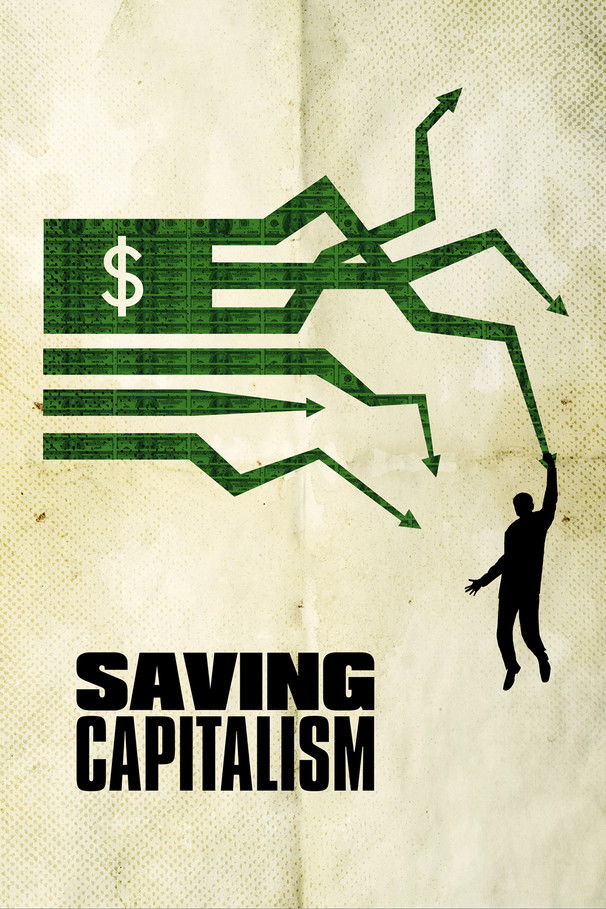
Story overview
This documentary follows former Secretary of Labor Robert Reich as he travels across America, interviewing people from diverse backgrounds to explore how the economic system has changed and who benefits from it. Through conversations with politicians, workers, and ordinary citizens, the film examines wealth inequality, corporate influence, and the future of capitalism in the United States.
Parent Guide
Educational documentary about economic systems and inequality with minimal concerning content. Best for mature children 10+ who can understand abstract concepts.
Content breakdown
No physical violence or peril depicted. Discussions focus on economic hardship and policy debates.
Some discussions of poverty and economic insecurity might be concerning to sensitive viewers, but no graphic imagery is shown.
No profanity or offensive language noted in this educational documentary.
No sexual content or nudity present.
No depiction of substance use.
Emotional moments when people discuss financial struggles, but presented in a measured, documentary style.
Parent tips
This documentary presents complex economic concepts in an accessible way, making it suitable for older children and teens interested in social issues. Parents should be prepared to discuss topics like income inequality, political lobbying, and economic fairness. The film's TV-PG rating reflects its educational nature with minimal concerning content.
Parent chat guide
Parent follow-up questions
—
- What do you think 'fair' means when sharing toys or treats?
- Have you ever seen someone help others who have less?
- Why do you think some people in the film have more money than others?
- What does 'opportunity' mean to you?
- How can people work together to make things more fair?
- What responsibilities do wealthy individuals or corporations have to society?
- How does political influence affect economic policies?
- What solutions do you think could address the inequalities shown in the film?
- How might different economic systems compare to capitalism?
🎭 Story Kernel
The film isn't about saving capitalism in the traditional sense but rather exposing how the system has been hijacked to serve the wealthy few at the expense of everyone else. Through Robert Reich's journey across America, we see how ordinary citizens—from fast-food workers to small business owners—are trapped in a rigged game where upward mobility is a myth. The driving force isn't greed but desperation, as people struggle against policies designed to concentrate wealth. Reich argues that capitalism can be redeemed only by restoring balance through political will, making this less an economic treatise and more a call to democratic action.
🎬 Visual Aesthetics
The visuals are stark and unadorned, using a documentary-style approach with handheld cameras and natural lighting to create intimacy. Scenes in corporate boardrooms are shot with cold, sterile compositions, contrasting with warm, crowded shots of community meetings. Reich's direct addresses to the camera break the fourth wall, emphasizing urgency. Symbolism emerges through recurring images of closed factories and bustling Wall Street, highlighting economic disparity without heavy-handed metaphors. The color palette leans toward muted tones, reflecting the grim reality of economic struggle.
🔍 Details & Easter Eggs
💡 Behind the Scenes
The film was directed by Jacob Kornbluth and Sari Gilman, with Robert Reich adapting his own book. It was shot on location across the U.S., including in Reich's hometown, to emphasize grassroots connections. Reich, a former U.S. Secretary of Labor, drew on personal experiences from policy debates. The production used minimal crew to maintain authenticity, with interviews conducted in real community settings rather than studios.
Where to watch
Choose region:
- Netflix
- Netflix Standard with Ads
Trailer
Trailer playback is unavailable in your region.