
Saving Giraffes: The Long Journey Home (2022)
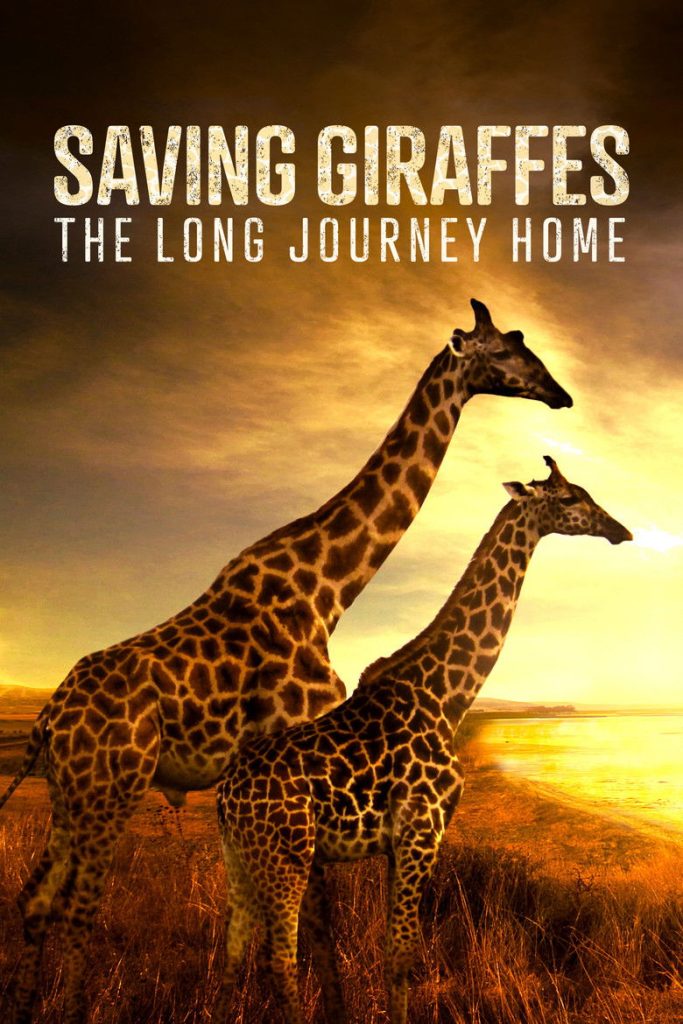
Story overview
This 2022 documentary follows conservation efforts in Kenya's Rift Valley where giraffes are being reintroduced to their natural habitat. The film shows animal rights activists, veterinarians, and community representatives working together to help a small herd of giraffes when unexpected problems arise during their transition back to the wild.
Parent Guide
Educational documentary about giraffe conservation with positive messages about environmental stewardship and community collaboration. Contains mild animal distress scenes.
Content breakdown
No human violence. Shows giraffes experiencing mild distress during transport and medical treatment. Conservationists work to resolve problems safely.
Some scenes show giraffes in mild distress or receiving veterinary care. Sensitive children might find these moments concerning, but they're presented in an educational context with positive outcomes.
No offensive language. Professional dialogue about conservation and veterinary care.
No sexual content or nudity.
No substance use shown.
Mild emotional moments when giraffes face challenges, but overall tone is educational and hopeful with positive resolutions.
Parent tips
This educational documentary focuses on wildlife conservation and community collaboration. It's appropriate for most children but contains some scenes of giraffes in distress that might upset sensitive viewers. The film shows veterinarians treating animals and conservationists solving problems, providing positive role models for environmental stewardship.
Parent chat guide
Parent follow-up questions
- What was your favorite part about the giraffes?
- How did the people help the giraffes feel better?
- What sounds do you think giraffes make?
- Why do you think giraffes needed help returning to their home?
- What different jobs did people have to help the giraffes?
- How do you think the giraffes felt during their journey?
- What challenges did the conservation team face during the reintroduction?
- Why is community involvement important in conservation projects?
- What might happen if we don't protect giraffe habitats?
- What ethical considerations arise when reintroducing animals to the wild?
- How does this documentary illustrate the balance between human development and wildlife conservation?
- What long-term strategies are needed for successful species reintroduction programs?
🎭 Story Kernel
The film's true subject isn't animal conservation but human redemption. While ostensibly tracking the perilous relocation of Rothschild's giraffes from Kenya's Longicharo Island to a mainland sanctuary, it exposes how human conflict—poaching, political instability, habitat destruction—creates the very crises requiring heroic intervention. The giraffes become silent witnesses to human folly, their survival dependent not on natural instincts but on human cooperation across tribal, national, and ideological divides. The emotional core lies in the conservationists' moral exhaustion—they're not just moving animals but carrying the weight of human failure, making each successful transport feel like a temporary victory in an endless war against our own destructive tendencies.
🎬 Visual Aesthetics
The cinematography masterfully contrasts scale and intimacy. Sweeping drone shots emphasize the giraffes' vulnerability against vast landscapes, while extreme close-ups on their eyes create unsettling interspecies connection. A desaturated color palette dominates human conflict zones, shifting to warmer tones in sanctuary sequences, visually mapping hope's geography. The most powerful visual motif involves low-angle shots of giraffes moving through human infrastructure—their necks bending under power lines, bodies crammed into custom barges—creating living metaphors of nature contorting to survive our world. Night vision sequences during dangerous transports heighten the thriller-like tension, making conservation feel like covert military operations.
🔍 Details & Easter Eggs
💡 Behind the Scenes
The production team lived alongside conservationists for eight months, with many dangerous sequences filmed by biologist-turned-cameramen who understood animal behavior intimately. The custom-built giraffe barge was designed by the same engineer who creates military transport vehicles, explaining its rugged functionality. Most poignant: several giraffes featured were named after murdered rangers, creating unspoken memorials throughout the film. The director initially planned a traditional nature documentary but shifted focus after witnessing how political negotiations proved more dramatic than the actual animal rescues.
Where to watch
Choose region:
- Disney Plus