
Saving Pelican 895 (2011)
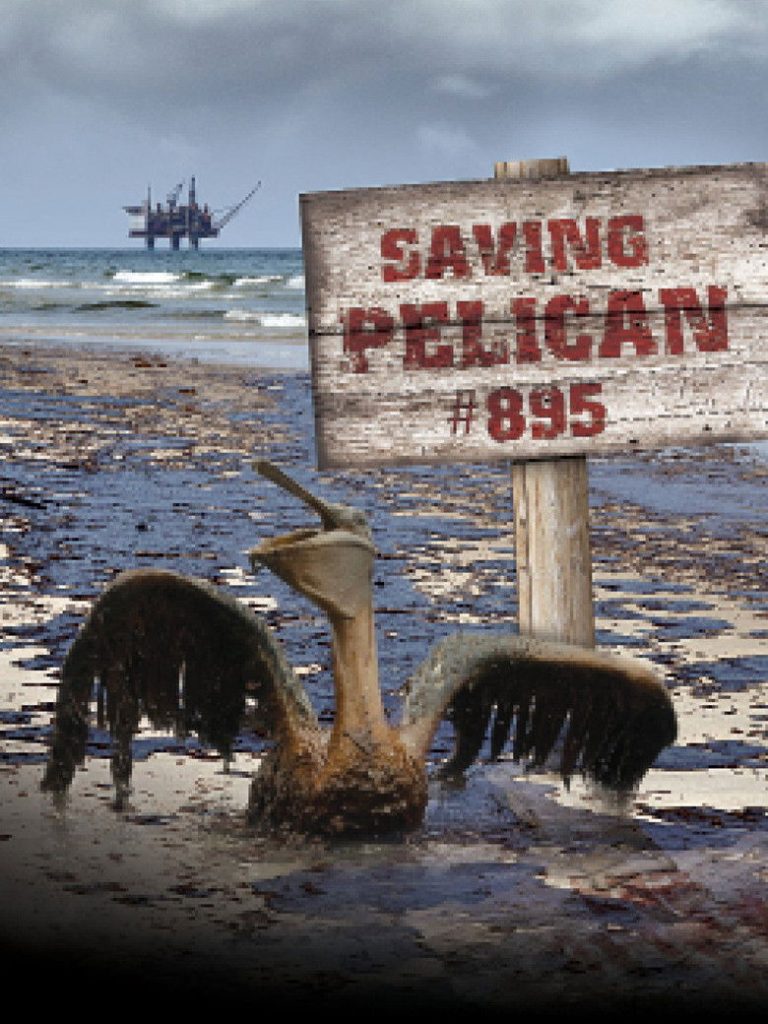
Story overview
This 2011 HBO documentary follows the collaborative rescue effort to save the 895th oiled pelican in Louisiana after the Deepwater Horizon oil spill. It showcases conservationists, government agencies, and wildlife activists working together to clean, rehabilitate, and release this single pelican, highlighting environmental stewardship and human compassion in crisis.
Parent Guide
A family-friendly documentary with educational value about wildlife rescue and environmental responsibility. Suitable for most children ages 8 and up, with parental guidance for sensitive viewers due to mild emotional content.
Content breakdown
No violence. Mild peril from the pelican's initial distressed state due to oiling, shown through brief scenes of it struggling; rescue procedures are calm and non-threatening.
Mildly disturbing images of the oiled pelican appearing dirty and helpless; cleaning scenes are clinical but may evoke empathy. No graphic or intense content.
No offensive language; dialogue is professional and focused on rescue operations.
No sexual content or nudity.
No substance use.
Mild emotional intensity from the pelican's plight and recovery journey; overall tone is hopeful and uplifting, with a positive resolution.
Parent tips
This documentary offers a gentle introduction to environmental issues and animal rescue. While emotionally engaging, it contains realistic scenes of an oiled pelican being handled and cleaned, which may be mildly distressing for sensitive younger viewers. The focus is on positive teamwork and successful rehabilitation, making it educational for children interested in wildlife.
Parent chat guide
Parent follow-up questions
- Did you like seeing the pelican get better?
- Who were the people helping the pelican?
- What sounds did the pelican make?
- Why was the pelican covered in oil?
- How did the rescuers clean the pelican safely?
- What might happen if no one helped the pelican?
- What challenges did the rescue team face?
- How does oil harm birds and their habitat?
- What roles did government and volunteers play?
- How effective are such rescue efforts in large-scale disasters?
- What are the economic and environmental trade-offs in oil drilling?
- How can documentaries influence public policy on conservation?
🎭 Story Kernel
Saving Pelican 895 isn't really about rescuing a bird—it's a stark examination of how we assign value to life. The film's central tension arises from the absurd yet profound question: how much time, money, and emotional energy should be devoted to saving one creature when thousands suffer? The characters aren't driven by heroism but by a quiet desperation to prove that individual lives matter in an indifferent universe. Their obsession with Pelican 895 becomes a mirror for our own selective empathy, forcing viewers to confront why we care about some suffering while ignoring others. The rescue mission becomes a metaphor for all the small, seemingly futile acts of kindness that define our humanity.
🎬 Visual Aesthetics
The cinematography creates a deliberate intimacy with its subject. Extreme close-ups on the pelican's oil-matted feathers and panicked eyes force viewers into uncomfortable proximity with suffering. The color palette shifts dramatically—from the vibrant blues and greens of healthy coastal ecosystems to the sickly browns and grays of the oil spill's aftermath. Handheld camera work during rescue sequences creates a visceral sense of urgency, while lingering static shots of the cleanup operation emphasize its industrial scale. Most powerful are the aerial shots that dwarf human efforts against the vast ocean, visually reinforcing the story's central tension between individual care and overwhelming disaster.
🔍 Details & Easter Eggs
💡 Behind the Scenes
The film's pelican was played by multiple rescued birds from actual oil spills, with trainers using careful editing to create a seamless 'character.' Shooting occurred at genuine wildlife rehabilitation centers along the Gulf Coast, with many real-life rescuers appearing as extras. Director Irene Taylor Brodsky insisted on using minimal CGI, opting instead for practical effects with food-grade materials to simulate oil. Most remarkably, the production collaborated with the International Bird Rescue Research Center, whose staff consulted on every rescue sequence to ensure accuracy—blending documentary authenticity with narrative filmmaking.
Where to watch
Choose region:
- HBO Max
- HBO Max Amazon Channel
- Amazon Video
- Apple TV Store
- Google Play Movies
- YouTube