
Saw (2004)
Story overview
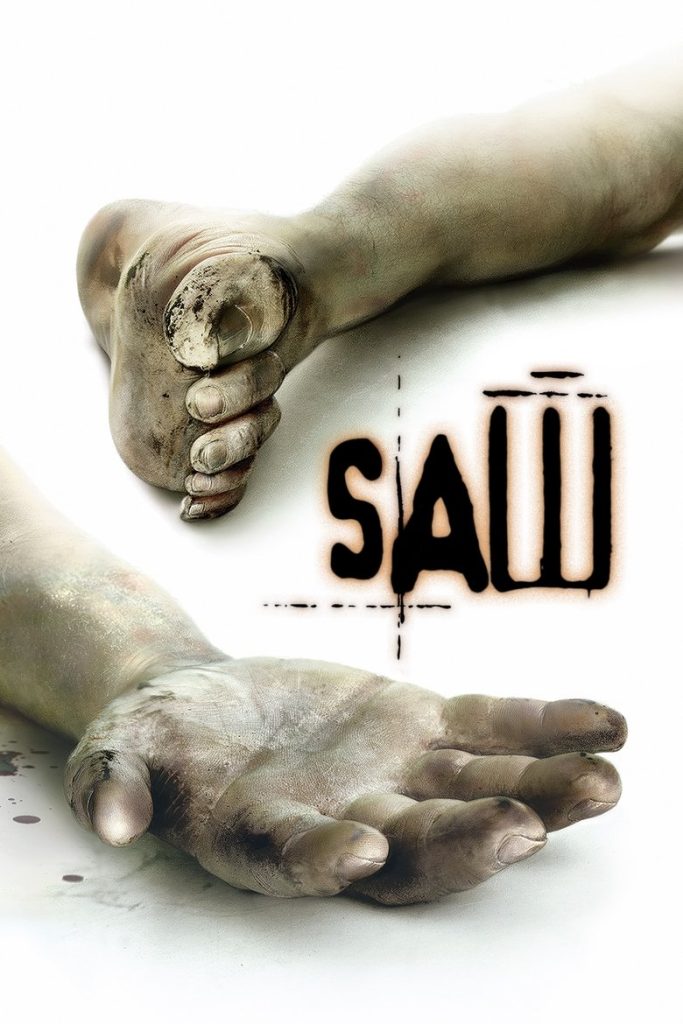
Saw is a psychological horror film that follows two men who wake up chained in a dilapidated bathroom with no memory of how they got there. They discover they are pawns in a deadly game orchestrated by a mysterious killer known as Jigsaw, who forces his victims to make brutal choices to survive. The film explores themes of morality, survival, and the consequences of one's actions through a series of tense and disturbing scenarios.
Parent Guide
This film contains intense and graphic horror elements that are unsuitable for viewers under 18. It explores dark themes through violent and psychologically disturbing scenarios.
Content breakdown
Contains graphic and prolonged scenes of violence, including torture, gore, and life-threatening situations. Characters are subjected to brutal physical harm and psychological torment.
Features intense psychological horror, jump scares, disturbing imagery, and themes of captivity and moral dilemmas that could be highly distressing.
Includes strong language and profanity throughout the film, consistent with its tense and violent context.
May contain brief or implied sexual references, but no explicit nudity or sexual scenes are a primary focus.
Could include references to or depictions of substance use, but it is not a central element of the plot.
Creates high levels of tension, fear, and psychological distress through its narrative and visual style.
Parent tips
This film is rated R for strong graphic violence, terror, and language. It contains intense and prolonged scenes of psychological and physical horror that are not suitable for children or younger teenagers. Parents should be aware that the movie focuses on torture devices, gore, and disturbing moral dilemmas that could cause significant distress.
Consider watching it yourself first to assess whether it's appropriate for your older teen based on their maturity and sensitivity to horror content. The film's themes of violence and survival under extreme duress may provoke anxiety or nightmares in viewers who are not accustomed to graphic horror.
Parent chat guide
Talk about healthy ways to manage fear or anxiety after watching scary movies, such as talking about it, engaging in calming activities, or avoiding similar content if it becomes overwhelming. Emphasize that the extreme situations depicted are not realistic and that seeking help is important in real-life crises.
Parent follow-up questions
- Did you see anything that made you feel scared?
- What was your favorite part of the movie?
- Do you have any questions about what you saw?
- How did the characters feel in the story?
- What would you do if you felt scared after watching a movie?
- What did you think about the characters' choices in the movie?
- How did the music and sounds make you feel during scary parts?
- What makes a movie too scary for you to watch?
- Can you tell the difference between movie make-believe and real life?
- Who would you talk to if a movie made you feel upset or confused?
- What themes or messages did you notice in the film?
- How does this movie compare to other horror films you've seen?
- Why do you think the filmmaker included such intense scenes?
- What are some ways movies create suspense or fear?
- How can viewers distinguish between entertainment and harmful content in media?
- What ethical questions did the film raise about survival and morality?
- How did the film's violence serve its narrative or themes?
- What techniques did the director use to build psychological tension?
- How does this film reflect or critique societal issues?
- What responsibilities do filmmakers have when depicting graphic content?
🎭 Story Kernel
At its core, 'Saw' is less about survival and more about confronting the human capacity for self-justification. Jigsaw doesn't kill people—he presents them with choices that force them to reveal their true moral character. Dr. Gordon must choose between sawing through his own flesh or letting his family die, while Adam must decide whether to kill a man to save himself. The film argues that everyone carries their own poison—addiction, dishonesty, apathy—and true horror emerges when we're forced to acknowledge what we're willing to sacrifice to preserve our lives. The final twist reveals that the 'dead' body in the room was orchestrating everything, making the audience complicit in missing what was right in front of them.
🎬 Visual Aesthetics
The film's visual language mirrors its psychological themes through grimy, desaturated colors that make the industrial bathroom feel like a tomb. Shaky handheld camerawork and extreme close-ups on eyes, wounds, and mechanical traps create visceral intimacy with suffering. The infamous reverse bear trap scene uses rapid editing to mimic panic, while the bathroom's persistent greenish tint suggests decay and moral corrosion. Symbolically, the key that could free Adam sits in the bathtub's drain—visible but unreachable, representing solutions that exist just beyond our grasp when we're blinded by fear.
🔍 Details & Easter Eggs
💡 Behind the Scenes
The entire film was shot in just 18 days on a budget of $1.2 million, with the iconic bathroom set constructed in a warehouse. Leigh Whannell wrote the script while working as a film journalist, and Cary Elwes performed his own foot-severing scene using a prosthetic—the visceral sound effects were created by recording celery being snapped. James Wan directed most scenes with available light to enhance the gritty realism, and the famous 'game over' line was improvised by Tobin Bell during filming.
Where to watch
Choose region:
- Peacock Premium
- Peacock Premium Plus
- Amazon Video
- Apple TV
- Google Play Movies
- YouTube
- Fandango At Home
- Plex
Trailer
Trailer playback is unavailable in your region.