
Scarface (1983)
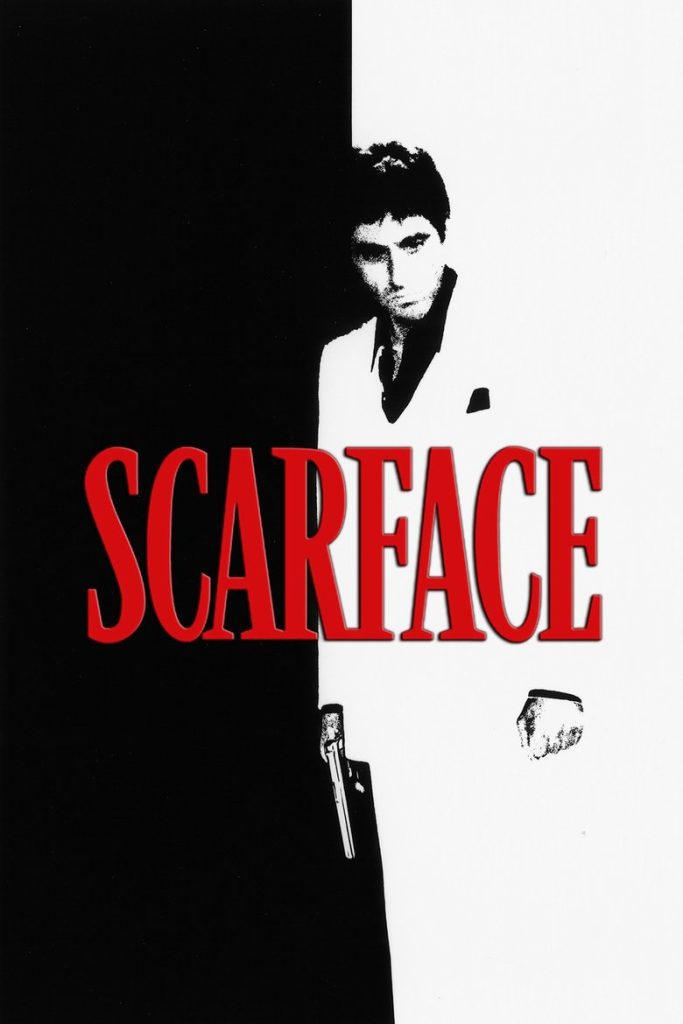
Story overview
Scarface follows the rise and fall of a Cuban immigrant who becomes a powerful drug lord in Miami. Through violent means and ruthless ambition, he builds a criminal empire while battling rivals and law enforcement. The film explores themes of greed, corruption, and the destructive consequences of the drug trade, ultimately depicting a tragic downfall fueled by paranoia and excess.
Parent Guide
Extremely intense crime drama with graphic violence, pervasive drug use, and strong language throughout. Suitable only for mature viewers who can process its dark themes.
Content breakdown
Frequent graphic violence including shootings, stabbings, torture, and brutal killings. Some scenes are particularly intense and bloody.
Disturbing themes of paranoia, betrayal, and psychological deterioration. Intense scenes of drug-induced psychosis and violent confrontations.
Pervasive strong language including frequent use of profanity, racial slurs, and crude dialogue throughout the film.
Sexual situations, suggestive content, and brief nudity. Some scenes depict drug-fueled parties with sexual content.
Extensive depiction of drug use including cocaine consumption, drug dealing, and characters under the influence throughout the film.
High emotional intensity with themes of greed, betrayal, paranoia, and tragic downfall. Characters experience extreme emotional states.
Parent tips
Scarface is an intense crime drama with strong violence, pervasive drug use, and explicit language throughout. The film's R rating reflects its graphic content, including brutal killings, drug consumption, and sexual situations. Parents should be aware that the protagonist is a criminal whose actions are glorified at times, though the story ultimately shows the destructive consequences of his lifestyle. This film is not suitable for younger viewers and requires careful consideration even for mature teenagers.
Parent chat guide
Parent follow-up questions
- Did any parts of the movie make you feel scared?
- What did you think about how the people were treating each other?
- What makes someone a good friend?
- How do you feel when you see people being mean?
- What do you think happens when people break rules?
- Why do you think the main character made the choices he did?
- How did the movie show that bad choices have consequences?
- What did you notice about how the characters treated each other?
- What messages did the movie give about money and power?
- How did the movie make you feel about drugs and violence?
- What did the movie suggest about the American Dream and how people try to achieve it?
- How did power and money change the main character throughout the story?
- What real-world consequences of drug use did the film show or not show?
- How did the movie portray law enforcement and the justice system?
- What lessons about ambition and morality did you take from the film?
- How does the film critique or glorify the criminal lifestyle it depicts?
- What commentary does the movie make about immigration, capitalism, and social mobility?
- How does the protagonist's cultural background influence his choices and how others perceive him?
- What does the film suggest about the relationship between violence, power, and masculinity?
- How does the movie's historical context (1980s) influence its portrayal of drugs and crime?
🎭 Story Kernel
Scarface isn't about the rise and fall of a gangster; it's a brutal autopsy of the American Dream as a toxic, self-consuming myth. Tony Montana isn't driven by poverty or circumstance—he's driven by a ravenous, insatiable hunger for validation. 'The world is yours' becomes his mantra, but the film argues that in a capitalist fever dream, ownership is an illusion. Every acquisition—money, power, Elvira—only deepens his emptiness. His downfall isn't caused by external enemies, but by the paranoid, hollow monster the dream itself created. The film posits that in this system, winning the game means becoming its most grotesque product.
🎬 Visual Aesthetics
Brian De Palma and cinematographer John A. Alonzo craft a world of garish, corrosive excess. The camera is often languid and operatic, sweeping through vast, empty mansions that emphasize Tony's isolation. The color palette shifts from the gritty, sun-bleached yellows of the refugee camp and early Miami to the cold, neon-lit blues and sterile whites of his mansion—a visual metaphor for his soul freezing over. The famous chainsaw scene uses frantic, claustrophobic editing to induce visceral horror, while the final shootout employs grandiose, almost theatrical wide shots, framing Tony's death as a tragic, self-inflicted spectacle.
🔍 Details & Easter Eggs
💡 Behind the Scenes
Al Pacino's iconic performance was almost very different. Director Brian De Palma initially wanted a more realistic, subdued Cuban accent, but Pacino, after research, insisted on the broader, more theatrical delivery we know, arguing Tony was a larger-than-life cartoon of ambition. The infamous 'chainsaw in the shower' scene was so intense that actor Steven Bauer (Manny) reportedly vomited after filming his reaction shots. The movie's lavish mansion was not a set but a private home in Miami, with the production paying a small fortune to paint it white and install the iconic staircase.
Where to watch
Choose region:
- Netflix
- Netflix Standard with Ads
- Amazon Video
- Apple TV
- Google Play Movies
- YouTube
- Fandango At Home
- Spectrum On Demand
Trailer
Trailer playback is unavailable in your region.