Schindler’s List (1993)
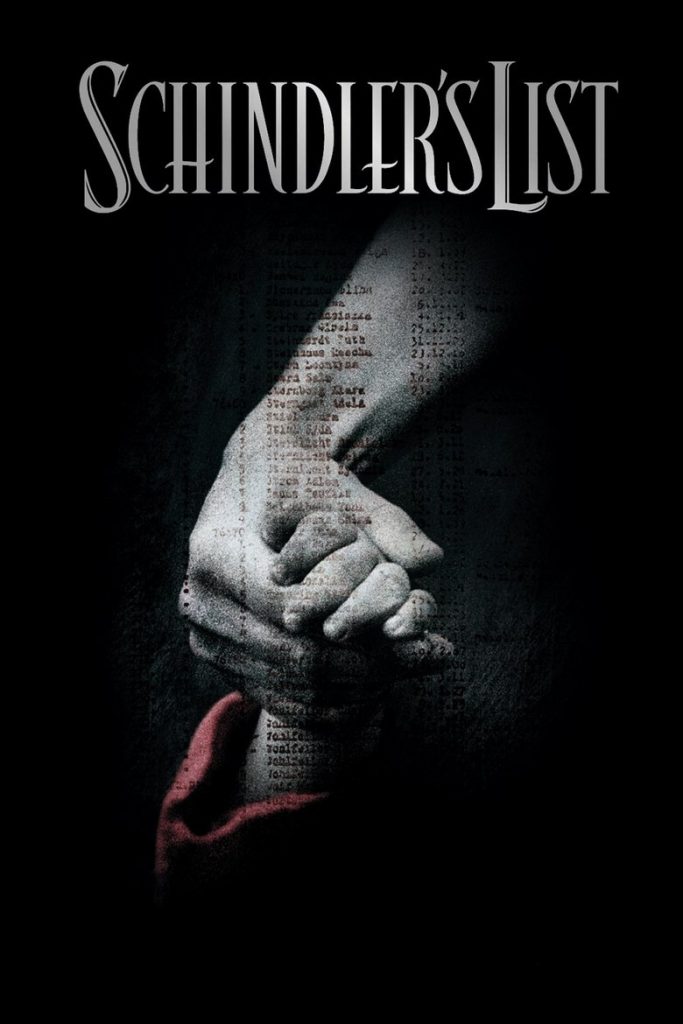
Story overview
Schindler's List is a historical drama based on the true story of Oskar Schindler, a German businessman who saved over a thousand Jewish people during World War II by employing them in his factory. The film depicts the horrors of the Holocaust while highlighting one man's moral transformation and extraordinary acts of courage. It serves as a powerful reminder of human resilience and the impact individual choices can have during times of extreme injustice.
Parent Guide
A historically significant but intensely graphic film about the Holocaust, suitable only for mature teenagers with parental guidance.
Content breakdown
Contains realistic depictions of wartime violence including shootings, beatings, and mass executions.
Includes deeply disturbing scenes of concentration camps, mass suffering, and Holocaust atrocities.
Some strong language and hate speech reflective of the historical period.
Contains brief non-sexual nudity in concentration camp scenes and some suggestive situations.
Some social drinking and smoking typical of the time period.
Extremely heavy themes of genocide, persecution, and human suffering throughout.
Parent tips
This film is rated R for its intense and realistic depiction of Holocaust atrocities, including violence, disturbing imagery, and mature themes. Due to its graphic content and emotional weight, it is not suitable for younger viewers. Parents should consider their child's emotional maturity and ability to process historical trauma before viewing, as the film contains scenes of extreme cruelty and human suffering that may be deeply upsetting.
Parent chat guide
Parent follow-up questions
- What does it mean to be kind to others?
- How can we help people who are sad?
- What makes someone a good friend?
- Why is it important to treat everyone fairly?
- What does courage look like in difficult situations?
- How can one person make a difference?
- What moral choices did the main character face?
- Why is it important to learn about historical events like this?
- How do people show resilience during hard times?
- What factors influence moral decisions during times of crisis?
- How does this film help us understand the impact of individual actions?
- What lessons about humanity can we learn from historical tragedies?
🎭 Story Kernel
At its core, 'Schindler's List' explores the transformation of moral ambiguity into heroic action through capitalist pragmatism. Oskar Schindler begins as a war profiteer exploiting cheap Jewish labor, motivated purely by greed. His gradual awakening isn't driven by sudden enlightenment but by witnessing systematic dehumanization—particularly the liquidation of the Kraków ghetto and the girl in red. The film argues that heroism emerges not from inherent goodness but from choosing humanity when it's most inconvenient. Schindler's final breakdown, lamenting he could have saved more lives with his car and gold pin, reveals the film's central tension: in the face of absolute evil, any action feels insufficient.
🎬 Visual Aesthetics
Spielberg's decision to shoot in stark black-and-white documentary style creates historical immediacy while allowing the girl's red coat to function as devastating visual punctuation. Handheld cameras during action sequences—particularly the ghetto liquidation—create visceral chaos, contrasting with composed static shots of bureaucratic evil in Amon Göth's office. The transition to color in the final scene, showing real survivors placing stones on Schindler's grave, bridges cinematic artifice with historical reality. Lighting consistently isolates individuals in pools of light against overwhelming darkness, visually representing both hope and vulnerability.
🔍 Details & Easter Eggs
💡 Behind the Scenes
Liam Neeson prepared by studying Schindler's actual speeches and mannerisms, while Ralph Fiennes gained weight and learned German to embody Amon Göth's physical and psychological presence. Spielberg refused payment for directing, calling it 'blood money,' and used his salary to establish the USC Shoah Foundation. The film was shot in Kraków, using many actual locations from the Holocaust, including the Płaszów concentration camp site. Ben Kingsley spent weeks with Holocaust survivors to understand their experiences, influencing his portrayal of Itzhak Stern's quiet resilience.
Where to watch
Choose region:
- Amazon Video
- Apple TV
- Google Play Movies
- YouTube
- Fandango At Home
- FlixFling
- Spectrum On Demand
Trailer
Trailer playback is unavailable in your region.