
Sea Lions of the Galapagos (2025)
Story overview
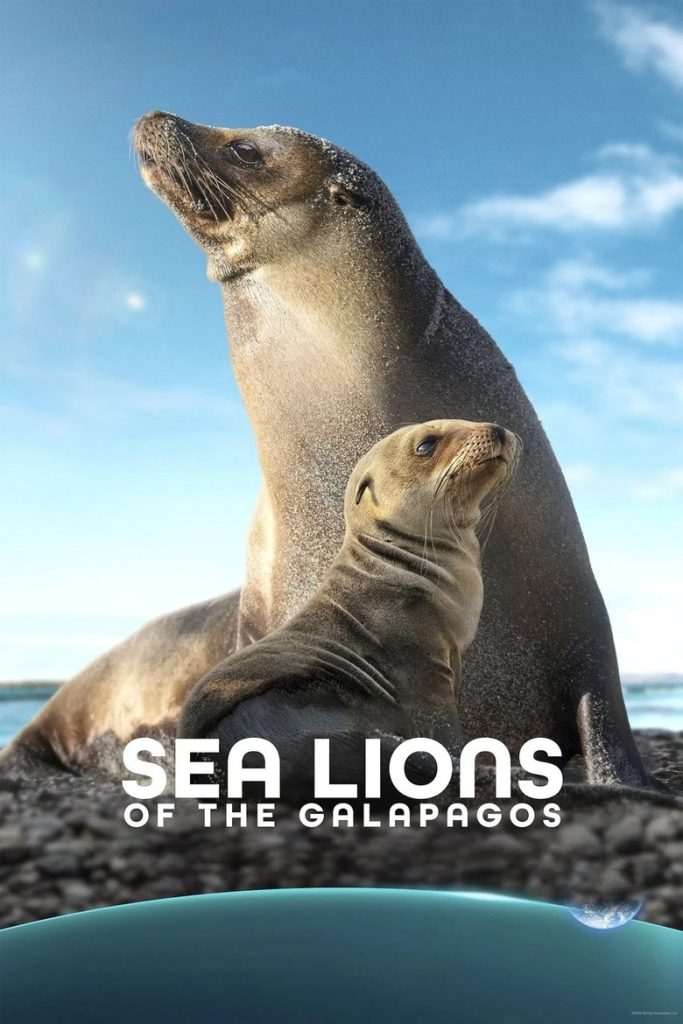
This 2025 documentary follows Leo, a charming sea lion pup, as he learns essential survival skills from his mother Luna in the Galapagos Islands. The film captures their daily life, showcasing natural behaviors like swimming, hunting for fish, and interacting with other marine creatures in their stunning coastal habitat. Through beautiful cinematography, viewers witness Leo's growth and the gentle guidance of his mother in this family-friendly nature exploration.
Parent Guide
This is a completely family-friendly documentary suitable for viewers of all ages. There is no content that would concern parents, making it ideal for even the youngest children who can maintain attention for nature programming.
Content breakdown
No violence or peril. The documentary shows natural behaviors like fish hunting, but nothing graphic or intense. Sea lions are shown swimming and playing in their natural habitat without any dangerous situations.
Nothing scary or disturbing. The tone is educational and gentle throughout. Even natural predator-prey relationships are likely handled sensitively given the G rating and family focus.
No problematic language. The narration is educational and appropriate for all ages, likely focusing on factual information about sea lion behavior and their environment.
No sexual content. Animals are shown naturally without any focus on mating behaviors. The documentary centers on the parent-child learning relationship.
No substance use of any kind. The documentary focuses entirely on natural animal behaviors in their habitat.
Very low emotional intensity. The documentary has a calm, educational tone. Any emotional moments would be positive, such as Leo successfully learning a new skill or bonding with his mother.
Parent tips
This G-rated documentary is completely safe for all ages with no concerning content. It's an excellent choice for introducing young children to wildlife and marine ecosystems. The 83-minute runtime might be long for very young viewers, so consider watching in shorter segments. The film provides positive messages about family bonds, learning, and nature conservation without any scary or intense moments.
Parent chat guide
Parent follow-up questions
- What was your favorite part with Leo the sea lion?
- How do you think sea lions are different from the dogs or cats we know?
- What sounds did the sea lions make?
- What color was the ocean where Leo lived?
- Why do you think Leo needed to learn from his mother Luna?
- What do sea lions eat and how do they catch their food?
- How are the Galapagos Islands different from where we live?
- What other animals did you see living near the sea lions?
- What adaptations help sea lions survive in their ocean environment?
- Why are the Galapagos Islands important for wildlife?
- How do documentary filmmakers capture footage of animals in the wild?
- What conservation challenges might sea lions face?
- How does this documentary portray the relationship between human observation and natural animal behavior?
- What ecological role do sea lions play in their marine ecosystem?
- How might climate change affect sea lion populations in the Galapagos?
- What ethical considerations should documentary filmmakers follow when filming wildlife?
Where to watch
Choose region:
- Disney Plus
Trailer
Trailer playback is unavailable in your region.