
Sea of Shadows (2019)
Story overview
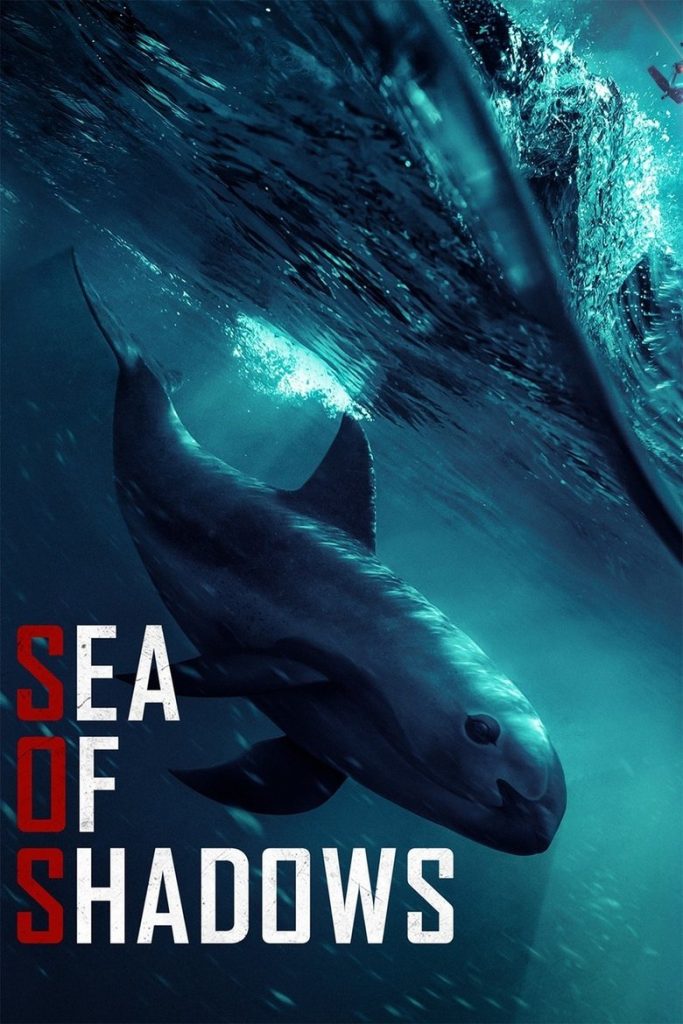
Sea of Shadows is a 2019 documentary that follows the urgent mission to save the critically endangered vaquita porpoise, the world's smallest whale. The film exposes how Mexican drug cartels and Chinese organized crime syndicates are driving the vaquita toward extinction by illegally harvesting totoaba fish, whose swim bladders are highly valued in traditional Chinese medicine. The documentary shows environmental activists, undercover investigators, and the Mexican navy working together to combat this destructive, multimillion-dollar illegal trade.
Parent Guide
A compelling but intense documentary about environmental crime and animal conservation. While not graphically violent, the subject matter involves organized crime, animal death, and high-stakes confrontations that may be too intense for younger children.
Content breakdown
No graphic violence against humans, but shows real footage of illegal fishing operations, dead animals (including vaquitas caught in nets), and tense confrontations between activists and criminals. Some scenes show armed individuals and potential danger to investigators.
The documentary deals with animal extinction and shows dead marine animals. The presence of organized crime groups and the high stakes of the conservation efforts create tension. The reality of the vaquita's imminent extinction may be emotionally difficult for some viewers.
Occasional mild language in tense situations. No strong profanity.
No sexual content or nudity.
Brief references to drug cartels and the comparison of totoaba swim bladders to 'cocaine of the sea,' but no depiction of substance use.
High emotional stakes around animal extinction and conservation efforts. The film creates tension through real-life danger faced by activists and investigators. The reality of the vaquita's situation may be upsetting to animal lovers.
Parent tips
This documentary deals with serious environmental crime and animal endangerment. While there's no graphic violence, the film shows real footage of illegal fishing operations, dead animals, and confrontations between activists and criminals. The subject matter may be distressing for sensitive children. Best suited for mature middle schoolers and teens who can handle discussions about extinction, organized crime, and environmental protection. Consider watching together to discuss the complex issues presented.
Parent chat guide
Parent follow-up questions
—
- What is a vaquita?
- Why are people trying to save the vaquita?
- What is an endangered animal?
- How do the cartels make money from the totoaba fish?
- What makes it difficult to stop the illegal fishing?
- What can ordinary people do to help endangered species?
- How does this documentary illustrate the connection between organized crime and environmental destruction?
- What ethical questions does the film raise about traditional medicine markets?
- How effective do you think the strategies shown in the film are for combating wildlife trafficking?
🎭 Story Kernel
At its core, 'Sea of Shadows' expresses the brutal collision between ancient ecological systems and modern criminal capitalism. The film isn't driven by individual heroism but by systemic desperation—the vaquita's biological imperative to survive against extinction, the fishermen's economic desperation pushing them toward cartel collaboration, and the activists' moral desperation to document what might be the last moments of a species. What propels the narrative forward isn't plot twists but the relentless ticking of an ecological clock, making every failed intervention feel like another nail in the coffin. The real antagonist isn't any single person but the global market forces that make a fish bladder more valuable than a living ecosystem.
🎬 Visual Aesthetics
The cinematography operates in two distinct registers: the haunting, almost spiritual underwater sequences with the vaquita, shot in ethereal blues and grays that make the creatures appear like ghosts already fading from existence, and the gritty, handheld urgency of the surface operations, all harsh shadows and sudden movements. Night-vision and thermal imaging aren't just tools but visual metaphors for trying to see a crime everyone wants to keep hidden. The most powerful visual contrast is between the silent, graceful marine world and the chaotic, violent human world above it—the camera often frames the Sea of Cortez itself as a silent witness being plundered.
🔍 Details & Easter Eggs
💡 Behind the Scenes
The production faced significant danger, with crew members receiving death threats from the cartels they were documenting. Much of the undercover footage was shot by activists and journalists already on the ground, which director Richard Ladkani then integrated into the film's narrative. The vaquita sequences were particularly challenging—with fewer than 30 individuals estimated remaining during filming, crews had to rely on rare sightings and acoustic monitoring. Notably, the Mexican marine biologist featured, Dr. Lorenzo Rojas-Bracho, had been studying the vaquita for decades, watching its population collapse in real time.
Where to watch
Choose region:
- Disney Plus
- fuboTV
- National Geographic
- Amazon Video
- Apple TV Store
- Google Play Movies
- YouTube
- Fandango At Home
Trailer
Trailer playback is unavailable in your region.