
Seaspiracy (2021)
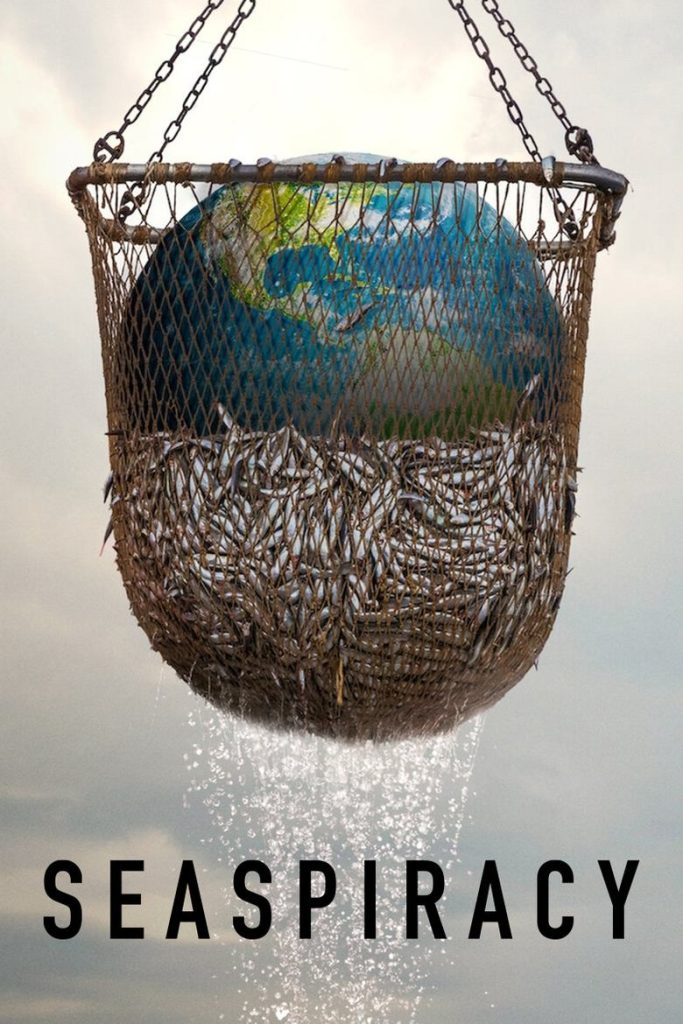
Story overview
Seaspiracy is a 2021 documentary that investigates the environmental impact of commercial fishing on ocean ecosystems. It explores issues like overfishing, bycatch, and marine pollution, presenting them through interviews and footage. The film takes a critical look at industry practices and conservation efforts, aiming to raise awareness about threats to marine life.
Parent Guide
Documentary with strong environmental messaging and graphic footage of marine animal harm.
Content breakdown
Contains footage of marine animals being killed or injured in fishing operations.
Graphic scenes of dead and dying marine animals may be upsetting.
No notable strong language.
No sexual content or nudity.
No substance use depicted.
Strong emotional content about environmental destruction and animal suffering.
Parent tips
This documentary contains graphic footage of marine animals being harmed, which may be disturbing for sensitive viewers. It presents strong environmental advocacy messages that could prompt discussions about consumer choices and sustainability. Consider watching together with older children to provide context and address any concerns about the content.
Parent chat guide
Parent follow-up questions
- What sea animals did you see in the movie?
- How can we help keep the ocean clean?
- What was your favorite part about the ocean?
- What are some ways people use the ocean?
- Why is it important to protect sea animals?
- What can we do to help marine life?
- What surprised you most about the documentary?
- How do fishing practices affect ocean ecosystems?
- What are some challenges in balancing human needs with ocean conservation?
- How does the documentary use evidence to support its arguments?
- What ethical questions does the film raise about food choices?
- How might different stakeholders (fishers, consumers, governments) view these issues differently?
🎭 Story Kernel
Seaspiracy presents itself as an investigation into dolphin hunting but rapidly expands into a systemic critique of the global fishing industry. The driving force is the filmmaker's own journey from naive concern to horrified realization, mirroring the audience's potential arc. It's not about individual villains but about exposing an entire economic and ecological system built on unsustainable extraction, corruption, and consumer ignorance. The core theme is the profound disconnect between the romanticized idea of the ocean and the brutal industrial reality that threatens it, arguing that individual consumer choices are dwarfed by institutionalized destruction.
🎬 Visual Aesthetics
The film employs a stark visual dichotomy. Early scenes use beautiful, serene underwater footage and sun-drenched coastal vistas, establishing the ocean's idealized majesty. This is brutally contrasted with the grainy, handheld, vérité-style footage of industrial slaughter: blood-red waters, mountains of dead fish, and grim harbor operations. The camera often adopts a first-person, investigative perspective, placing the viewer in the uncomfortable seat of the documentarian confronting shocking truths. The color palette shifts from blues and greens to muted grays and stark reds, visually charting the descent from wonder to horror.
🔍 Details & Easter Eggs
💡 Behind the Scenes
Director Ali Tabrizi funded the initial research and filming independently before securing broader support. The film faced significant pushback and difficulty in obtaining interviews from major fishing industry and certification bodies, which is reflected in the on-screen confrontations and refusals. Much of the shocking footage from whaling and fishing operations was obtained from undercover sources and activists on the ground, not from official channels. The production involved coordinating with a network of NGOs and investigators across multiple continents to piece together the global narrative.
Where to watch
Choose region:
- Netflix
- Netflix Standard with Ads
Trailer
Trailer playback is unavailable in your region.