
Selena Gomez: My Mind & Me (2022)
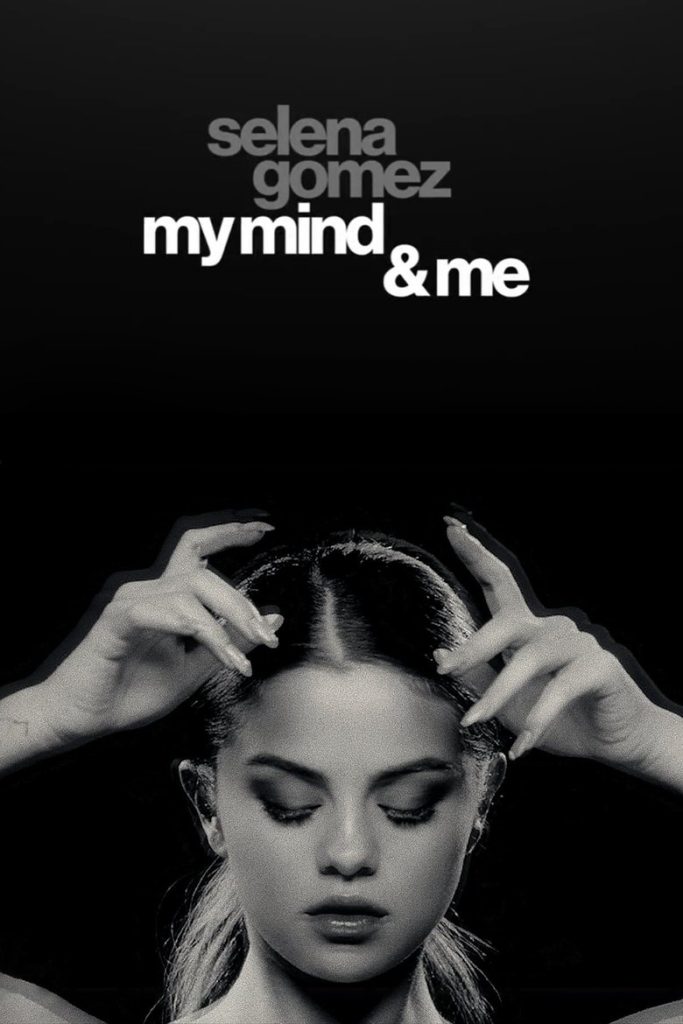
Story overview
This intimate documentary follows Selena Gomez over six years as she navigates immense fame, mental health struggles, and personal growth. It offers a raw, behind-the-scenes look at her journey through depression, anxiety, and a lupus diagnosis, highlighting her resilience and advocacy for mental wellness.
Parent Guide
A candid documentary about mental health struggles, recommended for mature teens due to intense emotional content and discussions of self-harm.
Content breakdown
No physical violence or peril depicted.
Disturbing content includes frank discussions of depression, anxiety, suicidal thoughts, and self-harm. Emotional scenes show Selena crying and in distress during mental health crises.
Occasional mild profanity like 'hell' or 'damn.'
No sexual content or nudity.
No depiction of substance use.
High emotional intensity throughout, with raw footage of Selena's mental health struggles, hospital visits, and vulnerable moments. May be overwhelming for sensitive viewers.
Parent tips
This R-rated documentary deals with mature themes including mental health crises, medical issues, and emotional vulnerability. It's best suited for older teens who can process discussions of depression, anxiety, and self-harm. Watch together to discuss mental health openly.
Parent chat guide
Parent follow-up questions
—
—
- What did you learn about being kind to yourself?
- How do you think Selena felt when she was sick?
- How does the film portray the relationship between fame and mental health?
- What coping mechanisms did Selena use that were effective or concerning?
- How can we reduce stigma around mental health discussions?
🎭 Story Kernel
The documentary's core theme explores the profound disconnect between public persona and private self in celebrity culture. It's not a conventional rise-to-fame narrative but rather an examination of how maintaining the 'Selena Gomez' brand becomes psychologically unsustainable. The driving force isn't ambition but survival—how to continue performing while battling lupus, bipolar disorder, and the constant scrutiny that transforms personal struggles into public spectacles. The film reveals how institutional fame systems (record labels, media, fan expectations) create conditions where mental health crises become inevitable, presenting celebrity not as privilege but as a form of psychological labor with diminishing returns.
🎬 Visual Aesthetics
The visual language deliberately contrasts polished concert footage with raw, intimate moments. Cinéma vérité handheld shots dominate private scenes, creating visceral immediacy during emotional breakdowns and hospital visits. The color palette shifts dramatically: saturated concert lighting gives way to sterile hospital whites and muted hotel room tones, visually mapping Gomez's psychological states. Deliberate fourth-wall breaks—where Gomez acknowledges the camera during vulnerable moments—subvert traditional documentary distance. Most strikingly, the film uses interstitial title cards not for exposition but as emotional punctuation, transforming diagnostic terms ('bipolar disorder') from clinical labels into personal landmarks in her journey.
🔍 Details & Easter Eggs
💡 Behind the Scenes
Director Alek Keshishian previously documented Madonna's truth-or-dare persona in 'Truth or Dare' (1991), creating an interesting lineage in examining female pop stars' constructed identities. The film was shot over six years, with Gomez initially envisioning a traditional tour documentary before personal crises reshaped the project. Notably, Gomez served as executive producer, granting unusual editorial control that explains the documentary's refusal to sanitize moments other PR teams might exclude. The psychiatric hospital sequences were filmed with consent from all patients shown, with Gomez insisting on including these scenes to destigmatize mental health treatment.
Where to watch
Choose region:
- Apple TV
- Apple TV Amazon Channel
- Amazon Video
- Apple TV Store
- Google Play Movies
- YouTube
- Fandango At Home
Trailer
Trailer playback is unavailable in your region.