
Sense and Sensibility (1995)
Story overview
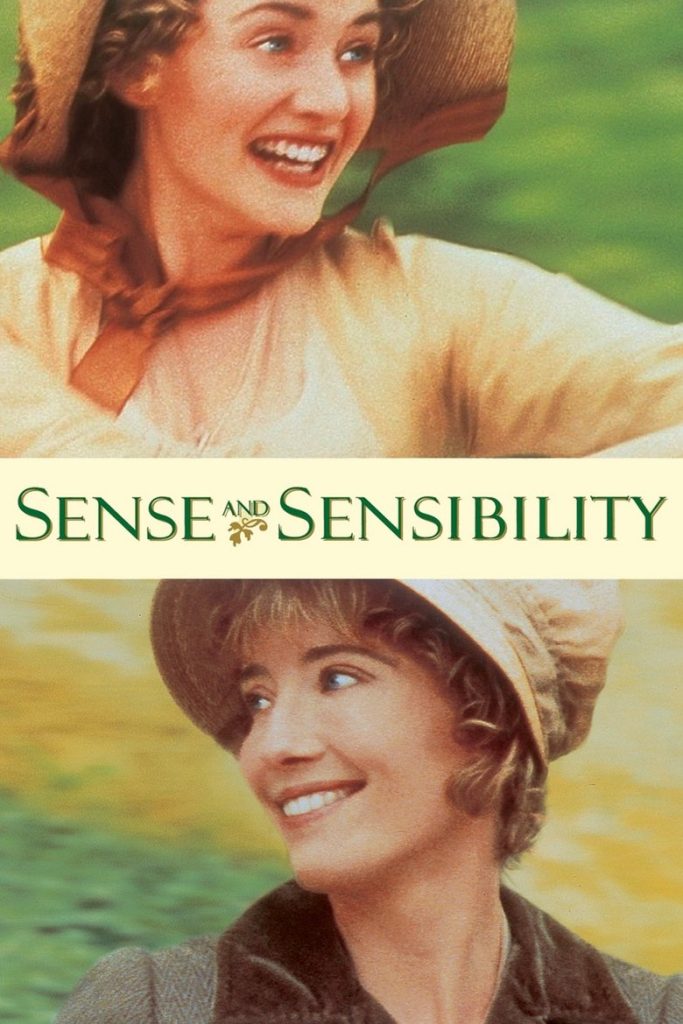
Sense and Sensibility is a period drama set in early 19th-century England that follows the Dashwood sisters as they navigate societal expectations after their father's death leaves them financially vulnerable. The story contrasts Elinor's practical, reserved approach with Marianne's emotional, romantic nature as they both seek suitable marriages in a class-conscious society. Through their experiences, the film explores themes of love, family loyalty, and the balance between reason and emotion in personal relationships.
Parent Guide
A thoughtful period drama suitable for mature children and teens, focusing on relationships and social dynamics rather than action or intensity.
Content breakdown
One character experiences a serious illness with emotional distress, but no physical violence or perilous situations.
Emotional scenes involving grief, romantic rejection, and financial worry may be affecting but not frightening.
Period-appropriate dialogue with no offensive language.
Courtship and romantic themes are expressed through conversation and restrained behavior only.
No depiction of substance use.
Strong emotional themes including loss, unrequited love, and family conflict, handled with dramatic weight but appropriate for the PG rating.
Parent tips
This PG-rated adaptation of Jane Austen's classic novel offers rich material for family viewing with its focus on character development and social commentary. Parents should be aware that the film deals with mature themes including financial insecurity, romantic disappointment, and societal pressures, though all are handled with period-appropriate restraint. The 136-minute runtime and deliberate pacing may challenge younger viewers, but the strong performances and emotional storytelling provide excellent opportunities for discussing historical context and relationship dynamics.
Parent chat guide
Parent follow-up questions
- What did you notice about how people dressed in the movie?
- How did the sisters help each other?
- What was your favorite house or place in the movie?
- Why was it important for the sisters to find husbands in this story?
- How did Elinor and Marianne show their feelings differently?
- What does it mean to be a good friend or sister?
- How do the characters balance what they want with what society expects?
- What challenges do the sisters face because they don't have much money?
- How does the movie show that people can change their minds about others?
- How does the film critique the marriage market of its time?
- What commentary does the story offer about emotional restraint versus expression?
- How do class and gender roles influence the characters' choices and opportunities?
🎭 Story Kernel
At its core, 'Sense and Sensibility' explores the tension between emotional authenticity and social survival in a patriarchal system. The Dashwood sisters aren't simply 'emotional' versus 'rational'—they're both navigating how much of their true selves they must sacrifice to secure stability. Marianne's passionate outbursts and Elinor's stoic silences are two sides of the same coin: women trying to preserve their dignity when society offers them little agency. The real drama isn't who marries whom, but watching these women learn that vulnerability and restraint aren't opposites—they're both necessary tools for navigating a world that constantly undervalues them.
🎬 Visual Aesthetics
Director Ang Lee and cinematographer Michael Coulter use the English landscape as emotional shorthand. Wide shots of windswept moors mirror Marianne's turbulent emotions, while confined interior spaces with precise compositions reflect Elinor's constrained circumstances. The color palette subtly shifts with each location: warm golds at Norland, cool blues at Barton Cottage, and finally balanced tones at Delaford. Notice how the camera often lingers on characters' hands—Elinor's clenched fists, Marianne's dramatic gestures—revealing what their composed faces cannot. The restrained visual style makes the few moments of movement (Marianne running through the rain, Willoughby's frantic ride) feel like emotional explosions.
🔍 Details & Easter Eggs
💡 Behind the Scenes
Emma Thompson not only starred as Elinor but wrote the Oscar-winning screenplay, condensing Austen's novel while preserving its essence. The famous rain scene where Willoughby carries Marianne was filmed during an actual storm—Alan Rickman (Colonel Brandon) insisted on performing his own horseback stunts despite having no riding experience. Most interiors were shot at real English country houses, with Saltram House serving as Norland Park. Thompson and Kate Winslet (Marianne) developed their sisterly chemistry by rooming together during production, creating the authentic dynamic visible on screen.
Where to watch
Choose region:
- Amazon Video
- Apple TV
- Google Play Movies
- YouTube
- Fandango At Home
- Spectrum On Demand
Trailer
Trailer playback is unavailable in your region.