
Seoul 1988 (1989)
Story overview
This documentary provides comprehensive coverage of the 1988 Summer Olympic Games held in Seoul, South Korea. It captures the international sporting event through footage of competitions, athlete profiles, cultural presentations, and the overall atmosphere of the games, offering historical insight into this significant global occasion.
Parent Guide
This documentary about the 1988 Seoul Olympics is educational and family-friendly, focusing on sports, culture, and international cooperation without any concerning content.
Content breakdown
No violence or peril depicted. The content consists of sports competitions and celebratory events.
Nothing scary or disturbing. The documentary maintains a positive, inspirational tone throughout.
No offensive language. Commentary is professional and focused on sports and events.
No sexual content or nudity. Athletes are shown in appropriate sports attire.
No depiction of substance use. The focus is entirely on athletic competition and Olympic events.
Mild emotional moments may occur during medal ceremonies or dramatic competitions, but these are positive and inspiring rather than intense.
Parent tips
This documentary is suitable for most children as it focuses on sports and international cooperation. Parents may want to watch with younger viewers to explain historical context or discuss Olympic values like sportsmanship and cultural exchange. No concerning content is present.
Parent chat guide
Parent follow-up questions
- What sports did you see in the movie?
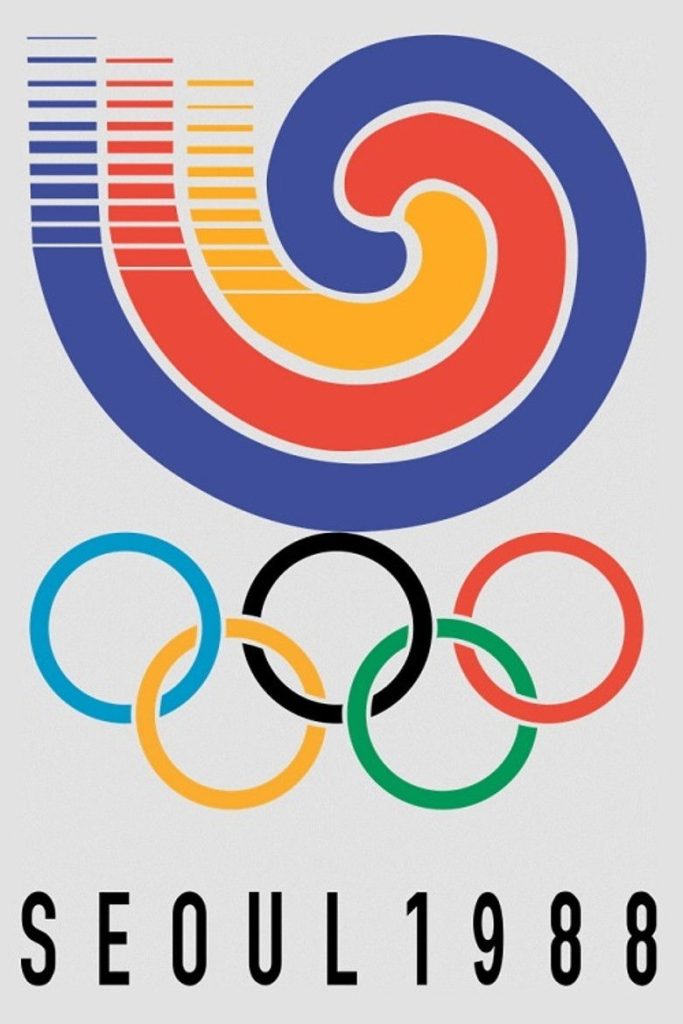
- What colors did you notice in the Olympic rings?
- Did you see any animals in the movie?
- Which country's athletes did you find most interesting?
- What do you think it takes to become an Olympic athlete?
- How do you think the athletes felt during their competitions?
- What historical significance do you think the 1988 Olympics had for South Korea?
- How do the Olympics promote international understanding?
- What challenges do you think documentary filmmakers face when covering large events like this?
- How did the 1988 Olympics reflect the political climate of the time?
- What impact do you think major sporting events have on host countries?
- How has Olympic coverage evolved since 1988 compared to today's media?
🎭 Story Kernel
At its core, 'Seoul 1988' is a searing indictment of nationalistic spectacle built upon systemic oppression. The film follows a small-time hustler and a displaced slum resident whose lives are upended by the city's manic preparations for the Olympics. Their desperation isn't driven by personal ambition, but by the crushing weight of a government that sees its own people as obstacles to a polished international image. The real conflict isn't between characters, but between the glittering facade of progress and the human cost swept into dark alleys. The ending's tragic inevitability—where individual lives are sacrificed for collective pride—reveals the film's true subject: how authoritarian regimes use global events to legitimize domestic cruelty.
🎬 Visual Aesthetics
The film's visual language masterfully employs a dual palette. Official Seoul is bathed in the garish, synthetic neon of 80s futurism and sterile Olympic white, all captured with steady, grandiose wide shots that mimic propaganda reels. Conversely, the slums and backstreets exist in a grimy, desaturated reality of handheld camerawork, shadow, and perpetual rain. This isn't just aesthetic contrast; it's ideological warfare. The camera often literally pans from a pristine stadium construction site to a bulldozed shanty town in one seamless, damning movement. Action is brutal and clumsy, devoid of Hollywood flair, emphasizing the raw, ugly violence of state power against fragile bodies.
🔍 Details & Easter Eggs
💡 Behind the Scenes
To achieve authenticity, director Park Min-soo insisted on shooting in actual neighborhoods slated for redevelopment in modern Seoul, often with hidden cameras to capture unfiltered urban texture. The lead actor, Kim Joon-ho, spent months living in a community center with former residents displaced by the real 1988 preparations. Notably, the film's score avoids period-typical synth-pop, instead using a minimalist, dissonant string arrangement to create a sense of unease, a deliberate choice to avoid nostalgic romanticism. Much of the crowd footage during the Olympic ceremony scenes uses meticulously restored archival broadcast tapes, seamlessly blended with new footage of the protagonists on the periphery.
Where to watch
Choose region:
- HBO Max
- HBO Max Amazon Channel
- Criterion Channel