
Sergio (2009)
Story overview
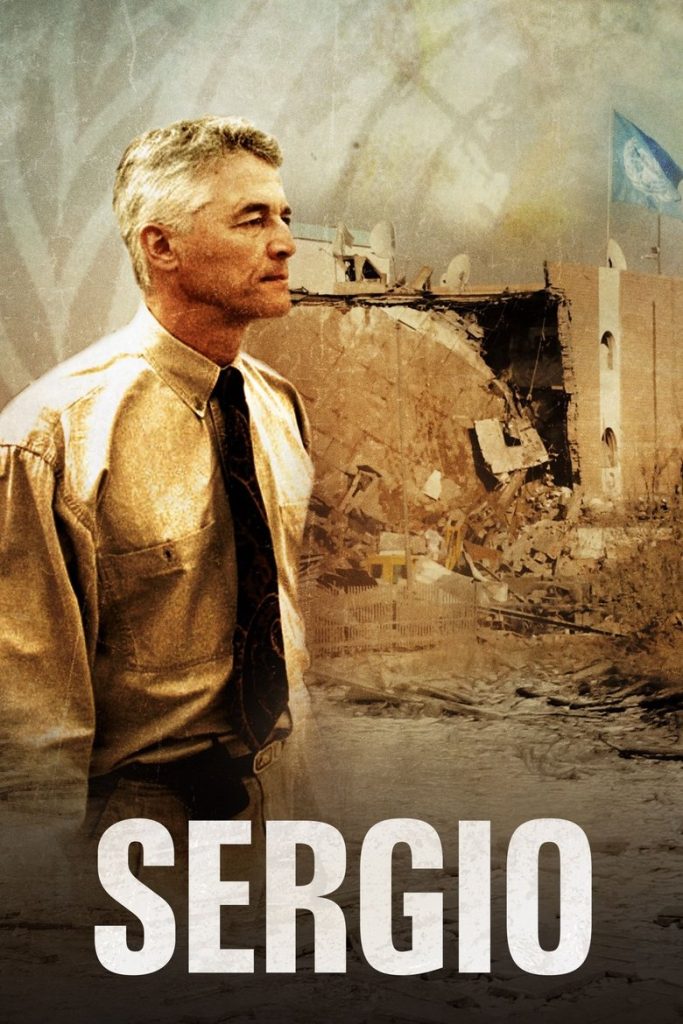
This documentary profiles Sérgio Vieira de Mello, a charismatic and dedicated UN diplomat known for his work in dangerous conflict zones. It focuses on his final, perilous mission in Iraq, where his life was at risk, highlighting his efforts to negotiate with war criminals and protect civilians. The film combines interviews with key figures like Tony Blair and Condoleezza Rice with archival footage to explore his legacy and the high-stakes nature of international diplomacy.
Parent Guide
This documentary is educational and thought-provoking, focusing on real-life peril and diplomatic efforts in conflict zones. It's appropriate for mature children and teens, with no graphic violence or inappropriate content, but it deals with serious themes that require parental guidance for younger viewers.
Content breakdown
The film discusses war, terrorism, and life-threatening situations, including Sérgio's fatal mission in Iraq. There are tense descriptions of danger and archival footage of conflict zones, but no explicit or graphic violence is shown.
Themes of peril and loss might be unsettling for sensitive viewers, especially younger children. The documentary addresses real-world tragedies and the emotional weight of Sérgio's work, but it's presented in a respectful, non-sensational manner.
No offensive or strong language is present in the documentary; it maintains a professional and educational tone throughout.
There is no sexual content or nudity in this documentary.
No depiction or discussion of substance use.
The film explores high-stakes situations, personal sacrifice, and the emotional impact of Sérgio's life and death. It may evoke feelings of sadness, admiration, or concern, particularly in scenes discussing his final mission.
Parent tips
This documentary deals with real-world conflict and peril, so it's best suited for older children and teens. Parents should be prepared to discuss the dangers of war zones, the role of international organizations, and the emotional impact of loss. The film includes descriptions of violence and tense situations, but no graphic imagery. It's an opportunity to talk about courage, diplomacy, and global issues in a thoughtful way.
Parent chat guide
Parent follow-up questions
—
- Who was Sérgio and what did he do to help people?
- What does it mean to be brave like Sérgio?
- How can we be kind to others like he was?
- Why was Sérgio's mission in Iraq so dangerous?
- What are some ways people try to make peace in the world?
- How do you think Sérgio felt during his work, and why?
- What does this documentary reveal about the risks and rewards of international diplomacy?
- How do figures like Tony Blair and Condoleezza Rice contribute to the story?
- What lessons can we learn from Sérgio's life about sacrifice and global responsibility?
🎭 Story Kernel
The film explores the tension between humanitarian idealism and the brutal pragmatism of international politics through the lens of Sergio Vieira de Mello's final mission. It's not just a biopic but a meditation on what happens when a man who believes in dialogue and diplomacy confronts a situation where those tools have been rendered useless. The narrative drives home how even the most skilled negotiator becomes powerless when the rules of engagement are abandoned by one side. Sergio's character arc shows the gradual erosion of optimism as he realizes his life's work might be built on foundations that don't exist in places like post-invasion Iraq.
🎬 Visual Aesthetics
Director Greg Barker employs a dual visual language: warm, golden-hued flashbacks to Sergio's earlier humanitarian successes contrast sharply with the desaturated, gritty realism of Baghdad in 2003. The camera often lingers in tight close-ups during dialogue scenes, emphasizing the intimacy of diplomatic negotiations, then pulls back to reveal the overwhelming chaos surrounding the UN compound. The bombing sequence uses visceral, chaotic editing rather than Hollywood spectacle - we experience the collapse through fragmented sensory details rather than clean action choreography. The color palette deliberately drains from the frame as the story progresses, mirroring Sergio's fading hope.
🔍 Details & Easter Eggs
💡 Behind the Scenes
Wagner Moura spent months studying Vieira de Mello's mannerisms and speech patterns, even meeting with his surviving colleagues to capture his distinctive diplomatic cadence. The film was shot in Jordan rather than Iraq for security reasons, with production designers meticulously recreating the Canal Hotel compound. Ana de Armas learned Portuguese for her role as Carolina Larriera, Vieira de Mello's partner. Director Greg Barker previously made a documentary about the same subject, bringing documentary realism to this dramatic retelling.
Where to watch
Choose region:
- Netflix
- Netflix Standard with Ads
- Google Play Movies
- YouTube