
Shake! Otis at Monterey (1987)
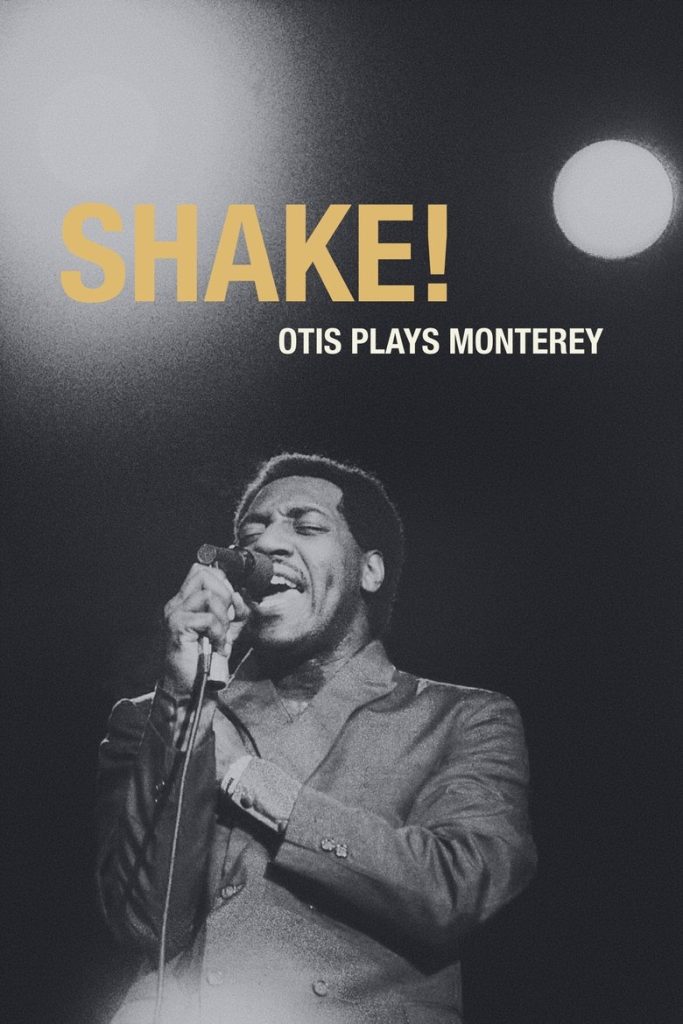
Story overview
This 19-minute documentary captures Otis Redding's electrifying performance at the 1967 Monterey Pop Festival, showcasing his soulful renditions of classics like 'Shake,' 'Respect,' and 'Try a Little Tenderness.' The film highlights his powerful stage presence and musical talent, with brief historical context about his tragic death six months later. As a concert film, it focuses entirely on the performance without narrative commentary or behind-the-scenes footage.
Parent Guide
A clean, historically significant concert film featuring one of soul music's greatest performers. No concerning content beyond the factual mention of the artist's death.
Content breakdown
No violence or peril depicted. The only potentially sensitive element is the text mention of Redding's death in a plane crash six months after the performance.
Nothing scary or disturbing. The performance is energetic but positive. The mention of death is factual and brief.
No profanity or concerning language. The film consists entirely of musical performance and brief introductory text.
No sexual content or nudity. Redding performs in typical 1960s concert attire.
No depiction or reference to substance use. The focus is purely on musical performance.
The performance is emotionally powerful and energetic, but not overwhelming. The knowledge of Redding's subsequent death adds a layer of poignancy that parents might want to discuss with sensitive children.
Parent tips
This is a straightforward concert film suitable for most ages. Parents should be aware that the film mentions Redding's death in a plane crash, which might require explanation for younger children. The performance itself contains no concerning content - just energetic, soulful music from one of history's great vocalists. Consider this an excellent introduction to classic soul music and 1960s concert culture.
Parent chat guide
Parent follow-up questions
- Did you like the music? What was your favorite part?
- How did the singer make you feel with his voice?
- Did you want to dance or move to the music?
- What instruments did you notice in the band?
- Why do you think the audience got so excited during the performance?
- What makes Otis Redding's voice different from singers you hear today?
- How does this performance show the energy of 1960s soul music?
- What historical significance does the Monterey Pop Festival have?
- How might this performance have influenced other musicians?
- How does Redding's performance style compare to contemporary performers?
- What cultural context makes this 1967 performance significant?
- How does knowing about Redding's early death affect your interpretation of his passionate performance?
🎭 Story Kernel
The film is not a traditional narrative but a kinetic expression of artistic transcendence. It documents Otis Redding's legendary 1967 Monterey Pop Festival performance, capturing the moment a regional soul star transforms into a universal icon. The driving force is pure, unadulterated musical energy—the push-and-pull between Redding's commanding, vulnerable performance and the audience's ecstatic, almost spiritual, surrender. It's a story of arrival, where the boundary between performer and crowd dissolves into a shared, cathartic release, foreshadowing Redding's tragic ascension to legend just months later. The real plot is the performance itself: a man giving everything he has on stage.
🎬 Visual Aesthetics
The visuals are urgent and immersive, prioritizing raw energy over polish. D.A. Pennebaker's documentary style uses handheld cameras that sweat and shake with the crowd, placing us in the thick of the festival's heat. The color palette is saturated with the deep blues of twilight and the warm glow of stage lights, making Redding's crisp white suit a beacon. The editing rhythm is dictated by the music—quick cuts during frenetic horn sections, lingering close-ups on Redding's pained, joyous expressions during ballads. The camera often focuses on the audience's awestruck or dancing faces, visually cementing the concert as a communal, transformative event.
🔍 Details & Easter Eggs
💡 Behind the Scenes
This performance was a career gamble. Redding's manager, Phil Walden, pushed him to play Monterey to cross over to the white rock audience. The film is part of D.A. Pennebaker's documentary of the entire festival. Notably, Redding's set was added last-minute after The Beatles declined to perform. The iconic white suit was a deliberate sartorial choice to stand out. Tragically, this triumphant capture of his peak fame was followed by his death in a plane crash just six months later, forever sealing this performance as his definitive mainstream breakthrough.
Where to watch
Choose region:
- HBO Max
- HBO Max Amazon Channel
- Criterion Channel
Trailer
Trailer playback is unavailable in your region.