
Sharks vs. Dolphins: Blood Battle (2020)
Story overview
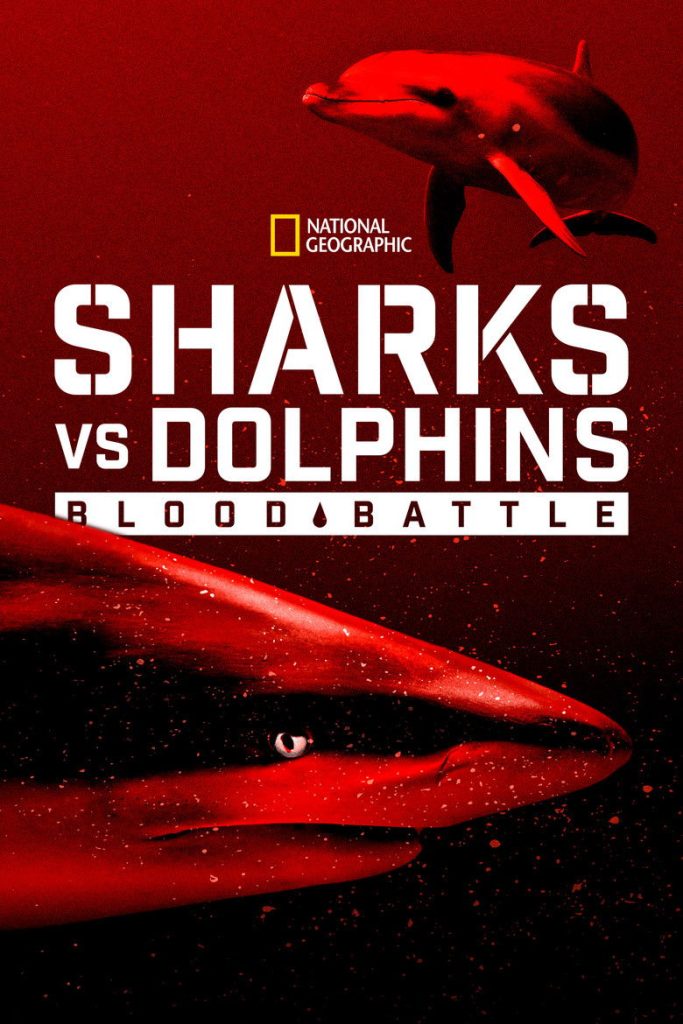
This 2020 documentary follows a team of experts using advanced technology to study the natural interactions between sharks and dolphins in Shark Bay, Australia. The film focuses on scientific observation of predator-prey dynamics in marine ecosystems, presenting factual information about animal behavior without staged conflicts or sensationalism.
Parent Guide
Educational documentary about marine animal behavior with scientific focus. The dramatic title doesn't reflect the actual content, which shows natural predator-prey interactions without graphic violence or staged conflicts.
Content breakdown
Shows natural predator-prey interactions between marine animals. Brief scenes of sharks hunting fish and dolphins defending against sharks, but nothing graphic or prolonged. No human violence or injury.
Some children might find shark footage intimidating, especially if they have existing fears. The documentary maintains a scientific tone that reduces scariness. No jump scares or intense music designed to frighten.
No offensive language. Scientific terminology appropriate for documentary content.
No sexual content or nudity. Shows animals in their natural habitat.
No substance use depicted.
Mild tension during hunting sequences, but overall educational tone keeps emotions grounded. Focus is on scientific discovery rather than emotional drama.
Parent tips
This documentary presents real animal behavior in a scientific context. The 'blood battle' title is more dramatic than the actual content, which shows natural predator-prey interactions typical of marine ecosystems. There's no human violence or staged animal fights. Consider discussing how documentaries sometimes use dramatic titles to attract viewers while the actual content is educational.
Parent chat guide
Parent follow-up questions
- What colors did you see in the ocean?
- Did the dolphins look like they were playing?
- What sounds did the animals make?
- Why do you think sharks and dolphins sometimes interact?
- How do the scientists stay safe while studying sharks?
- What tools did the researchers use to watch the animals?
- What adaptations help sharks hunt and dolphins avoid predators?
- How does this documentary's approach differ from sensational nature shows?
- What ethical considerations should scientists have when studying wild animals?
- How does media representation of predator-prey relationships affect public perception of conservation?
- What technological limitations still exist in studying marine animal behavior?
- How might climate change affect these shark-dolphin interactions in Shark Bay?
🎭 Story Kernel
The film's true conflict isn't predator versus prey, but survival versus territory. While marketed as a sensational battle, it's actually a study in resource scarcity and ecological pressure. The dolphins aren't noble heroes—they're intelligent opportunists protecting their hunting grounds. The sharks aren't mindless killers—they're desperate predators pushed to their limits by changing ocean currents. The climax reveals both species are victims of a shrinking ecosystem, making their violent encounters inevitable rather than malicious. This reframes the entire narrative from a simple good-versus-evil tale to a tragic environmental pressure cooker.
🎬 Visual Aesthetics
The cinematography employs a stark blue-green palette that deepens as conflicts intensify, creating an underwater pressure chamber effect. Shark attacks use shaky, chaotic camerawork from low angles to simulate prey perspective, while dolphin sequences feature smoother, tracking shots that emphasize their agility. Symbolism appears in the recurring coral formations—initially vibrant, then increasingly broken as battles progress, mirroring the ecosystem's degradation. The most striking visual choice is the use of slow-motion during the final confrontation, not to glorify violence but to highlight the anatomical precision of both species' survival adaptations.
🔍 Details & Easter Eggs
💡 Behind the Scenes
The production team used real shark and dolphin footage captured over three years across the Pacific, with most 'battle' sequences created through careful editing of natural territorial behaviors. Marine biologists were consulted to ensure interspecies interactions were ecologically plausible rather than purely sensational. The sound design mixes actual underwater recordings with subtly enhanced frequencies to make communication clicks and sonar audible to human ears. Notably, no animals were staged or harmed for filming—all confrontations documented occurred naturally during migration periods.
Where to watch
Choose region:
- Disney Plus
- fuboTV
- National Geographic