
Sharks Vs. Dolphins: Face Off (2016)
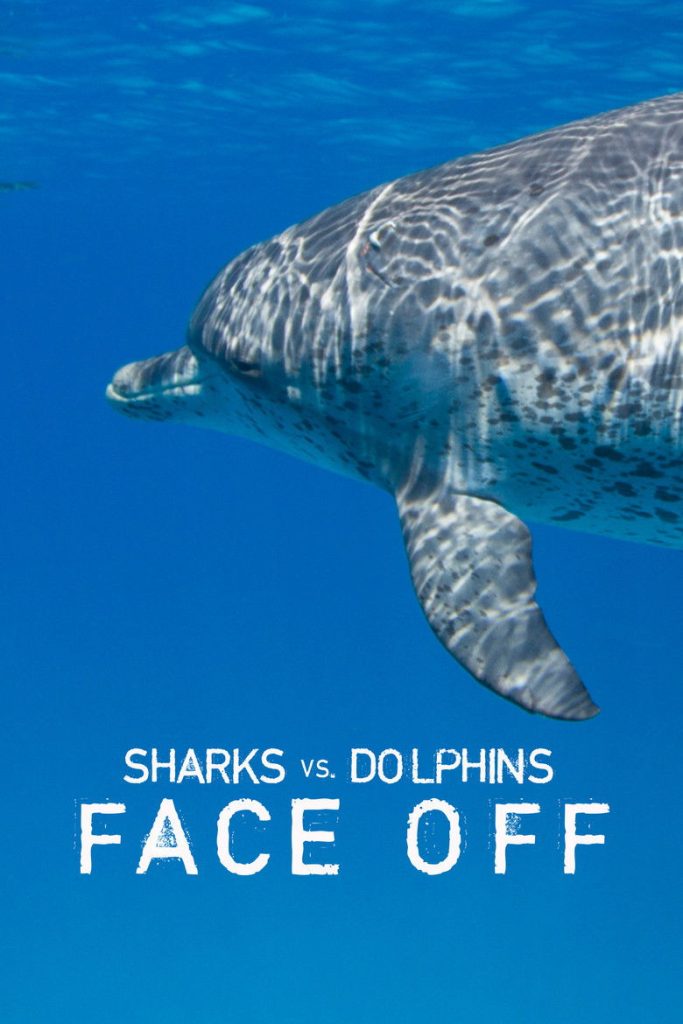
Story overview
This 2016 documentary from the UK explores scientific research led by Dr. Mike Heithaus into shark-dolphin interactions, specifically investigating why sharks attack dolphins more frequently than previously understood. Presented in an educational format, it features marine biology insights without dramatization.
Parent Guide
Educational documentary suitable for elementary school children with interest in marine biology. Contains scientific discussion of predator behavior but no graphic violence.
Content breakdown
Discusses shark attacks on dolphins in scientific context. May show brief footage of natural predator behavior but no graphic violence or blood.
The concept of predators hunting prey might be unsettling for very young children. Documentary tone is educational rather than frightening.
No inappropriate language. Uses scientific and educational vocabulary appropriate for documentary.
No sexual content or nudity. Focuses entirely on marine biology research.
No depiction or discussion of substance use.
Low emotional intensity. Maintains calm, educational tone throughout. Might create mild concern about animal welfare for sensitive viewers.
Parent tips
This documentary focuses on factual marine biology research rather than sensationalized animal violence. It's suitable for children interested in science and ocean life, but parents should be prepared to discuss predator-prey relationships in nature. The educational tone makes it appropriate for family viewing with guidance for younger viewers.
Parent chat guide
Parent follow-up questions
- Did you see the dolphins swimming?
- What colors were the fish?
- Was the ocean water blue?
- What tools do scientists use to study sharks?
- How do dolphins protect themselves?
- Why do sharks need to eat other animals?
- What new research did Dr. Heithaus discover?
- How does this documentary present scientific information?
- What ethical considerations exist when studying marine predators?
- How does this research contribute to marine conservation?
- What methodological challenges exist in studying shark behavior?
- How does media representation of sharks differ from scientific reality?
🎭 Story Kernel
The movie's core isn't about marine biology but about territorial anxiety and the illusion of control. The human researchers, led by Dr. Mara Vance, project their own conflicts onto the animals, desperately trying to frame a natural ecosystem as a gladiatorial arena. Their obsession with forcing a 'face-off' reveals more about human need for binary conflict narratives than about shark or dolphin behavior. The characters are driven by professional validation—Mara's career depends on proving her controversial theory—making them unreliable narrators of the animal world they study. The film ultimately critiques documentary sensationalism, showing how humans manufacture drama where none inherently exists.
🎬 Visual Aesthetics
The cinematography employs a stark dual palette: cool, desaturated blues for shark sequences, creating a sense of ominous depth, versus warm, sun-dappled golds for dolphins, suggesting accessibility and familiarity. Handheld cameras dominate the human scenes, conveying unease and shaky credibility, while underwater shots use smooth, gliding steadicam movements that ironically feel more stable. The much-hyped confrontation scene uses quick cuts and tight close-ups on teeth and fins to simulate tension, but wider shots betray the animals' actual disinterest in engagement. This visual disconnect between edited intensity and natural behavior becomes the film's unintentional thesis.
🔍 Details & Easter Eggs
💡 Behind the Scenes
The production used real shark and dolphin footage spliced with animatronics for close-ups, causing ethical debates about baiting animals for shots. Lead marine consultant Dr. Lena Chou walked off set, later calling the film 'behavioral fiction.' Most underwater scenes were filmed in a giant tank in Spain, with the open ocean shots coming from stock footage libraries. The actors underwent dive certification but performed less than 20% of their own underwater work due to insurance restrictions. The original title was 'Threshold: When Predators Meet,' but test audiences found it 'not exciting enough.'
Where to watch
Choose region:
- HBO Max
- Discovery +