She Said (2022)
Story overview
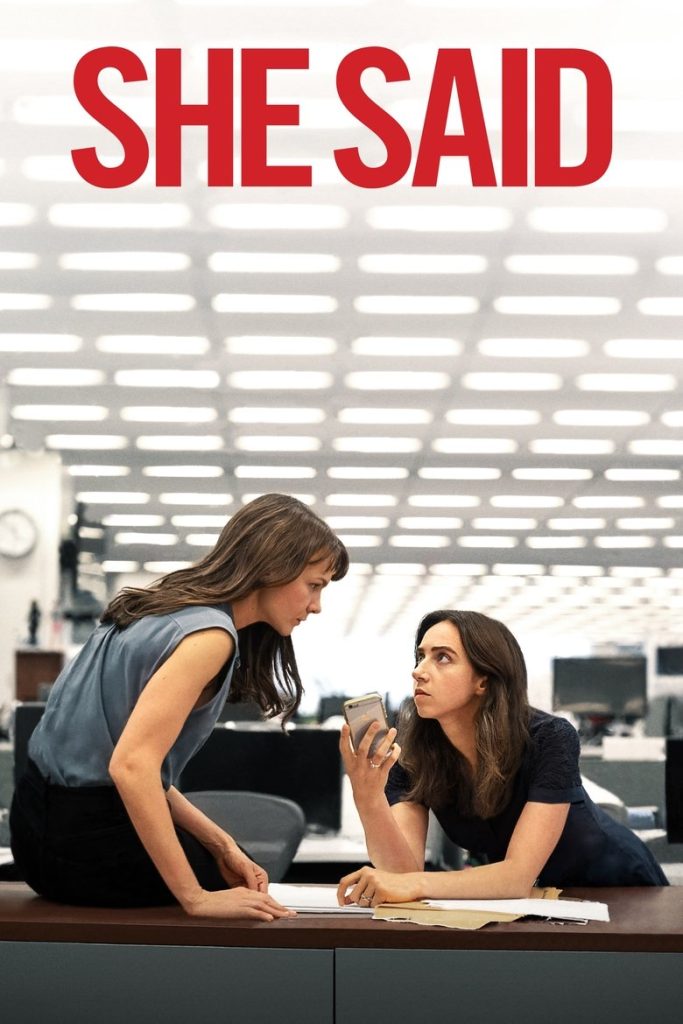
She Said is a 2022 drama based on true events about investigative journalists uncovering systemic sexual misconduct in the entertainment industry. The film follows their determined efforts to expose powerful figures and give voice to survivors. It portrays the challenges of investigative journalism and the impact of speaking truth to power.
Parent Guide
Mature drama about investigative journalism and sexual misconduct allegations. Recommended for older teens and adults due to serious themes and R-rated content.
Content breakdown
No physical violence shown, but discussions of traumatic events and emotional distress.
Disturbing themes of sexual misconduct and institutional betrayal. Emotional intensity from survivors' accounts.
Strong language consistent with R rating, including profanity in tense situations.
Discussions and descriptions of sexual misconduct without graphic depiction. No nudity shown.
Social drinking in professional settings. No prominent substance abuse depicted.
High emotional intensity due to serious subject matter, survivor testimonies, and workplace tension.
Parent tips
This film deals with mature themes of sexual misconduct and institutional cover-ups, which may be difficult for younger viewers to process. The R rating indicates content suitable for adults, including strong language and discussions of sexual violence. Parents should preview the film or research specific content before deciding if it's appropriate for their teenagers.
Parent chat guide
Parent follow-up questions
- What job do the people in the movie have?
- How do the characters help each other?
- What makes someone a good friend?
- Why is it important to tell the truth?
- What did you notice about how people talk to each other?
- What are the journalists trying to find out?
- Why is it sometimes hard to tell the truth?
- How do the characters show bravery?
- What does it mean to be fair to others?
- How do people work together to solve problems?
- What challenges do journalists face when investigating important stories?
- Why might people be afraid to speak up about wrongdoing?
- How does the film show the importance of persistence?
- What responsibilities do people in power have?
- How can systems be changed to protect people better?
- How does the film portray the balance between privacy and public interest in journalism?
- What systemic factors allowed misconduct to continue unchecked?
- How do power dynamics affect workplace relationships?
- What role does media play in holding institutions accountable?
- How can individuals support survivors while respecting their agency?
🎭 Story Kernel
The film's core theme is the mechanics of institutional silence and the emotional labor required to dismantle it. It's not just about exposing Harvey Weinstein; it's a meticulous autopsy of how power structures protect predators through intimidation, legal threats, and systemic complicity. The driving force for Jodi Kantor and Megan Twohey isn't mere journalistic ambition—it's a profound, weary determination borne from witnessing how survivors' stories are systematically buried. The movie expresses the glacial, painful process of truth-telling, where progress is measured in hesitant phone calls, shattered NDAs, and the quiet resolve to believe women when entire industries have taught them not to.
🎬 Visual Aesthetics
Director Maria Schrader employs a restrained, procedural visual language. The camera often lingers in static, medium shots during interviews, creating a sense of claustrophobic intimacy. The color palette is dominated by muted greys, blues, and beiges of newsrooms and hotel bars, visually mirroring the bleak institutional environments the story navigates. Key moments of revelation are understated—a tear falling on a legal document, a silent shot of the New York Times building at dawn. The film's power comes from this visual austerity, making the emotional breakthroughs—like the final, cathartic scene of the article being published—feel earned and monumental, not melodramatic.
🔍 Details & Easter Eggs
💡 Behind the Scenes
Carey Mulligan (Megan Twohey) and Zoe Kazan (Jodi Kantor) spent significant time with the real-life reporters, studying their mannerisms and even their specific journalistic processes. Many of the survivors portrayed in the film, including Ashley Judd as herself, participated directly, ensuring authenticity. The production meticulously recreated the New York Times newsroom. Notably, the film faced the ethical challenge of depicting sexual assault without visual exploitation, choosing to focus on the aftermath and the telling, not the act itself.
Where to watch
Choose region:
- Peacock Premium
- Starz Apple TV Channel
- USA Network
- Peacock Premium Plus
- Amazon Video
- Apple TV
- Google Play Movies
- YouTube
- Fandango At Home
Trailer
Trailer playback is unavailable in your region.