
Shrek (2001)
Story overview
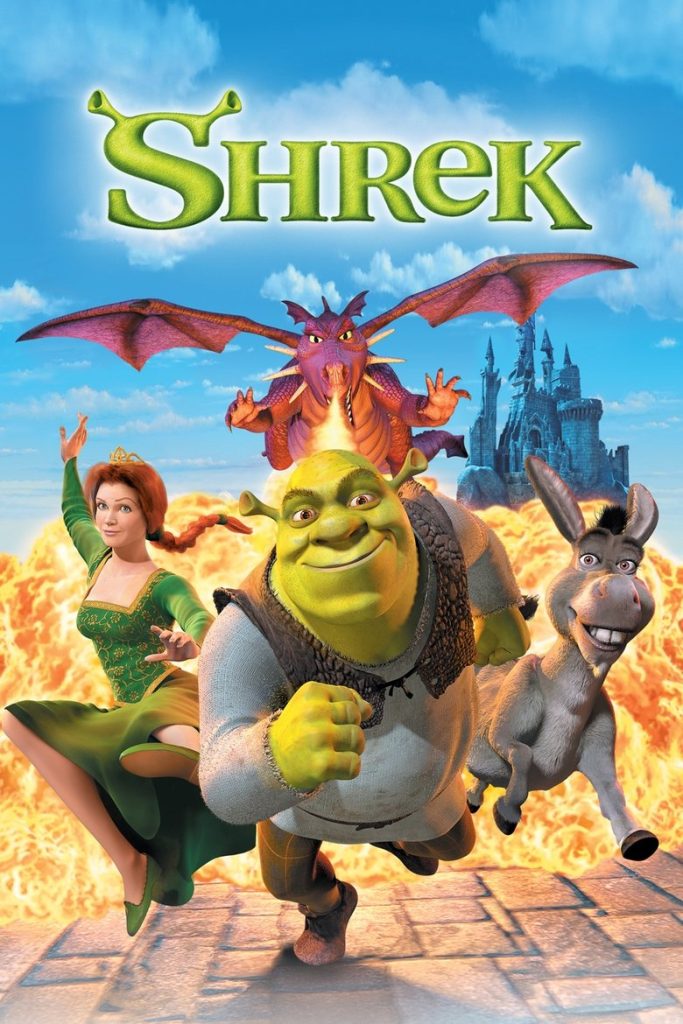
Shrek is a 2001 animated fantasy comedy about a grumpy ogre who lives alone in a swamp. When his home is invaded by fairy-tale creatures exiled by the villainous Lord Farquaad, Shrek makes a deal to rescue Princess Fiona in exchange for getting his swamp back. Accompanied by a talkative Donkey, Shrek embarks on an adventure that challenges stereotypes about appearances and true love.
Parent Guide
A family-friendly animated comedy with positive messages about acceptance and friendship, containing mild action and humor.
Content breakdown
Comic fantasy action including characters being chased, mild fighting, and comedic peril. No graphic violence.
Some mildly intense scenes with a dragon and villain, but presented in a cartoonish, non-threatening manner.
Mild name-calling and sarcastic comments. No strong profanity.
Brief romantic moments and kissing presented comically. No explicit content.
No depiction of substance use.
Moments of rejection and insecurity balanced with humor and positive resolution.
Parent tips
Shrek is generally appropriate for most children, but contains some humor and scenes that may need explanation. The film includes mild action sequences, comedic peril, and bathroom humor that younger viewers might imitate. Parents should be prepared to discuss themes of acceptance, friendship, and not judging others by appearances.
Some characters engage in mild name-calling and sarcastic banter that could be interpreted as rude. The film also contains brief moments of romantic tension and kissing that are presented in a comedic, age-appropriate manner. Overall, the positive messages about self-acceptance and friendship outweigh these minor concerns for most families.
Parent chat guide
You might also discuss how the movie plays with fairy-tale stereotypes. Ask your child which characters surprised them and why. This can lead to conversations about not judging people by first impressions or appearances. The humor in Shrek often comes from subverting expectations, which can help children think critically about stories they encounter.
Parent follow-up questions
- What was your favorite funny part in the movie?
- How did Shrek and Donkey help each other?
- What made Shrek and Fiona become friends?
- Which fairy-tale creature did you like best?
- How did Shrek's feelings change during the story?
- Why did Shrek think nobody liked him at first?
- How did Donkey help Shrek see things differently?
- What lesson did Lord Farquaad need to learn?
- How was Princess Fiona different from what you expected?
- What does the movie teach us about judging people by how they look?
- How does the movie make fun of traditional fairy tales?
- What does Shrek learn about friendship throughout his journey?
- How does the movie show that appearances can be deceiving?
- What makes the relationship between Shrek and Fiona special?
- How do the characters grow and change by the end of the story?
- How does Shrek challenge stereotypes about heroes and monsters?
- What commentary does the film make about societal expectations?
- How does the humor work to deliver the film's messages?
- What does the movie suggest about true friendship and acceptance?
- How does the film balance comedy with meaningful themes?
🎭 Story Kernel
At its core, Shrek is a profound critique of societal prejudice and the performative nature of heroism. The film deconstructs the traditional fairy tale by positioning its ogre protagonist as the true hero, not through conventional bravery, but through authenticity and the rejection of shallow societal expectations. Shrek's journey from isolationist to community member is driven by a deep-seated desire to be seen for who he is, not the monster others perceive. This is mirrored in Fiona's arc, where her 'curse' of becoming an ogre at night symbolizes the societal pressure to hide one's true self. The film argues that real heroism lies in self-acceptance and genuine connection, not in slaying dragons or rescuing princesses.
🎬 Visual Aesthetics
The film's visual language masterfully subverts Disney's polished aesthetic with a grimy, tactile, and often grotesque beauty. The color palette shifts from the muted, swampy greens and browns of Shrek's home to the artificially bright and sterile hues of Duloc, visually representing the clash between natural authenticity and forced conformity. The animation style, while groundbreaking for its time, deliberately incorporates imperfections—mud splatters, grime, and exaggerated, almost caricatured movements—to create a world that feels lived-in and real. Key scenes use visual irony, like the dramatic, romantic sunset during Shrek and Fiona's argument, highlighting the gap between fairy tale tropes and messy reality.
🔍 Details & Easter Eggs
💡 Behind the Scenes
Mike Myers recorded all his dialogue as Shrek with a Canadian accent before deciding it wasn't working. He famously requested to re-record everything with a Scottish brogue, adding immense depth to the character at a significant cost to the studio. Chris Farley was originally cast as Shrek and had recorded nearly all his lines before his tragic passing; some of his ad-libbed energy influenced Myers's final performance. The film was a massive technical gamble for DreamWorks, utilizing groundbreaking fluid dynamics for the fire and mud, and character rigs that allowed for unprecedented facial expressiveness in CGI at the time.
Where to watch
Choose region:
- Peacock Premium
- Peacock Premium Plus
- Amazon Video
- Apple TV
- Google Play Movies
- YouTube
- Fandango At Home
Trailer
Trailer playback is unavailable in your region.