
Shyam Singha Roy (2021)
Story overview
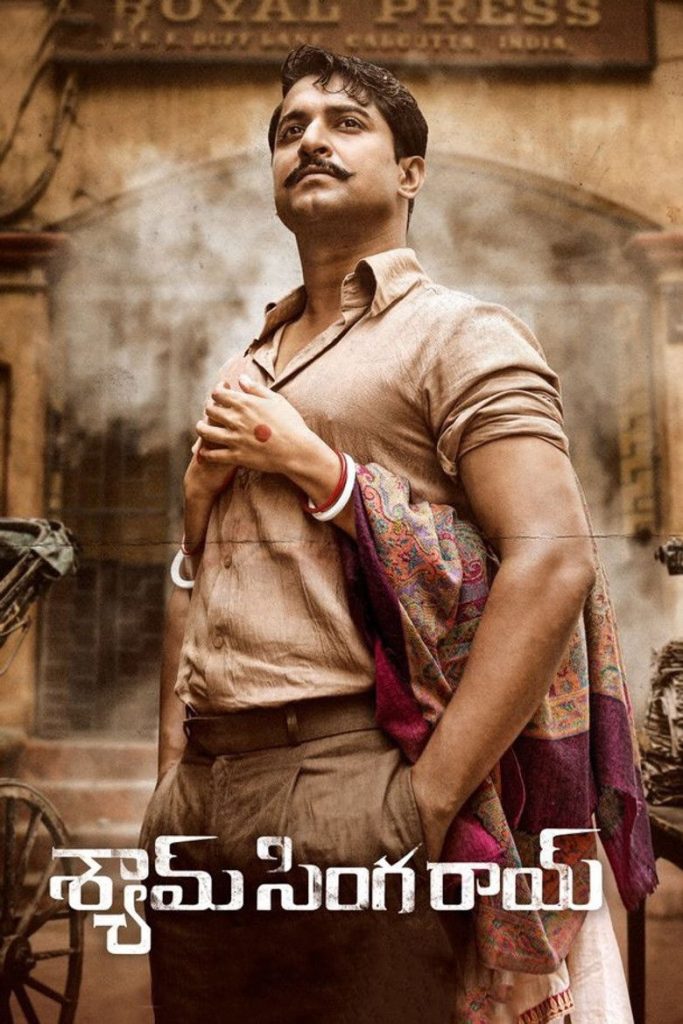
Shyam Singha Roy is a 2021 Indian Telugu-language romantic thriller drama about a young filmmaker facing a career crisis who discovers that the solution lies in uncovering secrets from the past. The film blends elements of romance, suspense, and drama as it explores themes of identity, destiny, and artistic struggle through parallel timelines.
Parent Guide
A complex romantic thriller with mature themes, best for older teens and adults. The TV-MA rating reflects moderate violence, intense emotional content, and some suggestive material.
Content breakdown
Contains fight scenes, physical confrontations, and perilous situations. Some sequences show characters in danger, with implied threats and tense moments. No extreme gore, but there are scenes of struggle and conflict.
Includes suspenseful and tense sequences, some supernatural or mystical elements that might be unsettling, and emotional intensity around themes of identity crisis and past trauma. The thriller aspects create atmospheric tension.
Minimal strong language. Some emotional exchanges and dramatic dialogue, but no pervasive profanity. Cultural context may include expressions in Telugu that don't translate directly to English profanity.
Contains romantic scenes with kissing and embracing, some suggestive dialogue, and themes of love and relationships. No explicit nudity or graphic sexual content, but relationships are a central plot element.
No notable depiction of substance use, smoking, or drinking as central to the plot. Social drinking may appear in background scenes typical of adult social settings.
High emotional stakes with themes of identity crisis, artistic struggle, romantic conflict, and suspenseful revelations. Characters experience significant emotional turmoil, and the parallel timeline structure adds complexity to emotional engagement.
Parent tips
This film is rated TV-MA for mature audiences. It contains moderate violence, some intense emotional scenes, and thematic elements that may be too complex for younger viewers. Best suited for teens and adults who can handle suspenseful sequences and mature relationship dynamics.
Parent chat guide
Parent follow-up questions
—
—
—
- What did you think about how the film handled the concept of reincarnation or past lives?
- How did the thriller elements affect your viewing experience?
- What did you notice about the cultural aspects shown in the film?
- Were there any scenes that made you uncomfortable or that you'd like to discuss further?
🎭 Story Kernel
At its heart, 'Shyam Singha Roy' explores the moral weight of identity and the relentless pursuit of justice across lifetimes. The film delves into whether one's soul can inherit unresolved trauma, driving Vasudev to uncover Shyam's past not as mere curiosity but as a compulsion to right historical wrongs. It questions if reincarnation is a spiritual phenomenon or a psychological burden, emphasizing how systemic oppression in the 1970s mirrors contemporary struggles, making the characters' motivations a blend of personal redemption and societal accountability. The narrative avoids simplistic resolutions, instead presenting justice as a complex, iterative process that transcends individual existence.
🎬 Visual Aesthetics
The film employs a stark visual dichotomy: the 1970s segments are bathed in warm, earthy tones with soft lighting, evoking a nostalgic yet oppressive rural Bengal, while the present-day scenes use cooler, sharper contrasts to highlight modern legal battles. Camera work shifts from steady, wide shots in historical flashbacks to dynamic, handheld movements during courtroom sequences, amplifying tension. Symbolism is subtle but effective, such as the recurring use of fire representing both destruction and purification, and the contrast between confined indoor spaces and open landscapes mirroring the characters' internal conflicts versus their quest for freedom.
🔍 Details & Easter Eggs
💡 Behind the Scenes
The film faced production challenges due to COVID-19 delays, with portions shot in authentic locations across West Bengal to capture the 1970s era accurately. Actor Nani, who plays both Vasudev and Shyam, underwent significant physical transformation and dialect training for the dual roles, while Sai Pallavi's performance as Maitreyi involved learning traditional dance forms. Director Rahul Sankrityan drew inspiration from real-life legal cases and Bengali folklore, blending them into the narrative to enhance its cultural authenticity and emotional depth.
Where to watch
Choose region:
- Netflix
- Netflix Standard with Ads
- Amazon Video