
Side Effects (2013)
Story overview
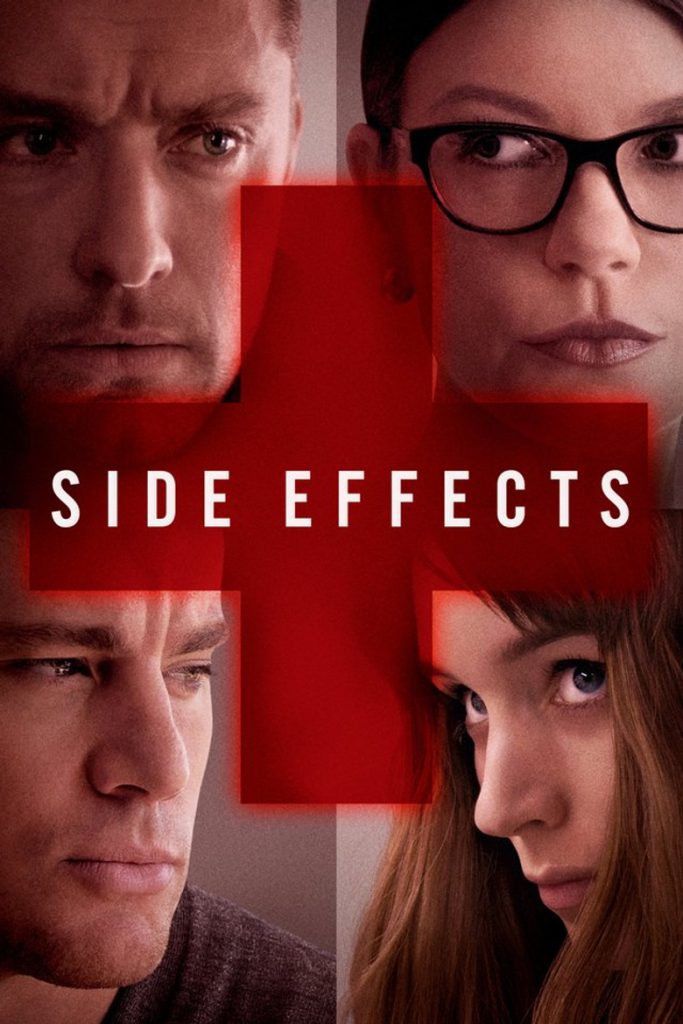
Side Effects is a 2013 psychological thriller directed by Steven Soderbergh. The film follows Emily Taylor (Rooney Mara), a young woman struggling with severe anxiety as her husband (Channing Tatum) prepares to be released from prison. She begins taking prescription medication under the care of psychiatrist Dr. Jonathan Banks (Jude Law), but unexpected side effects lead to tragic consequences, unraveling a complex web of deception, corporate intrigue, and psychological manipulation. The story explores themes of mental health treatment, pharmaceutical ethics, and the blurred lines between victim and perpetrator.
Parent Guide
This psychological thriller contains mature content including strong language, sexual situations, violence, and intense psychological themes. The R rating reflects material suitable for viewers 17 and older. The complex plot involving prescription drug abuse, mental health crises, and corporate manipulation requires emotional maturity to process.
Content breakdown
Contains a stabbing scene with blood, though not excessively graphic. Several tense scenes involving psychological peril and manipulation. A character experiences a mental health crisis that leads to violence. Some blood shown in medical/psychiatric contexts.
Psychological tension throughout with disturbing themes of mental illness, manipulation, and betrayal. Scenes depicting anxiety attacks, depression, and psychiatric treatment may be unsettling. The film creates a pervasive sense of unease and features plot twists that reveal disturbing motivations.
Frequent strong language including f-words, s-words, and other profanity. Language is used in emotional contexts throughout the film.
Sexual situations including a married couple in bed (partial nudity shown). Some passionate kissing. Sexual themes are present but not explicit. The film includes discussion of sexual relationships as part of character development.
Central theme involves prescription drug use and abuse. Multiple scenes show characters taking medication, discussing side effects, and experiencing drug-related consequences. Depiction of psychiatric medication is a key plot element throughout.
High emotional intensity dealing with anxiety, depression, betrayal, and moral ambiguity. Characters experience significant psychological distress. The film maintains suspense and explores dark emotional territory that may be overwhelming for sensitive viewers.
Parent tips
This R-rated thriller contains mature themes unsuitable for younger viewers. Parents should be aware of: 1) Strong psychological tension and disturbing scenes involving mental health crises, 2) Moderate violence including a stabbing and blood, 3) Sexual content including partial nudity and sexual situations, 4) Strong language throughout, 5) Frequent depiction of prescription drug use and abuse, 6) Complex ethical dilemmas that may require discussion with older teens. The film's intricate plot and dark themes make it most appropriate for mature high school students.
Parent chat guide
Parent follow-up questions
—
—
—
- What did you think about how the film showed people dealing with anxiety and depression?
- How did you feel about the way medications were portrayed in the story?
- What moments in the movie made you feel most uncomfortable or tense, and why?
- Do you think the ending was fair to all the characters? Why or why not?
- What did you learn about how small choices can lead to big consequences?
🎭 Story Kernel
At its core, 'Side Effects' explores the commodification of mental health and the manipulation of medical systems for personal gain. The film presents a world where pharmaceuticals are both treatment and weapon, where diagnosis can be performance, and where the line between patient and predator blurs. Emily's depression becomes a stage for deception, while Dr. Banks' professional ethics are systematically dismantled by corporate and legal machinery. The driving force isn't mystery but exploitation—of trust, of systems, and of genuine suffering for calculated ends. It's less about whodunit than about how easily our healthcare structures can be hijacked by those who understand their weaknesses.
🎬 Visual Aesthetics
Soderbergh employs a clinical, detached visual style that mirrors the film's themes of medical objectivity and emotional distance. The color palette shifts from warm, intimate tones during Emily's 'depressed' states to cold, sterile blues and grays in hospital and corporate settings. Camera work is deliberately unflashy—static shots in therapy sessions create a sense of observation, while precise framing during pivotal moments (like the bathroom murder) feels almost documentary-like. The visual language suggests we're watching a case study rather than a traditional thriller, with compositions that often trap characters within frames, mirroring their psychological and legal entrapments.
🔍 Details & Easter Eggs
💡 Behind the Scenes
This was Steven Soderbergh's announced final theatrical film before his 'retirement' (which proved temporary). Rooney Mara prepared by spending time with individuals diagnosed with depression and anxiety, while Channing Tatum researched hedge fund culture for his character. The film's New York locations were chosen for their generic, corporate feel to emphasize the story's universality. Screenwriter Scott Z. Burns drew from research about pharmaceutical marketing practices, particularly how drugs are promoted directly to consumers.
Where to watch
Choose region:
- Netflix
- Amazon Prime Video
- Netflix Standard with Ads
- Amazon Prime Video with Ads
- Shout! Factory Amazon Channel
- The Roku Channel
- Pluto TV
- Shout! Factory TV
- Tubi TV
- Amazon Video
- Apple TV Store
- Google Play Movies
- YouTube
- Fandango At Home
Trailer
Trailer playback is unavailable in your region.