Sidewalk Stories (1989)
Story overview
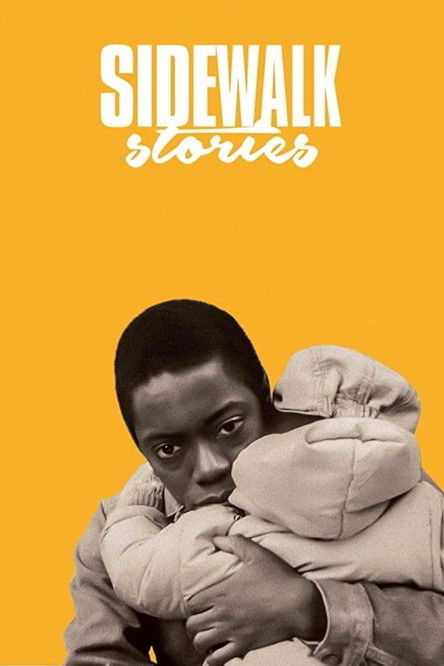
Sidewalk Stories is a 1989 silent comedy film set in New York City. A street artist witnesses a murder and rescues the victim's baby daughter. He embarks on a journey to find the child's mother while learning to care for the infant, culminating in a horse-drawn carriage chase to catch the killers.
Parent Guide
A silent comedy with mature themes including murder and urban violence. Best suited for teenagers who can understand the context of the violence and appreciate the unique silent film format.
Content breakdown
Contains a murder scene (off-screen but implied), a horse-drawn carriage chase with peril, and general urban danger themes. No graphic gore, but the violence drives the plot.
The murder premise and chase sequences may be tense for younger viewers. The silent format reduces auditory scares, but the visual storytelling creates suspense.
This is a silent film with no spoken dialogue. Any written text (like title cards) contains no offensive language.
No sexual content or nudity present in the film.
No depiction of substance use or references to drugs/alcohol.
Emotional themes include loss of a parent, responsibility for a child, and pursuit of justice. The silent format may intensify emotional engagement through visual storytelling.
Parent tips
This film is rated R primarily for violence and mature themes. It's a silent film with minimal dialogue, which may require more attention from younger viewers. The murder scene and chase sequences contain moderate violence. The film explores themes of responsibility, compassion, and urban life through a comedic lens.
Parent chat guide
Parent follow-up questions
- What did you think about the baby in the movie?
- How did the artist take care of the baby?
- What was your favorite part of the chase scene?
- Why do you think the artist decided to help the baby?
- How did he learn to take care of a child?
- What would you do if you saw someone in trouble like he did?
- What does this film say about responsibility toward strangers?
- How does the silent format affect how you understand the story?
- Why do you think the director chose to make this film without dialogue?
- How does this film comment on urban isolation and community?
- What social themes are explored through the protagonist's journey?
- How does the silent film technique enhance or limit the storytelling?
🎭 Story Kernel
At its core, 'Sidewalk Stories' is a poignant exploration of humanity stripped bare by urban indifference. The film's silent format isn't just an artistic choice—it's the ultimate metaphor for how society renders the homeless invisible and voiceless. The Artist's journey isn't about finding wealth or romance, but about discovering what remains of human connection when everything else has been taken. His silent struggle to protect the child becomes a universal language of compassion that transcends the noise of the city. The ending—where he loses the child to the system—isn't defeat, but a brutal commentary on how society's structures often perpetuate the very suffering they claim to alleviate.
🎬 Visual Aesthetics
The black-and-white cinematography does more than evoke silent film nostalgia—it creates a stark moral landscape where every shadow speaks. Charles Lane's camera lingers on textures: cracked pavement, worn shoes, weathered faces, making poverty tactile. The 16mm grain gives the film a documentary urgency, blurring the line between fiction and street reality. Notable is how the camera often observes from a distance, mirroring how society views the homeless—as background characters in someone else's story. The few moments of close-up intimacy (like the Artist feeding the child) become visual oases in an otherwise harsh urban desert.
🔍 Details & Easter Eggs
💡 Behind the Scenes
Charles Lane not only directed and starred in the film but also funded it with credit cards and shot it guerrilla-style on New York streets without permits. The child actor, Nicole Alysia, was actually Lane's daughter, explaining their natural on-screen chemistry. Lane intentionally cast mostly non-actors from homeless shelters for authenticity. The film's $200,000 budget was microscopic even for 1989, yet it won critical acclaim at Cannes. Lane's decision to make it silent came from observing how people ignore homeless individuals as if they were mute.
Where to watch
Choose region:
- HBO Max
- HBO Max Amazon Channel
- Fandango at Home Free
Trailer
Trailer playback is unavailable in your region.