
Silenced (2011)
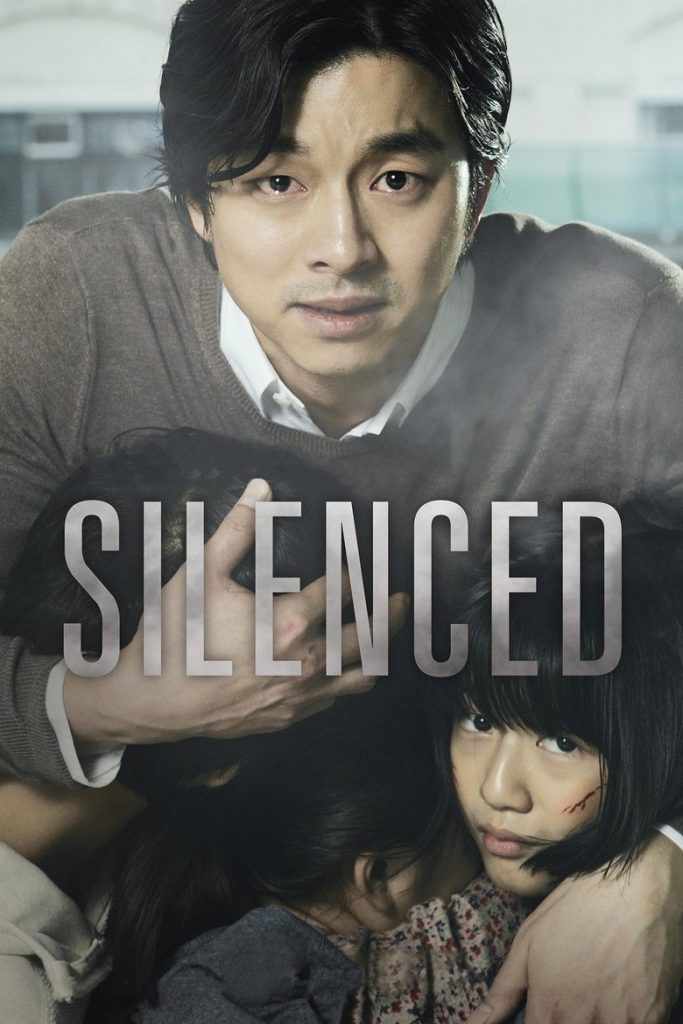
Story overview
Silenced is a 2011 Korean drama film based on true events. The story follows a teacher who discovers disturbing abuses at a school for hearing-impaired children. The film explores themes of injustice, corruption, and the struggle for truth in the face of systemic failure. It serves as a powerful social commentary on the protection of vulnerable individuals.
Parent Guide
Mature drama dealing with serious themes of abuse and corruption. Requires parental guidance for all viewers under 18.
Content breakdown
References to abuse and violence against children, though not graphically depicted. Emotional peril and threat situations.
Disturbing themes of child abuse, trauma, and institutional failure. Emotionally intense scenes that may be upsetting.
General dramatic dialogue. No excessive profanity expected in this type of film.
References to sexual abuse, though not explicitly depicted. Mature themes requiring discussion.
No notable substance use depicted.
High emotional intensity throughout. Themes of injustice, trauma, and moral conflict.
Parent tips
This film deals with mature themes of child abuse, institutional corruption, and trauma. While not graphically violent, the emotional content is intense and may be deeply disturbing for younger viewers. The subject matter requires parental guidance and discussion about difficult real-world issues. Consider the emotional maturity of your child before viewing.
Parent chat guide
Parent follow-up questions
- What does it mean to be a good friend?
- How can we help people who need it?
- Who are the grown-ups we can trust when we need help?
- What does fairness mean to you?
- Why is it important to tell the truth even when it's hard?
- How can we make sure everyone feels safe and respected?
- What responsibilities do adults have to protect children?
- How can systems fail vulnerable people, and what can be done about it?
- What does courage look like in difficult situations?
- How does the film comment on social justice and institutional accountability?
- What ethical dilemmas do the characters face, and how do they resolve them?
- How can art raise awareness about important social issues?
🎭 Story Kernel
At its core, 'Silenced' is a brutal indictment of systemic failure, not just individual evil. The film's true antagonist is the interconnected web of institutional apathy—corrupt administrators, complicit police, and a legal system that values reputation over justice. The protagonists are driven not by heroism but by a desperate, often naive, belief that truth should be enough. Their journey reveals how that belief is systematically dismantled by bureaucracy and social pressure. The children's motivations are stripped to the primal: survival and the faint hope that someone will finally listen. The film expresses the profound violence of being unheard and the institutional machinery designed to ensure that silence.
🎬 Visual Aesthetics
The visual language is one of oppressive claustrophobia and stark contrast. The school, a supposed haven, is filmed with cold, sterile blues and grays, its corridors feeling like prison blocks. This contrasts sharply with the warm, muted tones of the children's memories and fantasies, highlighting the theft of their innocence. The camera often adopts a child's-eye view, making adult figures loom threateningly. Key scenes use jarring, abrupt cuts and unsettling close-ups on faces during moments of trauma or denial, forcing the viewer into uncomfortable intimacy. There's a deliberate lack of stylized violence; assaults are often implied through sound and reaction shots, making the horror more psychological and pervasive.
🔍 Details & Easter Eggs
💡 Behind the Scenes
The film is based on the 2005 novel 'The Crucible', which was itself inspired by real-life events of mass sexual abuse at Gwangju Inhwa School for the deaf in the early 2000s. This connection sparked massive public outrage in South Korea upon the film's 2011 release, leading directly to the 'Dogani Law' (named after the Korean title of the film), which abolished the statute of limitations for sex crimes against minors and the disabled. Actor Gong Yoo, who plays the teacher, reportedly advocated fiercely for the film's production after reading the source material. Much of the school filming used actual, decommissioned institutional buildings to enhance the authentic, bleak atmosphere.
Where to watch
Choose region:
- Netflix
- Netflix Standard with Ads
- Tubi TV
Trailer
Trailer playback is unavailable in your region.