
Silent (2014)
Story overview
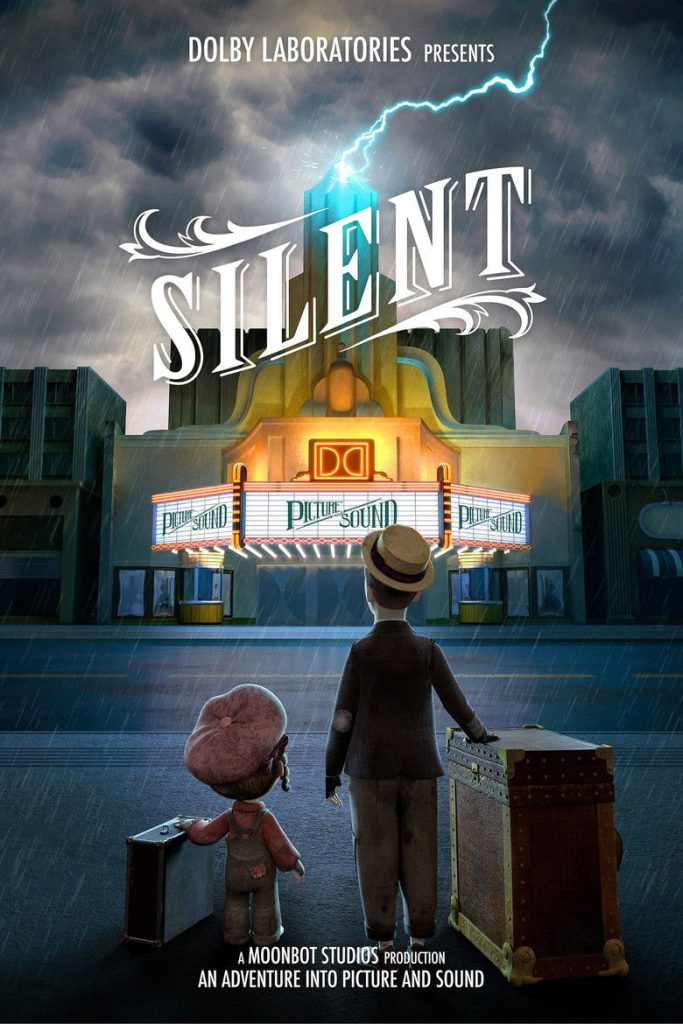
Silent (2014) is a short animated adventure film that creatively explores the magic of cinema through the eyes of two street performers. The film demonstrates how visual elements and sound design work in harmony to create engaging storytelling experiences, making it an educational and imaginative journey into filmmaking basics.
Parent Guide
A completely safe, educational short film with no concerning elements. Perfect for all ages as an introduction to how movies work.
Content breakdown
No violence, conflict, or perilous situations. The film focuses entirely on creative demonstration.
Nothing scary or disturbing. The animation is gentle and educational in nature.
No dialogue or language used in the film.
No sexual content or nudity of any kind.
No depiction or reference to substance use.
Very low emotional intensity. The tone is educational and mildly celebratory of creativity.
Parent tips
This 3-minute animated short is perfect for introducing young children to how movies are made. Its educational focus on cinema mechanics makes it suitable for family viewing, with no concerning content. Consider watching it before a longer film to discuss how sound and visuals work together.
Parent chat guide
Parent follow-up questions
- Which part was your favorite to watch?
- What sounds did you hear in the movie?
- Can you make a sound like something in the movie?
- How do you think the performers made the pictures and sounds match?
- What would you add to make the movie even better?
- Why is it important for sounds and pictures to work together in movies?
- What techniques did the film use to show how cinema works?
- How might this short film inspire someone to make their own movies?
- What other art forms combine different elements like sound and visuals?
- How does this film demonstrate basic film theory concepts?
- What historical film techniques might this be referencing?
- How could the themes of collaboration in art apply to other creative fields?
🎭 Story Kernel
At its core, 'Silent' explores the terrifying vulnerability of sensory deprivation in a world designed for the hearing. The protagonist's deafness isn't portrayed as a disability but as a different way of experiencing danger—where visual cues become survival tools and vibrations carry threats. The film subverts typical horror tropes by making silence the predator's advantage, then flipping it to become the heroine's sharpest weapon. It's less about overcoming a limitation and more about navigating a world that refuses to accommodate difference, turning everyday environments into labyrinths of unseen threats. The tension derives from our shared understanding of how much we rely on sound for safety.
🎬 Visual Aesthetics
The cinematography masterfully adopts the protagonist's perspective through selective sound design and visual focus. Scenes often frame threats just outside her line of sight, using shallow depth of field to mimic her concentrated visual scanning. The color palette shifts from warm, safe yellows in secure spaces to cold, clinical blues during danger sequences. Camera movements become jerky and disorienting during attack scenes, mirroring her panic without auditory cues. Most strikingly, the film uses complete sound drops during her perspective shots, forcing viewers to experience her reality—making us read lips alongside her and notice the visual details she must rely on for survival.
🔍 Details & Easter Eggs
💡 Behind the Scenes
The lead actress learned American Sign Language for six months prior to filming and worked with deaf consultants to ensure authentic representation. Most interior scenes were shot in a single converted warehouse in Toronto, with the production design team creating both the apartment and supermarket sets within the same space. The director implemented a 'silent day' on set where crew communicated only through written notes and gestures to better understand the protagonist's experience. Interestingly, several hearing actors in supporting roles are actually children of deaf adults, bringing personal understanding to their interactions.
Where to watch
Choose region:
- Netflix
- Netflix Kids
- Netflix Standard with Ads