
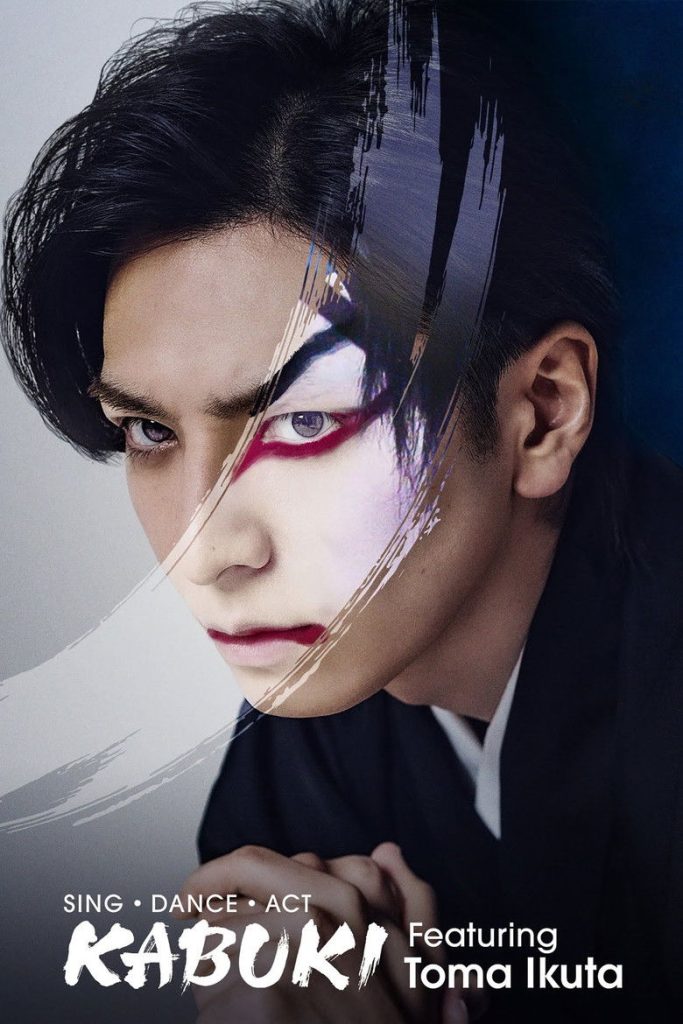
Sing, Dance, Act: Kabuki featuring Toma Ikuta (2022)
Story overview
This 2022 Japanese documentary follows actor Toma Ikuta as he prepares for his debut performance in traditional kabuki theater, guided by his longtime friend and experienced kabuki actor Matsuya Onoe. The film explores the rigorous training, cultural heritage, and artistic dedication behind this classical Japanese performing art form, offering insights into the discipline and soul required to master kabuki.
Parent Guide
A culturally enriching documentary suitable for most families, focusing on artistic dedication, friendship, and Japanese cultural heritage. The TV-PG rating reflects its educational nature and potential for subtitles that younger children may find challenging.
Content breakdown
No violence or peril depicted. The film focuses entirely on artistic training and performance preparation.
Nothing scary or disturbing. Some kabuki makeup and dramatic expressions might be intense for very young children but are presented in an artistic context.
No offensive language. The documentary is in Japanese with subtitles, featuring respectful dialogue about art and training.
No sexual content or nudity. Actors are shown in traditional costumes and training attire appropriate for the context.
No depiction of substance use. The focus is entirely on artistic discipline and cultural practice.
Mild emotional moments related to performance anxiety, dedication to craft, and the pressure of learning a traditional art form. Positive themes of friendship and accomplishment balance any tension.
Parent tips
This documentary provides an excellent opportunity to introduce children to traditional Japanese culture and performing arts. Parents can discuss the value of discipline, practice, and cultural preservation. The film's focus on friendship and mentorship offers positive relationship models. Since it's in Japanese with subtitles, younger children may need help reading or parents can summarize key moments.
Parent chat guide
Parent follow-up questions
- Did you like the colorful costumes?
- What was your favorite part of the dancing?
- How do you think the actors learned to move like that?
- What makes kabuki theater special compared to other performances?
- How did Toma Ikuta feel about learning something completely new?
- What role did Matsuya Onoe play in helping his friend?
- What cultural values does kabuki theater represent?
- How does the documentary show the importance of practice and discipline?
- What challenges might someone face when learning a traditional art form?
- How does this documentary explore the tension between tradition and modernity?
- What does the film suggest about cultural identity and artistic expression?
- How does the mentorship relationship reflect broader themes in Japanese culture?
🎭 Story Kernel
The film's core is not a simple 'artist overcomes challenges' narrative. It expresses the profound tension between being a vessel for a 400-year-old art form and asserting one's contemporary identity. Toma Ikuta's drive stems from a dual burden: the immense weight of kabuki's legacy and the personal need to make it resonate for a modern audience. His journey reveals that true mastery isn't about perfect imitation, but about internalizing tradition so completely that one's own spirit becomes its new, living expression. The real conflict is internal—negotiating reverence with the inevitable imprint of self.
🎬 Visual Aesthetics
The cinematography masterfully employs contrast. Rehearsal spaces are shot with a stark, documentary realism—gritty floors, harsh fluorescent lights—emphasizing the grueling, unglamorous work. This sharply cuts to the stage, where the camera becomes fluid and theatrical, bathing Ikuta in dramatic, painterly lighting and rich colors like vermilion and gold. This visual dichotomy doesn't just show 'behind the scenes'; it visually argues that the ethereal beauty of performance is born from tangible, almost brutal, physical discipline. Close-ups on Ikuta's eyes and hands during transformation sequences are particularly potent, tracking the moment craft becomes art.
🔍 Details & Easter Eggs
💡 Behind the Scenes
Toma Ikuta, primarily known as a popular television and film actor, undertook this kabuki role as a special project, marking a significant and risky departure from his mainstream work. The production involved intense, months-long training with veteran kabuki masters, a process rarely documented with such intimacy. Filming took place at the historic Kabuki-za Theatre in Tokyo and in dedicated rehearsal studios, with the crew granted unusual access to capture the traditionally private preparatory rituals. Ikuta's own vocal training for the distinctive kabuki delivery style was a major focus, highlighting the physicality of the art form often overlooked by audiences.
Where to watch
Choose region:
- Netflix
- Netflix Standard with Ads
Trailer
Trailer playback is unavailable in your region.