
Sing Sing (2024)
Story overview
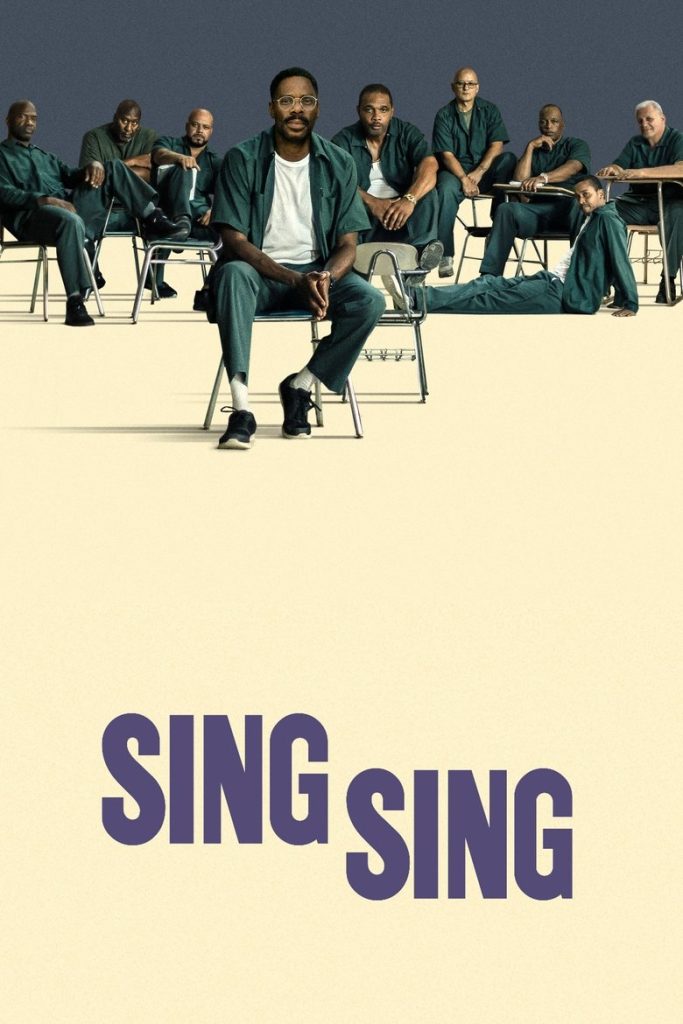
Sing Sing is a 2024 drama film that explores themes of incarceration and rehabilitation. The story follows individuals within the prison system as they navigate personal growth and challenges. It examines human resilience and the pursuit of redemption in difficult circumstances.
Parent Guide
This R-rated drama contains mature themes appropriate for older teens and adults. Parents should preview or research specific content before deciding if suitable for their family.
Content breakdown
May include scenes of conflict or tension within prison settings.
Contains serious dramatic situations that could be emotionally intense.
Likely includes strong language consistent with R rating.
May contain limited references or situations.
Could include references to substance use.
Deals with heavy themes that may be emotionally challenging.
Parent tips
This film is rated R, indicating content that may be inappropriate for children under 17 without parental guidance. The R rating suggests the film contains mature material that could include strong language, violence, or other adult themes. Parents should consider their child's maturity level and ability to handle serious dramatic content before viewing.
Parent chat guide
Parent follow-up questions
- What did you notice about how the people in the movie treated each other?
- How did the characters show they cared about someone?
- What would you do if you saw someone feeling sad like in the movie?
- What did you think about the choices the characters made in the story?
- How did the characters show they wanted to change or improve?
- What does it mean to give someone a second chance?
- What challenges did the characters face in trying to change their lives?
- How did the setting of the story affect the characters' experiences?
- What did you learn about how people can support each other through difficult times?
- How does the film portray the balance between accountability and rehabilitation?
- What systemic factors might contribute to the situations shown in the film?
- How does the film explore themes of redemption and personal transformation?
🎭 Story Kernel
Sing Sing transcends the typical prison drama by focusing on the transformative power of the Rehabilitation Through the Arts (RTA) program. At its core, the film explores the radical act of vulnerability within a hyper-masculine, carceral environment. It isn't just about putting on a play; it’s about the reclamation of identity and agency for men whom society has discarded. Through the protagonist Divine G and the newcomer Divine Eye, the narrative examines the friction between the roles these men are forced to play for survival and the authentic selves they rediscover through performance. The story posits that art is not a luxury but a vital necessity for psychological survival, offering a space where the walls dissolve and the imagination provides a temporary, yet profound, liberation from the physical constraints of their reality.
🎬 Visual Aesthetics
Director Greg Kwedar and cinematographer Pat Scola opted to shoot on 16mm film, which imbues the visuals with a tactile, grain-heavy intimacy that mirrors the raw humanity of the subjects. The aesthetic avoids the desaturated, cold cliches of prison cinema, instead utilizing a warm, naturalistic palette that highlights the textures of skin and the expressive faces of the ensemble. The framing often favors close-ups, capturing the subtle micro-expressions of men learning to lower their emotional guards. This visual proximity creates a sense of shared breath between the audience and the performers. Symbolically, the contrast between the cramped, gray corridors of the facility and the vibrant, chaotic energy of the rehearsal room serves as a visual metaphor for the psychological sanctuary that art provides, turning a site of punishment into a space of creative gestation.
🔍 Details & Easter Eggs
💡 Behind the Scenes
Sing Sing was developed over several years by Greg Kwedar and Clint Bentley, who volunteered with the RTA program before filming. The production employed a unique community-based financial model where every cast and crew member, from lead actor Colman Domingo to the background performers, was paid the same rate and shared in the film's equity. This egalitarian approach mirrored the collaborative spirit of the theater program itself. Additionally, the film was shot on location at the decommissioned Downstate Correctional Facility and around the actual Sing Sing, ensuring the environment felt oppressive yet grounded in reality.
Where to watch
Choose region:
- HBO Max
- HBO Max Amazon Channel
- History Vault
- Cinemax Amazon Channel
- Cinemax Apple TV Channel
- Amazon Video
- Apple TV
- Google Play Movies
- YouTube
- Fandango At Home
Trailer
Trailer playback is unavailable in your region.