
Sing Street (2016)
Story overview
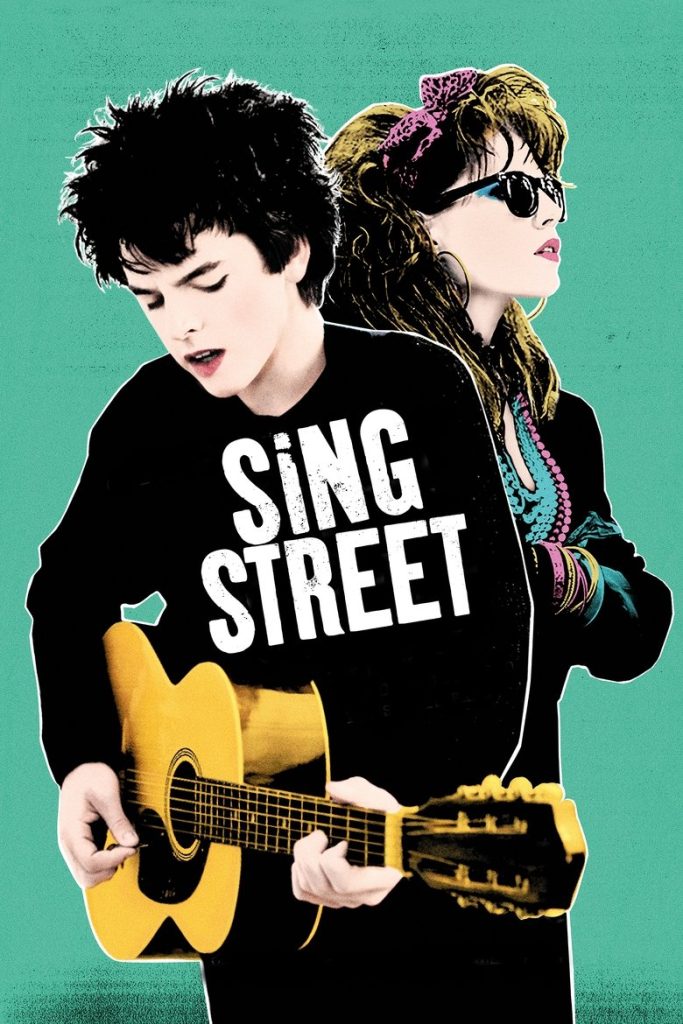
Sing Street is a 2016 coming-of-age musical comedy-drama set in 1980s Dublin. It follows a teenage boy who starts a band to impress a girl, navigating family struggles, school life, and creative aspirations. The film celebrates music, friendship, and youthful rebellion against a backdrop of economic hardship.
Parent Guide
A heartwarming musical coming-of-age story with mild mature themes suitable for most families with children 12 and up.
Content breakdown
Minor schoolyard confrontations and one brief physical altercation between teens. Some tense family arguments but no graphic violence.
Emotional family conflicts and economic hardship themes might be concerning for sensitive younger viewers. No horror or intense frightening scenes.
Occasional mild profanity and insults consistent with PG-13 rating. No frequent strong language.
Teen romantic themes including kissing and mild flirtation. Some suggestive dance moves in music videos. No nudity or explicit sexual content.
Brief background smoking by adult characters. No underage drinking or drug use shown.
Family conflict, parental separation, economic stress, and teenage insecurity create emotional weight balanced by uplifting musical moments.
Parent tips
Sing Street is a charming and uplifting film suitable for most families with older children and teens. Its PG-13 rating primarily reflects some mature themes like family conflict, mild language, and romantic elements rather than intense content. Parents should note that the film portrays teenage rebellion, including school disobedience and minor confrontations with authority figures, which could prompt discussions about responsibility and creative expression.
The movie's positive messages about perseverance, artistic passion, and supportive friendships outweigh its mild mature elements. The musical sequences are energetic and nostalgic, though some song lyrics contain mild romantic references. This film provides excellent opportunities to discuss 1980s culture, economic challenges, and how art can help people cope with difficult circumstances.
Parent chat guide
You might explore how music helped the characters communicate feelings they couldn't express otherwise. For older viewers, conversations could extend to the historical context of 1980s Ireland and how economic conditions affected families. Emphasize the film's message that collaboration and friendship can help overcome personal obstacles.
Parent follow-up questions
- What was your favorite song in the movie?
- Did you like the band's colorful clothes?
- How did the friends help each other?
- What instruments did you see?
- Was there anything that made you laugh?
- Why do you think Conor started the band?
- How did the characters show they were good friends?
- What challenges did Conor face at school and home?
- How did music help the characters express themselves?
- What did you think about the 1980s fashion and hairstyles?
- How did economic difficulties affect the characters' lives?
- What positive and negative aspects of teenage rebellion did the film show?
- How did the band members support each other's creativity?
- What did you think about the way the film portrayed first love?
- How did the characters balance school responsibilities with their musical passions?
- How did the film use music to comment on social and economic conditions?
- What did you think about the portrayal of family dynamics and parental struggles?
- How did the film handle themes of artistic integrity versus commercial success?
- What contemporary parallels can you draw to the characters' experiences?
- How did the film balance nostalgic elements with universal coming-of-age themes?
🎭 Story Kernel
At its core, 'Sing Street' explores the transformative power of artistic creation as a means of survival in oppressive circumstances. Conor's journey isn't just about forming a band to impress a girl—it's about constructing an identity when your environment offers none. The crumbling Dublin of 1985 mirrors his family's disintegration, making music videos not entertainment but essential blueprints for a better life. Each song becomes a manifesto against economic despair and domestic dysfunction, with the band serving as a makeshift family that actually functions. The film argues that sometimes the most authentic response to a broken world is to invent a better one through art, even if that world exists primarily in your imagination and on VHS tape.
🎬 Visual Aesthetics
The film masterfully employs a dual visual language: the gritty, desaturated reality of 1980s Dublin contrasts sharply with the vibrant, stylized music video sequences. Director John Carney uses handheld camerawork for the 'real world' scenes, creating a documentary-like intimacy, while the fantasy sequences borrow from 80s MTV aesthetics with deliberate artificiality. The color palette shifts from concrete grays and institutional greens to neon pinks and electric blues during musical moments. This visual dichotomy isn't just stylistic—it visually represents Conor's psychological escape. The school's oppressive architecture literally frames characters in doorways and windows, while the music videos break these confines with dynamic movement and impossible locations.
🔍 Details & Easter Eggs
💡 Behind the Scenes
The film's authenticity stems from writer-director John Carney's own experiences growing up in 1980s Dublin and forming bands as a teenager. Many scenes were shot at his actual alma mater, Synge Street CBS, lending the school sequences particular verisimilitude. The actors learned to play their instruments and performed live on set rather than miming to prerecorded tracks. Ferdia Walsh-Peelo (Conor) had never acted professionally before but was cast partly because he could sing. The film's budget was just $3 million, forcing creative solutions that ironically enhanced its DIY aesthetic, mirroring the band's own resourcefulness within the story.
Where to watch
Choose region:
- Netflix
- Amazon Video
- Apple TV
- Google Play Movies
- YouTube
- Fandango At Home
Trailer
Trailer playback is unavailable in your region.