
Singin’ in the Rain (1952)
Story overview
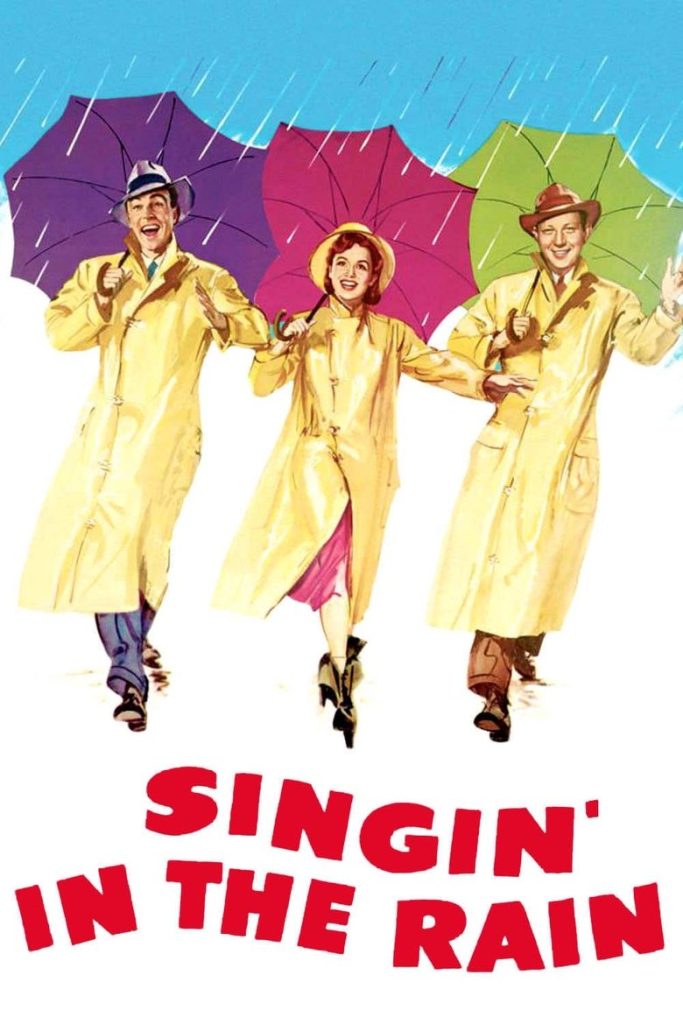
Set in 1927 Hollywood during the transition from silent films to 'talkies,' this classic musical follows a popular silent film star who faces professional challenges with his demanding co-star while discovering romance with a talented young performer. The film humorously portrays the chaos and technical difficulties of early sound recording in cinema. Through spectacular song-and-dance numbers and lighthearted comedy, it celebrates the joy of entertainment and creative adaptation to changing times.
Parent Guide
A wholesome classic musical with no concerning content, suitable for most children who can follow the historical context.
Content breakdown
No violence or peril; some mild physical comedy during dance sequences.
Nothing scary or disturbing; all content is lighthearted and cheerful.
No offensive language; dialogue is clean and appropriate for all ages.
No sexual content or nudity; romantic elements are very mild and chaste.
No substance use depicted; characters may toast with champagne in one celebratory scene.
Mild emotional moments related to career challenges and romantic feelings, all resolved positively.
Parent tips
This G-rated classic musical is generally appropriate for most children, featuring no concerning content. The film's humor revolves around the technical mishaps of early sound recording and exaggerated Hollywood personalities, which may require some explanation for younger viewers unfamiliar with film history. Some dance sequences involve energetic physical comedy that could inspire imitation, so ensure viewing space is clear.
Parents should note that the film portrays 1920s gender roles and workplace dynamics that differ from contemporary norms, which could prompt discussions about how times have changed. The romantic elements are very mild and chaste by modern standards, consisting primarily of singing and dancing together.
Parent chat guide
For older children, you might discuss the film's portrayal of artistic integrity versus commercial success, or how the movie comments on celebrity culture. With younger viewers, focus on the physical comedy and musical sequences, asking which songs they enjoyed most and why.
Parent follow-up questions
- Which dance scene did you like best?
- What was funny about the movie-making problems?
- How did the characters show they were happy?
- What sounds did you hear in the songs?
- Would you like to dance like the people in the movie?
- Why was it hard to make talking movies at first?
- How did the characters help each other solve problems?
- What made the singing and dancing scenes fun to watch?
- How were the friends in the movie different from each other?
- What would you do if you had to learn something new like they did?
- How does the film show the challenges of adapting to new technology?
- What does the movie suggest about honesty in relationships and work?
- How do the musical numbers help tell the story?
- What might be different if this story happened today?
- How do the characters balance their personal and professional lives?
- How does the film use comedy to comment on Hollywood's transition to sound?
- What does the movie suggest about authenticity versus performance in entertainment?
- How are gender roles portrayed compared to contemporary films?
- In what ways does the film celebrate artistic collaboration?
- How does the musical format enhance the story's themes of joy and adaptation?
🎭 Story Kernel
At its heart, 'Singin' in the Rain' explores the tension between genuine artistry and manufactured celebrity during Hollywood's seismic shift to sound. Don Lockwood's journey isn't just about adapting to new technology—it's about shedding the hollow glamour of his silent film persona to embrace his authentic self. The driving force isn't the microphone but the characters' search for truth in an industry built on illusion. Lina Lamont's voice becomes the perfect metaphor: her career depends on maintaining a facade that technology has rendered obsolete, while Kathy Selden represents the genuine talent that sound cinema demands. The film argues that technological progress ultimately rewards authenticity, not just star power.
🎬 Visual Aesthetics
The film's visual language masterfully contrasts Hollywood's manufactured glamour with moments of pure cinematic joy. Notice how the 'Broadway Melody' ballet shifts from saturated Technicolor spectacle to the stark, shadowy expressionism of Cyd Charisse's green-lit seduction scene—a visual representation of Hollywood's dual nature. Gene Kelly's iconic rain-soaked sequence uses practical effects (real water, carefully choreographed puddles) to create tangible euphoria. The camera often pulls back during musical numbers, emphasizing the physicality of dance over close-up glamour shots. Even the transition scenes use clever match cuts, like Don's spinning newspaper headlines, to maintain rhythmic momentum.
🔍 Details & Easter Eggs
💡 Behind the Scenes
Debbie Reynolds, only 19 during filming, said learning the dance routines was 'the hardest thing I ever did'—Gene Kelly reportedly worked her so mercilessly she once cried under a piano. The iconic rain sequence used a milk-water mixture to make the rain more visible on camera, and Kelly danced with a 103-degree fever during filming. Many songs were recycled from earlier MGM musicals ('Singin' in the Rain' itself dated from 1929), making the film both a celebration and a clever repurposing of Hollywood's musical history. The film was only a modest success upon release but gained classic status through television broadcasts.
Where to watch
Choose region:
- HBO Max
- HBO Max Amazon Channel
- Cinemax Amazon Channel
- TCM
- Cinemax Apple TV Channel
- Amazon Video
- Apple TV
- Google Play Movies
- YouTube
- Fandango At Home
- Spectrum On Demand
Trailer
Trailer playback is unavailable in your region.