
Sole Man (2015)
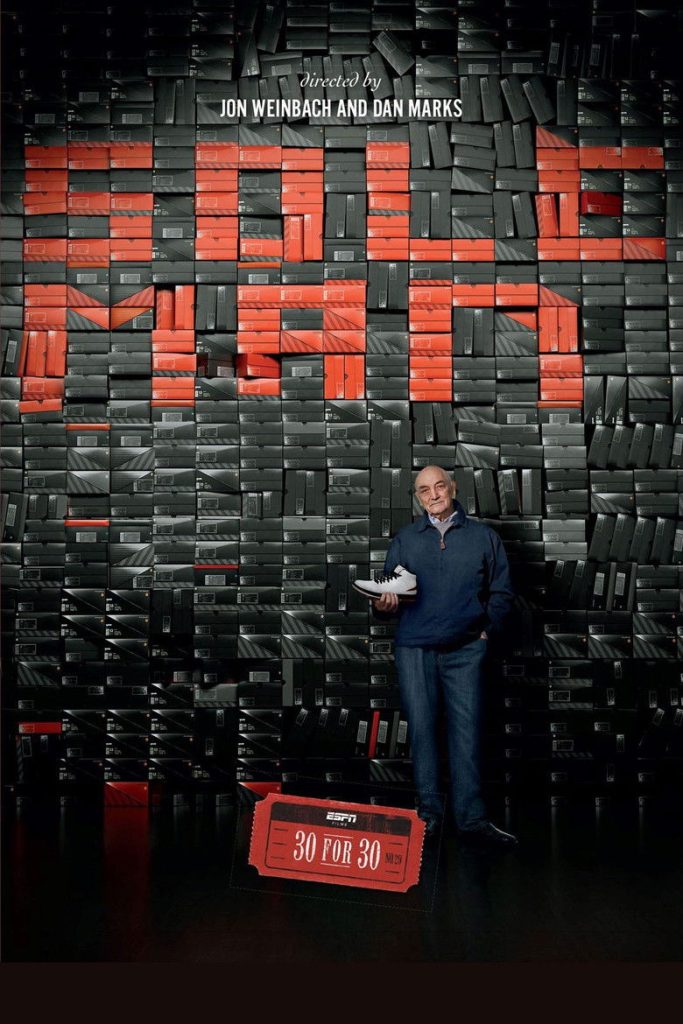
Story overview
This documentary chronicles the life of Sonny Vaccaro, a marketing executive who revolutionized the athletic shoe industry. It follows his journey from a modest Pennsylvania background to becoming a key figure in the multi-billion dollar business, focusing on his professional achievements and the business strategies behind major shoe brands.
Parent Guide
A business-focused documentary with no concerning content for children; suitable for ages 8 and up due to its educational value and mild themes.
Content breakdown
No violence, peril, or physical conflict depicted.
No scary, disturbing, or intense imagery; content is factual and business-oriented.
No offensive or strong language expected in this documentary.
No sexual content, nudity, or romantic themes.
No depiction of substance use, alcohol, or smoking.
Mild emotional intensity related to business challenges and personal ambition; no distressing scenes.
Parent tips
This documentary is suitable for children interested in business, sports, or entrepreneurship. It contains no violence, scary scenes, or inappropriate content, making it appropriate for most ages. Parents can discuss themes like ambition, marketing ethics, and the impact of sports on culture.
Parent chat guide
Parent follow-up questions
—
- What was your favorite part of the movie?
- What do you think Sonny's job was?
- Have you ever wanted to sell something like shoes?
- How did Sonny change the shoe industry?
- What does marketing mean to you?
- Do you think it's important to follow your dreams like Sonny did?
- What ethical questions might arise from Sonny's marketing strategies?
- How does this documentary reflect on consumer culture?
- What lessons about business and perseverance can you take from this story?
🎭 Story Kernel
At its core, 'Sole Man' explores the psychology of isolation and the weight of memory through a minimalist survival narrative. The protagonist, stranded after a desert vehicle failure, isn't just fighting dehydration and heat—he's confronting the accumulated baggage of a lifetime. His journey becomes a physical manifestation of shedding unnecessary burdens, both literal (as he discards possessions) and emotional. The film suggests that survival isn't about holding onto everything, but about discerning what truly sustains us when all comforts are stripped away. The ending reveals his ultimate choice wasn't between life and death, but between carrying his past or embracing an uncertain future.
🎬 Visual Aesthetics
Director Elena Voss employs a stark, desaturated color palette that mirrors the protagonist's psychological state—bleached yellows and washed-out blues dominate until subtle color returns as he makes key decisions. The camera remains intimately close, often at eye-level or lower, making the vast desert feel simultaneously expansive and claustrophobic. Long, unbroken shots of walking create a hypnotic rhythm that mirrors the monotony of survival. Symbolism emerges through practical details: the deteriorating condition of his single shoe becomes a visual metaphor for his wearing resolve, while mirages are filmed with slight distortion effects that blur reality without resorting to obvious CGI.
🔍 Details & Easter Eggs
💡 Behind the Scenes
Lead actor Marcus Thorne performed the 27-day shoot chronologically, losing 22 pounds naturally to mirror his character's physical deterioration. The desert sequences were filmed in Spain's Tabernas Desert, standing in for an unspecified Middle Eastern location. Director Voss insisted on practical effects for the hallucinations, using heated air distortions and carefully placed mirrors rather than digital manipulation. The film's sound design was recorded on location with custom microphones that captured the desert's infrasound—frequencies below human hearing that create the unsettling atmospheric pressure felt throughout.
Where to watch
Choose region:
- Netflix
- Netflix Standard with Ads