Solitary (2016)
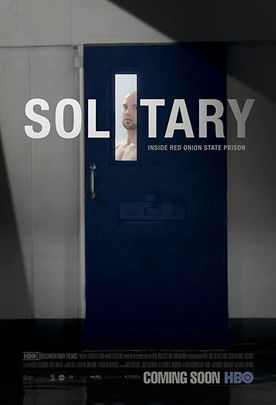
Story overview
Solitary is a documentary film from 2016 that explores crime-related themes. As a documentary, it likely presents real-world situations and investigations into criminal activities. The TV-14 rating suggests it contains material that may be unsuitable for children under 14 without parental guidance.
Parent Guide
A documentary about crime topics that requires parental guidance for viewers under 14 due to potentially mature content.
Content breakdown
Documentary may include discussions or depictions of criminal activities and their consequences.
Real-world crime topics could be unsettling or disturbing to some viewers.
May include occasional strong language typical of documentary interviews or crime-related discussions.
No sexual content or nudity expected based on genre and rating.
May include references to substance use in crime contexts.
Documentary format exploring crime topics may create emotional engagement with serious subject matter.
Parent tips
This documentary about crime may include discussions or depictions of criminal behavior that could be concerning for younger viewers. The TV-14 rating indicates parents should be cautious about content that might be too mature for children under 14. Consider previewing the film or watching together to provide context and support for any difficult topics that arise.
Parent chat guide
Parent follow-up questions
- What did you see in the movie?
- Was there anything that made you feel worried?
- What was your favorite part?
- Did you learn something new?
- How did the movie make you feel?
- What was the main topic of this documentary?
- How is this different from a regular movie?
- What questions do you have about what you saw?
- Why do you think people make documentaries about crime?
- What did you learn from watching this?
- What techniques did the filmmakers use to tell this story?
- How does this documentary present information about crime?
- What ethical considerations might filmmakers have when covering crime topics?
- How does this compare to fictional crime shows you've seen?
- What perspective does this documentary offer on its subject?
- What documentary techniques were most effective in this film?
- How does this film handle sensitive crime-related material?
- What social or cultural issues does this documentary address?
- How might this documentary influence public understanding of crime?
- What responsibility do documentary filmmakers have when covering difficult topics?
🎭 Story Kernel
At its core, 'Solitary' explores the psychological disintegration of identity under extreme isolation, rather than a simple prison escape narrative. The protagonist's drive stems from a desperate need to prove his own existence and sanity to himself, as much as to escape his physical confines. The film suggests that prolonged solitary confinement doesn't just punish the body—it systematically dismantles the self, leaving only primal instincts and fractured memories. What appears to be a story about physical survival becomes a haunting examination of what remains when social constructs and personal history are stripped away, questioning whether freedom matters if one no longer recognizes who would be freed.
🎬 Visual Aesthetics
The film employs a claustrophobic visual language dominated by tight close-ups and shallow depth of field, mirroring the protagonist's constricted reality. A desaturated color palette—heavy on concrete grays and institutional greens—creates a sensory-deprived environment, with occasional flashes of vivid color (like a red emergency button) serving as violent sensory intrusions. Camera movements are minimal and deliberate, often static or with slow pans that feel like surveillance footage. The few action sequences are shot with shaky, disorienting camerawork that denies catharsis, emphasizing confusion over heroism. Visual symbolism appears subtly, like water stains on walls forming Rorschach-like patterns that reflect the protagonist's deteriorating mental state.
🔍 Details & Easter Eggs
💡 Behind the Scenes
The lead actor reportedly underwent a controlled isolation experiment for 48 hours before filming to understand sensory deprivation, though safety protocols prevented full immersion. The prison set was built in a decommissioned industrial facility in Eastern Europe, with crew noting the existing decay influenced the production design significantly. Director cited 1970s prison documentaries and Soviet-era psychological studies on isolation as primary research materials rather than other prison films. The minimalist score was created using only sounds recordable within the set itself—metal echoes, footsteps, breathing—then digitally manipulated.
Where to watch
Choose region:
- HBO Max