
Some Like It Hot (1959)
Story overview
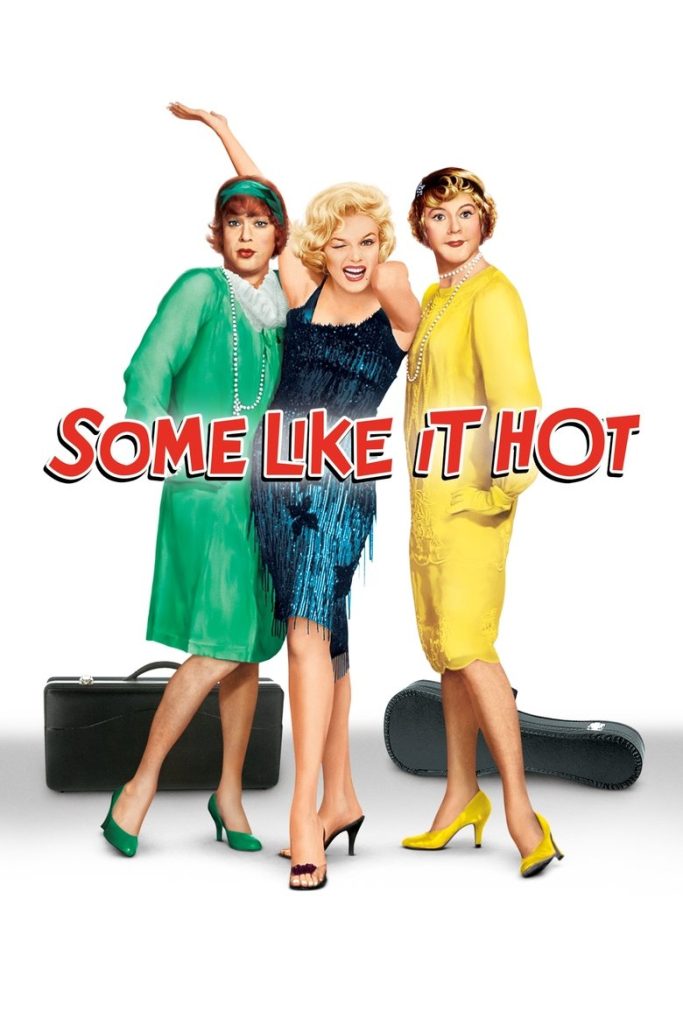
Two musicians accidentally witness a gangster murder in 1920s Chicago and must flee for their lives. Their escape plan involves disguising themselves as women to join an all-female band traveling to Florida. The film follows their comedic struggles to maintain their disguises while avoiding the pursuing mobsters and navigating romantic entanglements. This classic comedy blends humor, mistaken identities, and light suspense in a jazz-era setting.
Parent Guide
A classic comedy with mild gangster violence, sexual innuendo, and cross-dressing themes presented in 1950s style humor.
Content breakdown
Off-screen shooting with sound effects, gangster threats, chase scenes, and comedic peril. No graphic violence shown.
Gangster pursuit creates light suspense, but tension is consistently undercut by comedy. No genuinely frightening imagery.
Period-appropriate mild language and innuendo. No strong profanity by modern standards.
Sexual innuendo, suggestive dialogue, and cross-dressing situations. No nudity or explicit content.
Social drinking and smoking reflecting 1920s setting. Not glorified or central to plot.
Light suspense from chase elements balanced by consistent comedy. Romantic elements are playful rather than intense.
Parent tips
This classic comedy contains mild elements that parents should consider. The film features gangster violence including a shooting (shown off-screen with sound effects) and threats of violence, though these are presented in a stylized, comedic context rather than graphic realism. There's sexual innuendo and suggestive dialogue typical of 1950s comedies, with characters in gender-bending situations and romantic pursuits. Some drinking and smoking scenes reflect the 1920s setting.
For children under 10, the gangster elements and cross-dressing themes might require explanation. The film's humor relies heavily on situational comedy and wordplay that younger children may not fully appreciate. The 122-minute runtime and black-and-white format might challenge some younger viewers' attention spans.
Positive aspects include themes of friendship, resourcefulness, and the comedic exploration of gender roles. The film's historical setting provides opportunities to discuss social changes and entertainment styles from earlier eras.
Parent chat guide
During viewing, pause if children seem confused about the cross-dressing premise or gangster plot. The film's verbal humor and double entendres might need occasional clarification for younger viewers. Note how the film handles tense situations with comedy rather than genuine fear.
After watching, discuss how the characters used creativity and teamwork to solve problems. Talk about how gender roles and social expectations have changed since the 1920s. Ask what parts were funniest and why the disguise premise worked as comedy. Explore how the film balances suspense with humor.
Parent follow-up questions
- What was your favorite funny part?
- Why were the musicians wearing dresses?
- How did the friends help each other?
- What music did you like in the movie?
- Was it scary when the bad men were chasing them?
- Why did the musicians need to disguise themselves?
- How did pretending to be women help them escape?
- What made the gangster scenes funny instead of scary?
- How did the characters show they were good friends?
- What would you do if you needed to hide from someone?
- How does the film use comedy to handle serious situations like being chased by gangsters?
- What does the film show about gender roles in the 1920s?
- How do the characters balance keeping their secret with developing friendships?
- Why do you think this comedy has remained popular for so long?
- What modern movies use similar disguise or mistaken identity plots?
- How does the film comment on gender norms while working within 1950s entertainment standards?
- What social changes between the 1920s setting and 1959 release date affect how we view the film today?
- How does the film balance crime elements with romantic comedy?
- What makes the cross-dressing premise work as social commentary rather than just slapstick?
- How does the film's historical context affect its treatment of relationships and identity?
🎭 Story Kernel
At its core, 'Some Like It Hot' is less about mobsters or musicians and more about the liberating power of disguise. Joe and Jerry don't just hide from the mob; they escape the rigid expectations of 1920s masculinity. Their journey as 'Josephine' and 'Daphne' reveals how gender is often a performance. Jerry's genuine enjoyment of his feminine persona and Joe's cynical manipulation of it create a fascinating duality. The film's real drive is the characters' desperate, hilarious scramble to survive, which forces them to question everything they thought they knew about identity, desire, and what it means to be a man—or a woman.
🎬 Visual Aesthetics
Billy Wilder and cinematographer Charles Lang Jr. use a crisp, high-contrast black-and-white palette that heightens the farce. The camera often feels like a frantic observer in crowded scenes, like the chaotic St. Valentine's Day Massacre or the packed train car, mirroring the protagonists' panic. Costuming is the primary visual language: the sharp, restrictive suits of the mobsters contrast with the flowing, elaborate dresses of 'Josephine' and 'Daphne.' The Florida hotel scenes are bathed in a brighter, almost dreamlike light, symbolizing the temporary sanctuary and surreal new world the characters inhabit. The final chase on the yacht is shot with a manic, slapstick energy that perfectly caps the visual comedy.
🔍 Details & Easter Eggs
💡 Behind the Scenes
The film was shot in black-and-white partly to hide the heavy makeup on Curtis and Lemmon, which looked ghastly in early color tests. Marilyn Monroe was notoriously difficult during filming, requiring dozens of takes for simple lines and often arriving hours late. The iconic line 'I'm a man' was improvised by Jack Lemmon during the final scene. Because the film dealt with cross-dressing and implied sexuality, it was denied the Production Code seal of approval and released without it, becoming a massive hit and helping to dismantle the Code's power.
Where to watch
Choose region:
- Amazon Prime Video
- YouTube TV
- Amazon Prime Video with Ads
- Amazon Video
- Apple TV
- Google Play Movies
- YouTube
- Fandango At Home
- Spectrum On Demand
- Plex
- Amazon Prime Video Free with Ads
- Tubi TV
- Kanopy
- Fawesome
Trailer
Trailer playback is unavailable in your region.