Somersault (2004)
Story overview
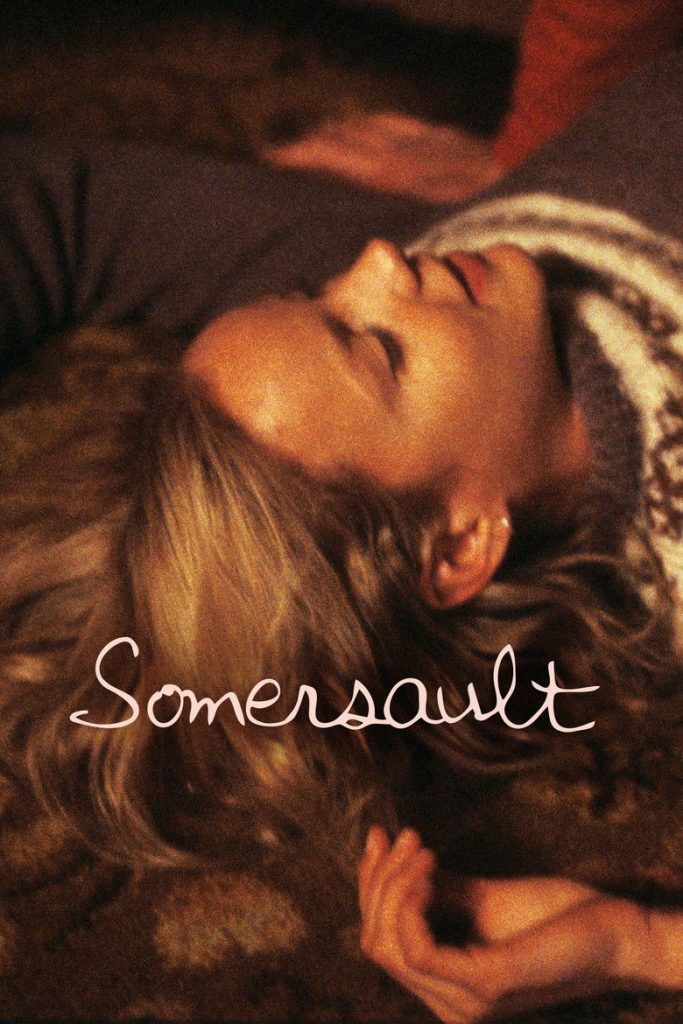
Somersault is a 2004 Australian drama about Heidi, a 16-year-old girl who runs away from home after a complicated situation with her mother's boyfriend. She arrives in the tourist town of Jindabyne, where she tries to build a new life by finding a job, a place to stay, and forming a relationship with a local man named Joe. The film explores themes of loneliness, vulnerability, and the search for connection as Heidi navigates the challenges of independence and emotional intimacy.
Parent Guide
A thoughtful drama exploring teenage vulnerability and the search for connection, with mature themes requiring parental discretion for viewers under 16.
Content breakdown
No physical violence, but emotional tension and relationship conflicts create some peril. One scene shows a character being grabbed during an argument.
Emotionally intense scenes depicting loneliness, vulnerability, and relationship turmoil. The protagonist's precarious situation and poor decisions may be disturbing to sensitive viewers.
Occasional mild profanity including 'shit' and 'bloody.' No strong or frequent offensive language.
Several sexual situations including implied and partial nudity. Scenes depict consensual sexual encounters with emotional context. Non-explicit but clear in intent.
Characters drink alcohol in social settings (bars, parties). Some scenes show drinking to excess. No drug use depicted.
High emotional intensity throughout as the protagonist navigates loneliness, vulnerability, and complex relationships. Themes of abandonment, longing, and emotional risk-taking are central to the narrative.
Parent tips
This film deals with mature themes including teenage sexuality, complex relationships, and emotional vulnerability. Parents should be aware of scenes depicting sexual situations, alcohol use, and strong emotional content. The protagonist's journey involves making risky decisions while seeking belonging. Best suited for older teens with parental guidance to discuss the film's themes of responsibility, consent, and emotional health.
Parent chat guide
Parent follow-up questions
—
—
- What did you think about Heidi leaving home?
- How do you think Heidi felt when she arrived in the new town?
- What makes a home feel safe and welcoming?
- How does the film portray the complexity of teenage relationships?
- What role does loneliness play in Heidi's decisions?
- How do the characters demonstrate (or lack) emotional maturity?
- What messages does the film send about independence versus support?
- How might Heidi's story be different with better communication?
🎭 Story Kernel
Somersault is not about teenage rebellion but about the visceral, recursive logic of emotional self-punishment: Heidi’s flight from Canberra isn’t escape—it’s ritual reenactment of her mother’s abandonment and her own perceived unworthiness. Her sexual encounters aren’t acts of liberation but calibrated attempts to elicit love through surrender, each one collapsing under the weight of unspoken need. Joe’s quiet stability doesn’t ‘save’ her; it destabilizes her script—his refusal to exploit her vulnerability forces her to confront the hollowness of transactional intimacy. The film’s power lies in its rejection of catharsis: Heidi doesn’t ‘heal’ by the end, but pauses—mid-somersault—recognizing, for the first time, that her body isn’t just a conduit for others’ desire or her own penance, but a site of unclaimed agency. Her final walk into the mist isn’t resolution; it’s the first breath before naming herself.
🎬 Visual Aesthetics
Shortland and cinematographer Robert Humphreys deploy a tactile, almost claustrophobic naturalism: shallow focus isolates Heidi within frames dominated by weathered wood, damp wool, and rain-streaked glass—textures that feel less like setting and more like extensions of her nervous system. The color palette is deliberately muted—slate greys, bruised purples, washed-out ochres—evoking perpetual overcast, visually mirroring Heidi’s emotional suspension. Handheld camerawork is restrained but insistent, often lingering just a beat too long on her face after an interaction, refusing to grant the relief of a cut. Recurring motifs—a cracked mirror, recurring shots of hands (clutching, wiping, reaching)—anchor abstraction in physical detail. The camera doesn’t observe her journey; it breathes with her, making interiority visible through proximity, not exposition.
🔍 Details & Easter Eggs
💡 Behind the Scenes
Filmed almost entirely on location in Jindabyne and Cooma in New South Wales’ Snowy Mountains, the production faced brutal winter conditions—temperatures dropped below -8°C, forcing improvisation: scenes were shot inside freezing cars and unheated cabins, lending authentic shivers and breath-clouds to performances. Abbie Cornish, then 22, underwent intensive workshops with Shortland for six weeks, including observational fieldwork at youth shelters and journaling as Heidi. Notably, the film’s intimate sex scenes were choreographed with a movement coach and shot with strict consent protocols—no nudity was improvised, and all physical contact was pre-rehearsed frame-by-frame. The soundtrack features no licensed pop songs; composer Max de Wardener created the entire score using manipulated field recordings from the filming locations—wind through pine trees, dripping water, distant train whistles—blurring diegetic and non-diegetic sound to deepen the film’s psychological immersion.
Where to watch
Choose region:
- HBO Max
- JustWatch TV
- Apple TV Store
Trailer
Trailer playback is unavailable in your region.