
Sometimes (2017)
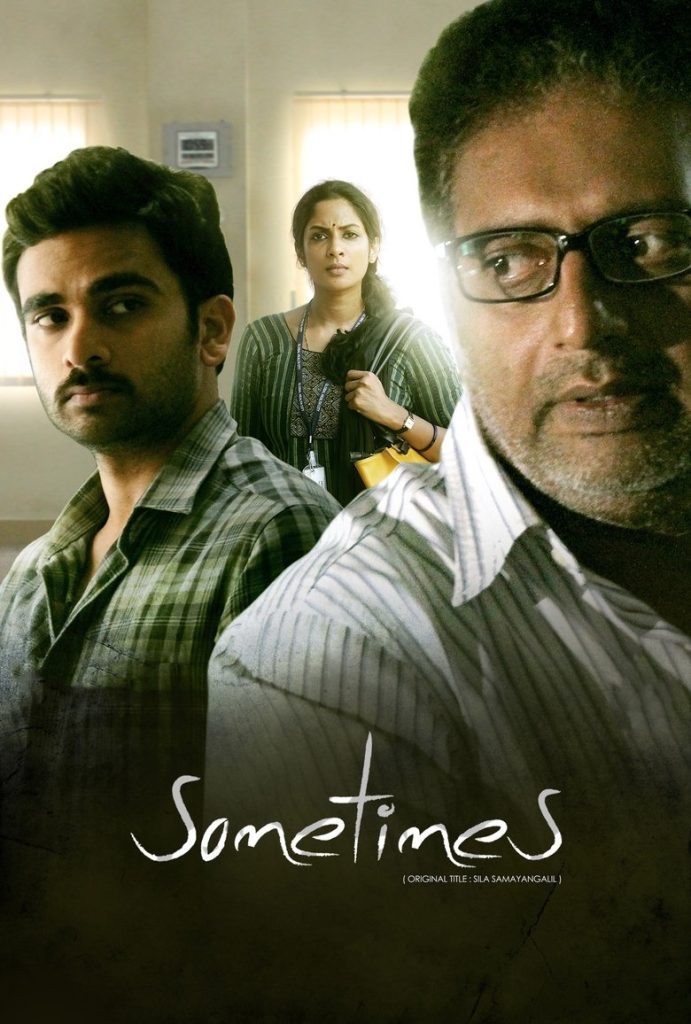
Story overview
Sometimes is a 2017 drama film that explores themes of personal growth and relationships. The story follows characters navigating everyday challenges and emotional moments. It presents realistic situations that viewers might find relatable.
Parent Guide
A drama with moderate emotional themes suitable for mature pre-teens and teens with parental guidance.
Content breakdown
No physical violence or perilous situations depicted.
Some emotionally tense moments that might be unsettling for sensitive viewers.
May contain occasional mild language consistent with TV-14 rating.
No sexual content or nudity present.
No substance use depicted.
Contains realistic emotional situations and relationship conflicts.
Parent tips
This TV-14 drama contains moderate emotional intensity that may require parental guidance for younger viewers. The themes focus on interpersonal relationships and life challenges without graphic content. Consider watching together to discuss the realistic scenarios presented.
Parent chat guide
Parent follow-up questions
- What was your favorite part of the movie?
- How did the characters feel when they were happy?
- What colors did you see in the movie?
- What problem did the main character face?
- How did the characters help each other?
- What would you do in a similar situation?
- What lesson did the characters learn?
- How did relationships change throughout the story?
- What would you have done differently than the characters?
- How realistic were the characters' emotional responses?
- What societal themes did the film address?
- How did the film's structure affect your understanding of the story?
🎭 Story Kernel
The film explores the psychological aftermath of profound loss, specifically how grief can fracture one's perception of time and reality. It's not about a supernatural haunting, but about how trauma haunts the present, making past moments feel simultaneously distant and unbearably immediate. The protagonist's journey isn't about moving on, but about learning to coexist with a love that has no future, only a past that refuses to stay buried. The driving force is the human need to find meaning in senseless absence, questioning whether some memories are a curse we must learn to carry rather than a burden we can put down.
🎬 Visual Aesthetics
The cinematography employs a muted, desaturated color palette, draining vibrancy from the world to mirror the protagonist's emotional state. Time-lapse sequences of mundane scenes—clouds moving, shadows shifting—visually represent the relentless march of time that the character feels stuck outside of. Handheld camerawork during emotional peaks creates intimacy and instability, while static, wide shots in empty spaces emphasize profound loneliness. The deliberate lack of a traditional musical score, replaced by ambient sounds and silence, makes the emotional weight feel earned, not manufactured.
🔍 Details & Easter Eggs
💡 Behind the Scenes
The lead actor reportedly spent weeks in isolation prior to filming to cultivate the necessary sense of detachment and loneliness for the role. Several pivotal scenes were shot in chronological order to help the actor's emotional degradation feel authentic. The director insisted on using only natural light for interior scenes, which created significant scheduling challenges but resulted in the film's distinctive, soft, and often melancholic lighting. The empty apartment that serves as the primary setting was a real, recently vacated unit, not a built set, chosen for its palpable sense of absence and lingering human presence.
Where to watch
Choose region:
- Netflix
- Netflix Standard with Ads
Trailer
Trailer playback is unavailable in your region.