
Sometimes in April (2005)
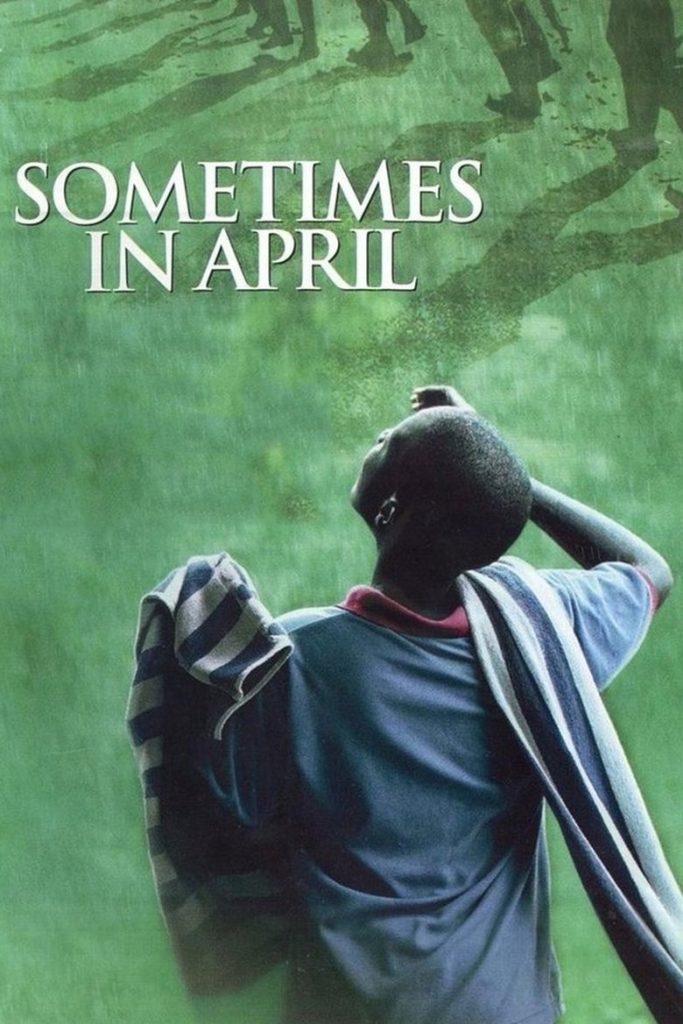
Story overview
Sometimes in April is a historical drama set during the 1994 Rwandan genocide. The film follows the story of two brothers who find themselves on opposite sides of the conflict, exploring themes of family, survival, and moral choices during wartime. Through personal narratives, it depicts the devastating impact of ethnic violence and the struggle for humanity in extreme circumstances.
Parent Guide
Mature historical drama about the Rwandan genocide with intense violence and emotional content. Recommended for older teens and adults with guidance.
Content breakdown
Contains graphic depictions of war violence, mass killings, and peril situations. Scenes show armed conflict, threats to life, and wartime brutality.
Includes disturbing themes of genocide, ethnic violence, and human suffering. Scenes may be emotionally intense and psychologically challenging.
May include wartime dialogue with strong language appropriate to the serious subject matter.
Possible brief references or implications related to wartime situations, but not graphic.
May include social drinking or references to substance use in context of the setting.
High emotional content dealing with trauma, loss, grief, and moral dilemmas during genocide.
Parent tips
This film deals with the Rwandan genocide, containing intense themes of violence, war, and human suffering. It's rated TV-MA for mature audiences due to its graphic and disturbing content. Parents should be aware that this film includes depictions of mass violence, peril, and emotional trauma that may be too intense for younger viewers.
Parent chat guide
Parent follow-up questions
- What did you notice about how the characters helped each other?
- How did the music make you feel during different parts?
- What colors did you see in the movie?
- What were some ways people showed kindness in the story?
- How do you think the characters felt when they had to make hard choices?
- What does it mean to be brave in difficult situations?
- Why do you think people sometimes treat others differently based on their background?
- What responsibilities do people have to help others during conflicts?
- How can learning about difficult history help us create a better future?
- How does the film explore the concept of moral ambiguity during wartime?
- What factors influence whether people become perpetrators, bystanders, or rescuers during conflicts?
- How does the personal family story help viewers understand larger historical events?
🎭 Story Kernel
At its core, 'Sometimes in April' explores how ordinary people become both perpetrators and victims of state-sanctioned violence. The film isn't just about the Rwandan genocide's statistics—it's about how ideology infiltrates daily life, turning neighbors into killers and love into a liability. Augustin's journey from Hutu military officer to hunted man reveals how identity becomes a death sentence overnight. The real driving force isn't political ideology but survival—both physical survival and the survival of memory against official denial. The film asks: What does it mean to remember when forgetting is the easier path?
🎬 Visual Aesthetics
Director Raoul Peck employs a muted, almost documentary-like palette—washed-out greens and browns dominate, making the occasional bursts of red blood shockingly vivid. The camera often lingers on faces during radio broadcasts, showing how words become weapons. Notice how interior scenes feel claustrophobic while exterior shots emphasize Rwanda's terrifying beauty—the genocide unfolds in paradise. The juxtaposition of lush landscapes with mass graves creates visual dissonance that mirrors the moral collapse. Peck avoids Hollywood-style violence; instead, he shows aftermaths—abandoned shoes, empty classrooms—letting absence speak louder than presence.
🔍 Details & Easter Eggs
💡 Behind the Scenes
The film was shot entirely in Rwanda just ten years after the genocide, with many survivors serving as consultants and extras. Idris Elba learned basic Kinyarwanda for his role as Augustin, though most dialogue is in French and English. Director Raoul Peck insisted on using actual genocide sites rather than sets, creating an uncomfortable authenticity. Several actors had personal connections to the events—one supporting actor lost 37 family members in 1994. The film's title comes from Rwanda's rainy season, when the killings peaked.
Where to watch
Choose region:
- HBO Max
- HBO Max Amazon Channel
- Amazon Video
- Apple TV
- Google Play Movies
- YouTube
- Fandango At Home
Trailer
Trailer playback is unavailable in your region.