
Soul (2020)
Story overview
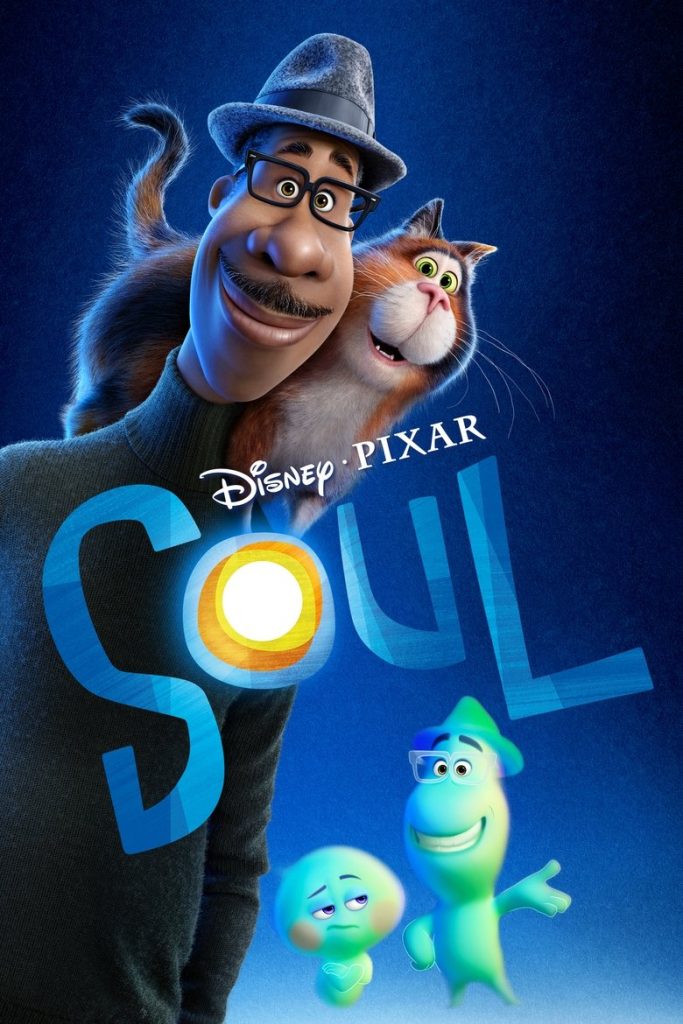
Soul follows Joe Gardner, a passionate jazz musician and teacher, whose soul becomes separated from his body after an accident. He finds himself in the You Seminar, a mystical realm where souls develop personalities before being born on Earth. With help from a reluctant soul named 22, Joe embarks on a journey to return to his life while exploring profound questions about purpose, passion, and what makes life meaningful.
Parent Guide
A thoughtful animated film exploring life's purpose and passion with some abstract concepts about souls and the afterlife that may require explanation for younger viewers.
Content breakdown
Joe's soul separates from his body after an accident, shown in a non-graphic way. Some mild peril as he tries to return to his life.
Abstract concepts about souls, the afterlife, and existential themes might be confusing or unsettling for some children. No traditional scary scenes.
No offensive language noted.
No sexual content or nudity.
No substance use depicted.
Explores deep themes about life purpose, mortality, and existential questions that may provoke thoughtful discussion or mild emotional responses.
Parent tips
Soul is a beautifully animated film that explores deep philosophical themes about life's purpose, passion, and what makes us who we are. While rated PG and generally appropriate for most children, it deals with abstract concepts about the afterlife and existential questions that may confuse younger viewers. The film contains mild peril when Joe's soul separates from his body, and some children might find the metaphysical concepts about souls and the afterlife unsettling or difficult to understand.
Parents should be aware that the movie touches on themes of mortality, purpose, and existential questions that might prompt discussions about life and death. The animation is colorful and engaging, but the philosophical content makes this more suitable for children who can handle abstract thinking. There are positive messages about finding joy in everyday moments and discovering what truly matters in life.
Parent chat guide
Focus conversations on the positive messages about appreciating everyday moments and discovering what makes life meaningful. Ask about their favorite parts and what they think the movie was trying to say about being alive. This can lead to meaningful discussions about their own interests, passions, and what brings them happiness.
Parent follow-up questions
- What was your favorite color in the movie?
- Did you like the music in the film?
- What made you laugh during the movie?
- Which character did you like best?
- What was something pretty you saw?
- What do you think makes someone special?
- What was Joe trying to do in the movie?
- What did you learn about music from the film?
- How did Joe help 22?
- What makes you feel happy like Joe felt when playing music?
- What do you think the movie was saying about finding your purpose?
- How did Joe's understanding of success change during the story?
- What did you think about the different places souls went in the movie?
- What makes life meaningful according to the film?
- How can we appreciate everyday moments more?
- What philosophical questions about life and purpose did the movie raise?
- How does the film define success versus fulfillment?
- What did you think about the representation of the afterlife in the story?
- How can we balance pursuing passions with appreciating daily life?
- What messages about mortality and making the most of life did you take from the film?
🎭 Story Kernel
At its core, 'Soul' dismantles the toxic 'purpose-driven' mindset that equates human worth with career achievements. Joe Gardner believes his entire existence hinges on one jazz gig, but the film argues that purpose is a trap—life's meaning emerges from mundane moments of connection, not grand destinies. The Great Before's mechanistic 'spark' assignment system satirizes how society pressures us to monetize passions. Joe's journey isn't about earning his life back; it's about realizing he never needed to earn it in the first place. The film's radical thesis: living isn't a prerequisite for life.
🎬 Visual Aesthetics
Pixar masterfully uses visual duality to separate embodied experience from abstract concepts. New York City is rendered with tactile, textured realism—gritty subway grime, warm bar lighting, the physicality of a piano's keys. Conversely, the Great Before and Beyond employ minimalist, geometric designs with soft pastels, visualizing souls as 2D line-art lacking depth until they gain earthly experiences. Joe's translucent 'soul' form in the real world creates haunting overlaps between spiritual and physical realms. The jazz club climax uses dynamic lighting that pulses with the music, making sound visible as emotional energy.
🔍 Details & Easter Eggs
💡 Behind the Scenes
Director Pete Docter initially conceived the film after his son was born, pondering where personalities originate. The jazz authenticity came from consultations with musicians like Jon Batiste, who composed the earthly score, while Trent Reznor and Atticus Ross created the electronic afterlife music. Animators studied the movements of real-life counselors at a soul-themed retreat to capture the Jerrys' fluid motions. The barbershop scene was heavily researched to portray the cultural specificity of Black barbershop conversations accurately, with co-writer Kemp Powers drawing from personal experience.
Where to watch
Choose region:
- Disney Plus
- fuboTV
- Apple TV
- Amazon Video
- Google Play Movies
- YouTube
- Fandango At Home
Trailer
Trailer playback is unavailable in your region.