
Stamped from the Beginning (2023)
Story overview
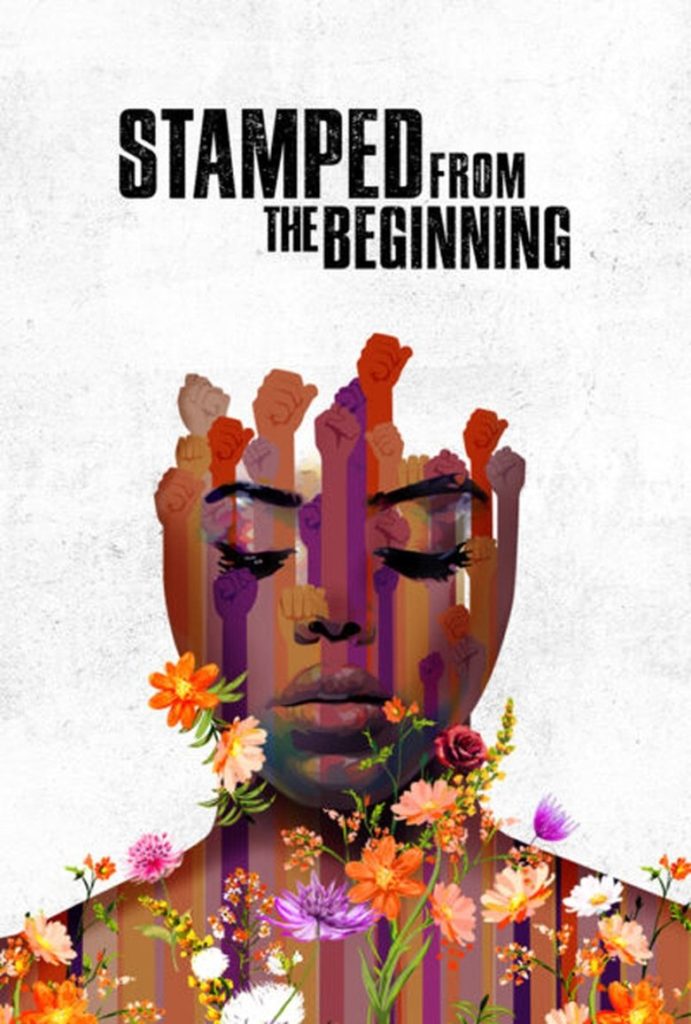
Stamped from the Beginning is a 2023 documentary that combines animation and expert commentary to explore the history of racist ideas in America, based on Ibram X. Kendi's bestselling book. It examines how racist ideologies developed and persisted through U.S. history, featuring insights from scholars and activists like Angela Davis and Ibram X. Kendi. The film uses innovative animation to visualize historical events and concepts, making complex topics accessible while addressing systemic racism and its impacts.
Parent Guide
This educational documentary about America's history of racist ideas contains mature content suitable for teens with guidance. The R rating reflects intense thematic material about racism, violence, and discrimination.
Content breakdown
Includes animated depictions and descriptions of historical violence related to slavery, racial discrimination, and systemic oppression. No graphic live-action violence, but themes are emotionally heavy.
Content about racial violence, discrimination, and historical injustice may be disturbing. Animation softens some visuals but themes are emotionally intense. Includes discussions of traumatic historical events.
May include historical quotations or academic discussions containing racial slurs or strong language in context. Not frequent or gratuitous.
No sexual content or nudity present.
No depiction of substance use.
High emotional intensity due to themes of racism, injustice, and historical trauma. May provoke strong feelings about America's racial history and current social issues.
Parent tips
This documentary deals with mature themes of racism, discrimination, and historical violence. The R rating suggests content may be intense for younger viewers. Consider watching together with teens to discuss the historical context and contemporary relevance. The animation helps illustrate concepts but includes depictions of slavery and racial violence. Prepare for discussions about America's racial history and current social issues. The film's educational value is high but requires emotional readiness.
Parent chat guide
Parent follow-up questions
—
—
- What did you learn about fairness from the film?
- How did the animation help tell the story?
- What questions do you have about the history shown?
- How does the film connect historical racism to today's issues?
- What surprised you most about the development of racist ideas?
- How do different perspectives (like Angela Davis's) contribute to understanding this history?
- What responsibility do we have to address systemic racism?
🎭 Story Kernel
The film serves as a cinematic adaptation of Ibram X. Kendi’s National Book Award-winning work, shifting the focus from the history of people to the history of ideas. It argues that racist policies are not born from prejudice, but rather that racist ideas are created to justify existing discriminatory policies. Williams navigates through five centuries of American history, dismantling the 'uplift suasion' myth and the 'assimilationist' trap. By centering the perspectives of Black women scholars, the documentary reframes the narrative of racial progress not as a linear climb, but as a dual evolution of both anti-racist resistance and increasingly sophisticated racist justifications. It is a profound exploration of how language and imagery have been weaponized to maintain power structures, ultimately challenging the viewer to recognize that the 'stamp' of inferiority was a manufactured design rather than a natural occurrence.
🎬 Visual Aesthetics
Williams employs a dynamic visual language that prevents the documentary from feeling like a dry lecture. The film utilizes striking, hand-drawn animation to illustrate historical atrocities and abstract concepts, making the intellectual heavy lifting more accessible and emotionally resonant. The cinematography often utilizes tight, intimate close-ups of the scholars, emphasizing their authority and humanity. A recurring visual motif involves the use of layered archival footage juxtaposed with modern pop culture clips, illustrating the persistence of racist tropes across centuries. The color palette is often bold and saturated, contrasting the dark subject matter with a vibrant energy that suggests the possibility of change. The editing is rhythmic and fast-paced, mirroring the urgency of Kendi’s thesis and effectively bridging the gap between historical origins and contemporary consequences, ensuring the past feels hauntingly present throughout the runtime.
🔍 Details & Easter Eggs
💡 Behind the Scenes
Roger Ross Williams, the first African American director to win an Academy Award, adapted Ibram X. Kendi’s 500-page book into this feature-length documentary. Produced under Williams’ company, One Story Up, the film features an intentionally all-female cast of scholars, including Dr. Angela Davis and Dr. Carol Anderson, to center voices traditionally marginalized in historical discourse. The production utilized the animation studio Six Point Harness to create the film's distinctive illustrative style. The documentary premiered at the Toronto International Film Festival in 2023 and was subsequently shortlisted for the Best Documentary Feature category at the 96th Academy Awards.
Where to watch
Choose region:
- Netflix
- Netflix Standard with Ads
Trailer
Trailer playback is unavailable in your region.