
Stand by Me Doraemon (2014)
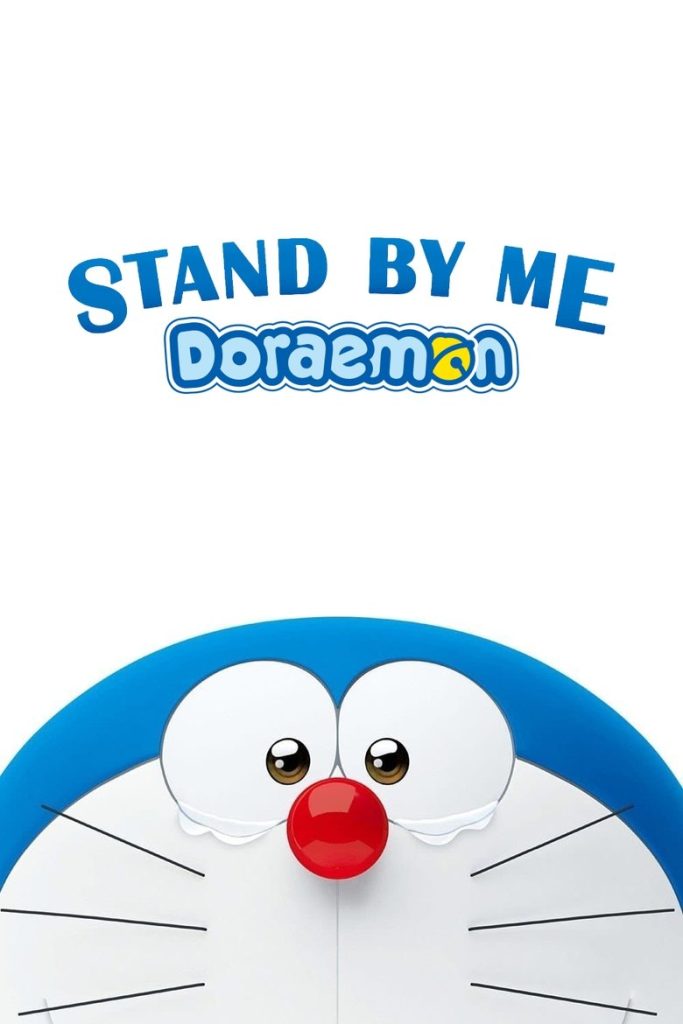
Story overview
This animated film follows Doraemon, a robotic cat from the future, who travels back in time to help a young boy named Nobita. Doraemon uses futuristic gadgets and inventions to assist Nobita with his daily challenges and adventures. The story explores themes of friendship, responsibility, and personal growth through their heartwarming relationship.
Parent Guide
A gentle animated adventure suitable for most children, featuring positive messages about friendship and responsibility.
Content breakdown
Some fantasy peril situations with characters in mild danger, but nothing graphic or intense.
Mildly tense moments related to time travel consequences, but handled in a family-friendly way.
No concerning language; typical for family animation.
No sexual content or nudity.
No substance use depicted.
Some emotional moments about friendship and responsibility, but generally uplifting.
Parent tips
This family-friendly animated adventure is suitable for most children, featuring mild fantasy peril and emotional moments that are handled gently. The TV-PG rating reflects some scenes that might be slightly intense for very young viewers, but overall it's an uplifting story about friendship and helping others. Parents of sensitive children might want to watch together to discuss the time travel concepts and emotional themes.
Parent chat guide
Parent follow-up questions
- What was your favorite part of the movie?
- How did Doraemon help Nobita?
- What would you do if you had a friend like Doraemon?
- What colors did you see in the movie?
- Did any parts make you feel happy or sad?
- What does it mean to be a good friend?
- How would you use a helpful gadget if you had one?
- Why do you think Doraemon came to help Nobita?
- What did you learn about helping others?
- How did the characters show they cared about each other?
- What responsibilities come with having special abilities or gadgets?
- How does time travel affect the characters' decisions?
- What qualities make someone a good friend?
- How do the characters grow or change during the story?
- What would you do differently if you were in Nobita's situation?
- How does the film explore themes of responsibility and consequences?
- What does the relationship between Doraemon and Nobita say about friendship?
- How are futuristic elements used to tell a human story?
- What ethical questions might arise from having advanced technology?
- How does the film balance fantasy elements with emotional realism?
🎭 Story Kernel
The film's core isn't about time travel mechanics but the painful necessity of letting go for genuine growth. While previous Doraemon stories play with gadgets and consequences, this one strips away the fantasy safety net to confront emotional maturity. Nobita's journey from helpless dependence to self-reliance mirrors every child's transition into adulthood, but with the cruel twist that his catalyst must disappear. The real tension isn't whether Nobita will succeed but whether he can bear the loneliness of success. Doraemon's departure becomes the ultimate act of love—teaching Nobita that some bonds are measured by their absence, not their presence.
🎬 Visual Aesthetics
The animation employs a warmer, more nostalgic color palette than typical Doraemon media, with sunset oranges and soft blues dominating emotional scenes. Camera work becomes deliberately intimate during farewells—lingering close-ups on trembling hands and tear-filled eyes replace the usual wide shots of chaotic gadget mishaps. Notice how Doraemon's blue fades slightly in his final scenes, visually mirroring his impending departure. The climactic scene where Nobita defeats Gian uses simplified, almost symbolic animation—stripping away comic exaggeration to emphasize this isn't just another schoolyard scuffle but a ritual of transformation.
🔍 Details & Easter Eggs
💡 Behind the Scenes
This 2014 film adapts a 7-chapter storyline from the original manga that creator Fujiko F. Fujio initially resisted animating, fearing it would 'end' the franchise. Voice actor Wasabi Mizuta recorded Doraemon's emotional farewell scene in complete isolation from the other actors to authentically capture loneliness. The film's title references the 1986 anime film 'Stand by Me,' but the Japanese title 'Eiga Doraemon: Nobita no Kyūjotai to Hikari no Shinden' translates to 'Doraemon the Movie: Nobita's Stand by Me and the Light Temple,' blending multiple story arcs. Director Takashi Yamazaki insisted on CGI animation to create more cinematic depth than the traditional 2D series, sparking initial fan controversy.
Where to watch
Choose region:
- Netflix
- Netflix Standard with Ads
Trailer
Trailer playback is unavailable in your region.