
Starstruck (2010)
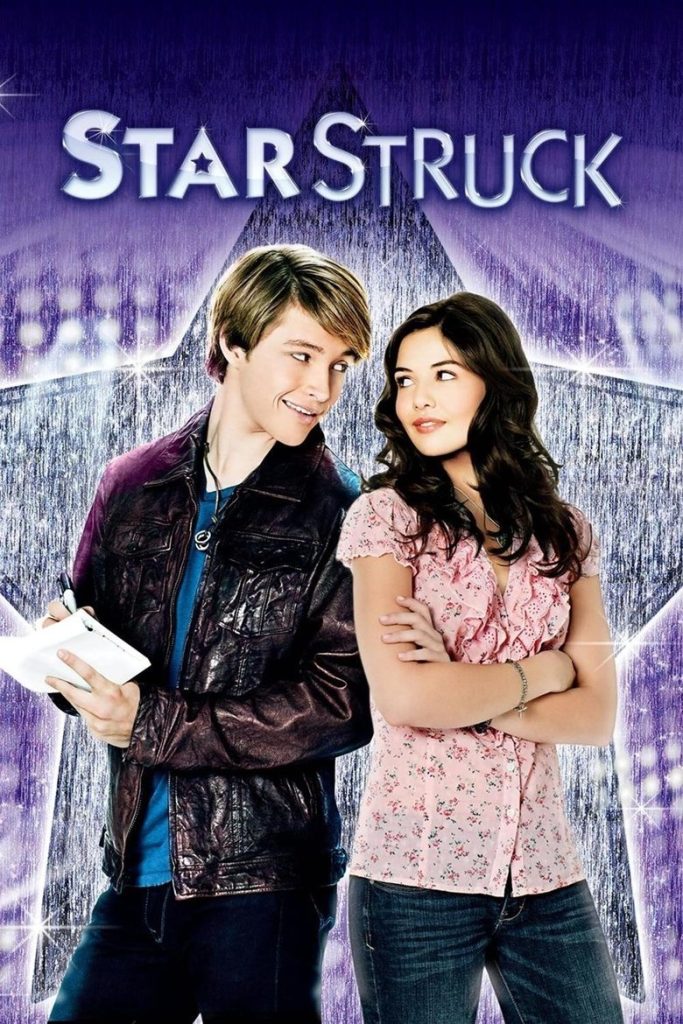
Story overview
Starstruck is a 2010 TV movie that blends romance, comedy, and music. It follows a teenage girl who unexpectedly meets a famous pop star, leading to a whirlwind adventure. The story explores themes of dreams, identity, and young love in a lighthearted, family-friendly setting.
Parent Guide
A wholesome family movie with positive messages about dreams and relationships.
Content breakdown
No violence or dangerous situations.
Nothing frightening or disturbing.
No offensive language.
No sexual content or nudity.
No substance use shown.
Light romantic tension and minor relationship misunderstandings.
Parent tips
This TV-G rated movie is suitable for most children, featuring positive messages about following your dreams and being true to yourself. The romantic elements are very mild and age-appropriate, focusing on innocent crushes rather than mature relationships. Parents can expect clean humor and musical performances that entertain without concerning content.
Parent chat guide
Parent follow-up questions
- What was your favorite song in the movie?
- How did the characters make you feel happy?
- What would you do if you met a famous person?
- Why do you think the main character was nervous to meet the pop star?
- How did the characters show they cared about each other?
- What lesson did the characters learn about being famous?
- How did the movie show the difference between public image and real personality?
- What challenges did the characters face in their friendship?
- How did music help tell the story?
- How does the movie portray the entertainment industry versus reality?
- What does the story say about authenticity in relationships?
- How are themes of identity explored through the characters' journeys?
🎭 Story Kernel
At its core, 'Starstruck' is a sharp critique of celebrity culture's transactional nature, exploring how fame commodifies identity. The protagonist's journey from obscurity to stardom reveals the central tension: the desire for genuine connection versus the performance required to maintain public adoration. The film argues that modern fame is a Faustian bargain where personal authenticity is the ultimate currency spent. Characters are driven by conflicting needs—validation, escape from mundane reality, and the illusion of control—only to discover that the spotlight magnifies their deepest insecurities rather than healing them.
🎬 Visual Aesthetics
The cinematography masterfully contrasts intimate handheld shots during private moments with sterile, wide-angle compositions in public spaces, visually isolating the protagonist even in crowds. A deliberate color palette shift occurs—warmer tones during authentic interactions drain to cool blues and metallic sheens as fame increases. Mirror and reflection motifs recur, suggesting fractured identity and the character's dissociation from their public persona. The camera often lingers just a beat too long on characters' faces after pivotal lines, emphasizing the emotional cost behind their performative smiles.
🔍 Details & Easter Eggs
💡 Behind the Scenes
The film's concert scenes used actual unreleased fan footage from real concerts to achieve authentic crowd reactions. Several supporting cast members were former child stars who drew from personal experience for their performances. The pivotal apartment scene was shot in a single continuous 11-minute take requiring 27 attempts. Director cameos as a paparazzo in the third-act confrontation scene.
Where to watch
Choose region:
- Disney Plus
- Amazon Video
- Google Play Movies
- YouTube
Trailer
Trailer playback is unavailable in your region.