
Struggle: The Life and Lost Art of Szukalski (2018)
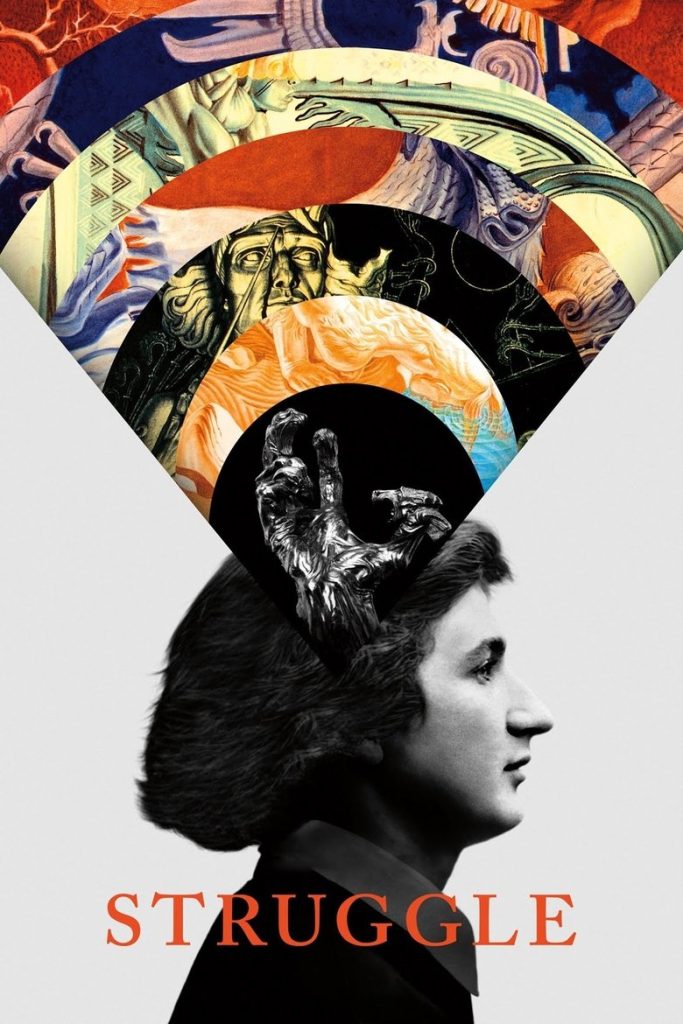
Story overview
This documentary explores the life of Stanisław Szukalski, a Polish sculptor whose work was rediscovered by artists in Los Angeles. The film reveals his complex story as a talented but controversial figure, touching on themes of art, obsession, and historical context.
Parent Guide
A documentary about a complex artistic figure that requires maturity to understand historical and personal context. No explicit content but deals with mature themes.
Content breakdown
Discussions of historical violence including World War II and political conflicts, but no graphic depictions.
Some of Szukalski's artwork features grotesque or intense imagery. Discussions of war, loss, and controversial political beliefs may be disturbing to sensitive viewers.
Occasional mild language in interviews or historical context.
No sexual content or nudity.
No depiction of substance use.
Emotional discussions of artistic passion, historical trauma, personal struggles, and complex legacy. The film explores intense dedication to art and difficult life experiences.
Parent tips
This documentary is best for mature teens and adults due to its complex themes and historical discussions. It contains no explicit content but deals with mature topics that require context. Watch with older children to discuss art, history, and personal legacy.
Parent chat guide
Parent follow-up questions
—
- What kind of art did Szukalski make?
- Why do you think people forgot about his art for so long?
- What challenges did Szukalski face in his life?
- How do you think his personal beliefs affected how people viewed his art?
- How does the documentary present Szukalski's controversial nationalist views?
- What does this film say about how we remember artists with problematic personal histories?
- How did the political events of 20th century Europe shape Szukalski's life and career?
🎭 Story Kernel
The film is less a straightforward biography and more an exploration of how an artist's legacy is constructed and deconstructed. It expresses the tension between Szukalski's undeniable, volcanic talent and his monstrous, fascist-aligned ego. The driving force isn't just his artistic struggle, but the struggle of his modern-day champion, Glenn Bray, and the filmmakers themselves to reconcile the art with the man. The core theme asks: can we, or should we, separate sublime creation from a morally abhorrent creator? The narrative is propelled by the gradual, unsettling reveal of Szukalski's darkest beliefs, forcing a re-evaluation of everything presented as heroic struggle in the first act.
🎬 Visual Aesthetics
The visual language masterfully mirrors Szukalski's chaotic mind. It employs a restless mix of archival footage, stark contemporary interviews, and dynamic, sweeping shots of his monstrous sculptures. The camera often lingers on the textures of clay and bronze, emphasizing the physicality of his lost art. A key aesthetic choice is the use of dark, muted tones for historical segments, contrasting with the clearer, yet often uncomfortably intimate, footage of the elderly Szukalski holding court. The editing rhythm accelerates as his controversial past is uncovered, using rapid cuts between his grandiose statements and historical evidence to visually create cognitive dissonance for the viewer.
🔍 Details & Easter Eggs
💡 Behind the Scenes
The project began when directors Irek Dobrowolski and Stephen Cooper discovered Szukalski's work through collector Glenn Bray. Much of the pivotal interview footage with the elderly Szukalski was captured in his modest Los Angeles apartment in the 1980s, years before the documentary was completed. A significant challenge was verifying Szukalski's often-outlandish personal stories, which led the team to Polish archives where they uncovered the shocking extent of his involvement with pre-war nationalist movements. The film's title, 'Struggle', is a direct translation of 'Walka', the name of Szukalski's ambitious, never-completed lifelong project—a monumental visual epic of human history.
Where to watch
Choose region:
- Netflix
- Netflix Standard with Ads
Trailer
Trailer playback is unavailable in your region.