
Stuart: A Life Backwards (2007)
Story overview
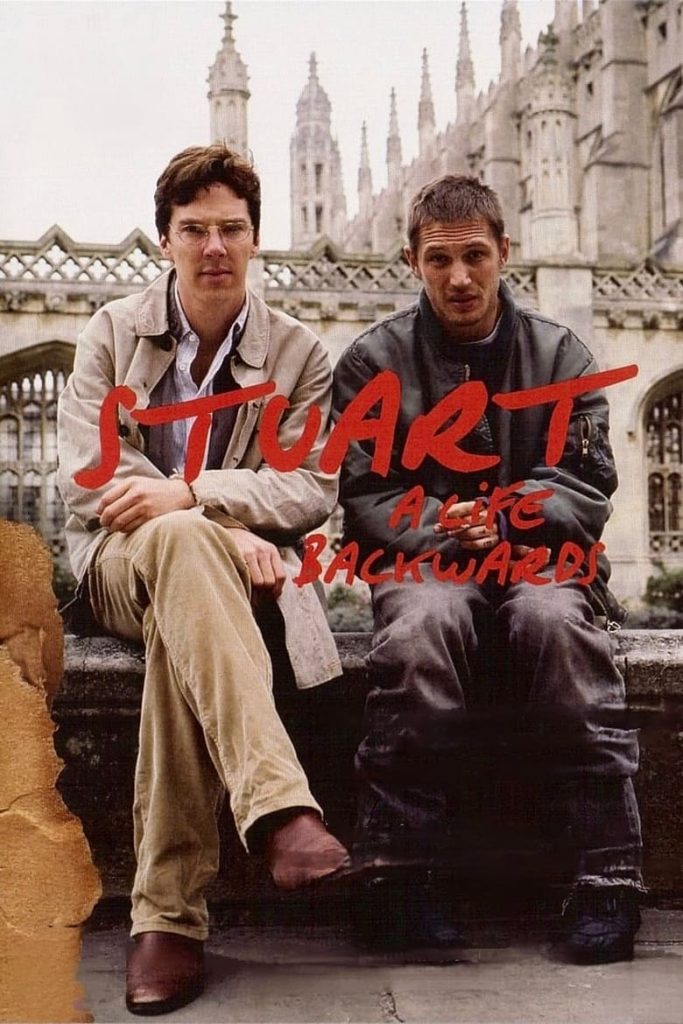
Stuart: A Life Backwards is a 2007 TV drama based on a true story. It follows the complex friendship between a writer and a homeless man named Stuart, who has experienced significant trauma and struggles with addiction. The film explores themes of homelessness, mental health, and societal issues through their interactions.
Parent Guide
Mature drama dealing with serious real-life issues including homelessness, addiction, and trauma. Requires parental guidance for older teens.
Content breakdown
References to past violence and dangerous situations, though not graphically depicted.
Themes of trauma, addiction, and homelessness may be emotionally disturbing.
May include strong language consistent with TV-MA rating.
Possible references to adult relationships but not explicit content.
Depictions or discussions of alcohol and drug use related to addiction themes.
High emotional content dealing with trauma, loss, and difficult life circumstances.
Parent tips
This TV-MA rated drama deals with mature themes including homelessness, addiction, and trauma, making it unsuitable for younger viewers. Parents should preview it first to assess its appropriateness for their teenagers, as it contains emotionally intense content that may require discussion. Consider watching together with older teens to provide context and support for the challenging topics presented.
Parent chat guide
Parent follow-up questions
- What does it mean to be a friend?
- How can we help people who need support?
- What are some kind things we can do for others?
- Why do you think Stuart had such a difficult life?
- How did the writer show he cared about Stuart?
- What does 'homeless' mean and how can communities help?
- What challenges do people facing homelessness experience beyond not having a home?
- How did Stuart's past affect his present life?
- What responsibilities do societies have toward vulnerable people?
- How does the film portray the complexity of helping someone with addiction and trauma?
- What systemic issues contribute to homelessness that the film highlights?
- How does the non-linear storytelling affect your understanding of Stuart's character?
🎭 Story Kernel
At its core, 'Stuart: A Life Backwards' explores the devastating impact of systemic failure on individual lives. The film's reverse chronological structure isn't just a narrative device—it's a philosophical statement about trauma. We don't see Stuart's life progress toward tragedy; we witness it rewind from tragedy to innocence, forcing us to confront how each institutional failure (prison system, mental health services, social services) contributed to his destruction. The driving force isn't Stuart's addiction or homelessness, but society's relentless inability to see him as human. Tom Hardy's Stuart isn't a 'homeless man' but a person systematically dehumanized by every system meant to protect him.
🎬 Visual Aesthetics
The film employs a deliberately deteriorating visual language that mirrors Stuart's mental state. Early scenes with Benedict Cumberbatch's writer character are crisp, well-lit, and orderly—representing the 'normal' world's perspective. As we move backward through Stuart's life, the cinematography becomes increasingly raw: handheld shots dominate, color palettes desaturate, and compositions feel more claustrophobic. The childhood scenes are ironically the most visually stable, shot with steadier cameras and warmer tones, creating heartbreaking contrast with the chaotic adulthood that follows. This isn't just aesthetic choice—it's visual trauma theory in practice.
🔍 Details & Easter Eggs
💡 Behind the Scenes
Tom Hardy prepared for the role by spending weeks with real homeless individuals in London, refusing to stay in hotels during filming. The reverse chronology required shooting completely out of sequence—Hardy had to portray Stuart's mental deterioration backward, starting with the most damaged version and working toward innocence. Director David Attwood insisted on using actual London locations where homelessness is prevalent rather than sets. Benedict Cumberbatch, playing writer Alexander Masters, worked closely with the real Masters, adopting his specific mannerisms of awkward sincerity when confronting privilege.
Where to watch
Choose region:
- HBO Max
Trailer
Trailer playback is unavailable in your region.