
Student Athlete (2018)
Story overview
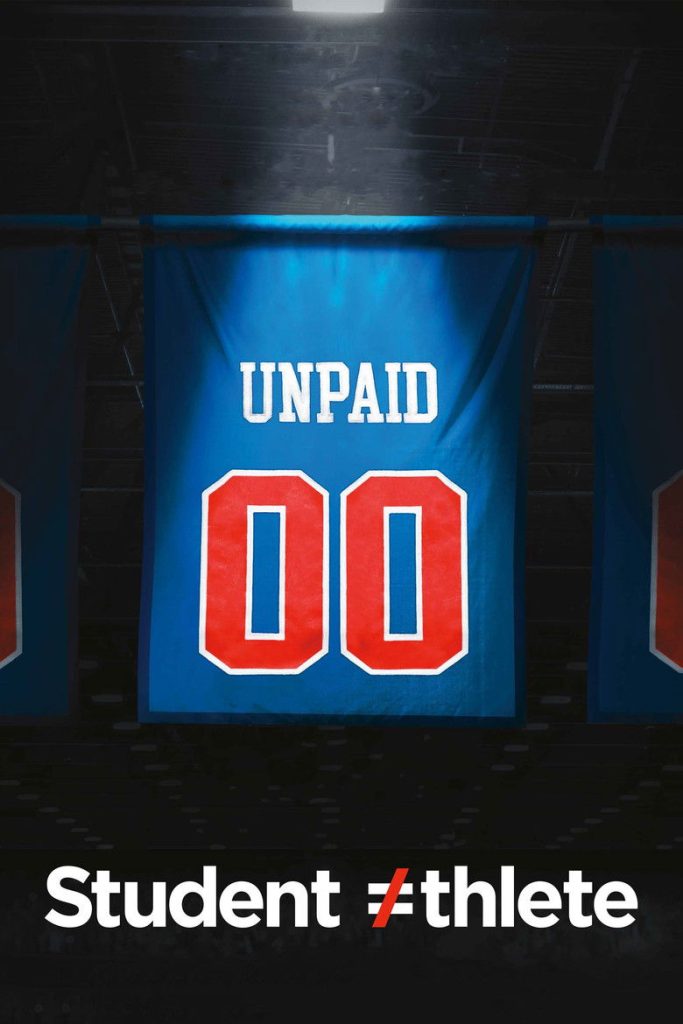
This documentary examines the business side of college sports, focusing on how universities profit from student athletes who often receive little compensation. It follows several young men at different points in their athletic journeys, highlighting the pressures they face and the systemic issues in collegiate athletics.
Parent Guide
Educational documentary about college sports economics with mature themes presented factually. Best for children old enough to understand concepts of fairness, business, and systemic issues.
Content breakdown
No physical violence or peril depicted. The 'peril' is economic and systemic rather than physical danger.
Some disturbing themes about exploitation and unfair treatment of young athletes, but presented through interviews and analysis rather than graphic content.
No offensive language noted in the documentary's TV-PG rating.
No sexual content or nudity.
No depiction of substance use.
Emotionally intense discussions about dreams, fairness, and economic realities for young athletes. Some frustration and disappointment expressed by subjects.
Parent tips
Watch together to discuss fairness, education priorities, and financial literacy. The film presents mature themes about exploitation and economic inequality in a factual manner suitable for older children.
Parent chat guide
Parent follow-up questions
—
- What do you think student athletes should get for playing sports?
- Why is going to school important for athletes?
- Do you think it's fair that colleges make money from athletes who don't get paid? Why?
- What would you do if you were offered a sports scholarship?
- How does this documentary change your view of college sports as a career path?
- What systemic changes would you propose to make college sports more equitable?
- How do race and socioeconomic factors play into the issues shown in the film?
🎭 Story Kernel
The film's core theme is the systemic exploitation of young Black athletes within the NCAA's amateurism model. It's not really about sports—it's about modern indentured servitude wrapped in the American Dream narrative. The documentary argues that these institutions profit massively from athletes' labor while denying them basic rights like fair compensation, healthcare for career-ending injuries, or ownership of their own likeness. The driving force for the athletes is survival and the slim hope of reaching professional leagues, while the universities are driven by profit, prestige, and maintaining a system that benefits them financially. The film reveals how the 'student-athlete' label was created specifically to avoid workers' compensation claims.
🎬 Visual Aesthetics
The visual language alternates between two distinct modes: glossy, cinematic sports footage that romanticizes the game, and stark, intimate interviews that reveal the human cost. The sports sequences use slow-motion, heroic angles, and vibrant colors that mirror how networks broadcast games—creating the very spectacle the film critiques. In contrast, the interview segments employ handheld cameras, neutral backgrounds, and natural lighting, creating raw vulnerability. This visual dichotomy intentionally mirrors the gap between public perception and private reality. The film frequently cuts from cheering crowds to isolated athletes dealing with injuries or financial struggles.
🔍 Details & Easter Eggs
💡 Behind the Scenes
The documentary features former NBA player turned activist Etan Thomas and includes interviews with athletes who became plaintiffs in landmark NCAA lawsuits. Director Trish Dalton spent three years gaining access to current and former players, many of whom risked their scholarships by participating. The film's release coincided with several states passing laws allowing college athletes to profit from their name, image, and likeness—a direct challenge to the NCAA model the documentary critiques. Several athletes interviewed had their footage used without compensation in NCAA promotional materials while they were still playing.
Where to watch
Choose region:
- HBO Max
- HBO Max Amazon Channel
- Google Play Movies
- YouTube
- Fandango At Home
- Apple TV Store
Trailer
Trailer playback is unavailable in your region.