
Sui Dhaaga – Made in India (2018)
Story overview
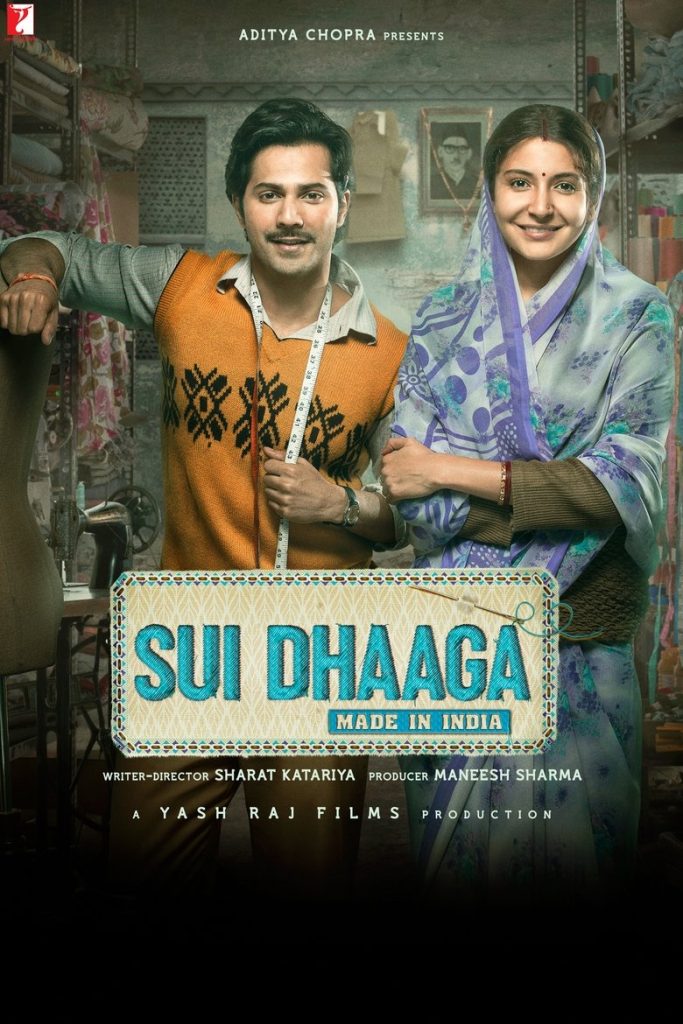
Sui Dhaaga - Made in India is a 2018 Indian comedy-drama film that follows the journey of a humble tailor and his wife as they pursue their dream of starting their own small-scale garment business. The story explores themes of entrepreneurship, family support, and overcoming social and economic challenges in rural India. With its heartwarming narrative, the film celebrates traditional craftsmanship and the spirit of self-reliance.
Parent Guide
A family-friendly film with positive messages about perseverance and entrepreneurship. Suitable for most children with parental guidance for younger viewers.
Content breakdown
No violence or physical peril depicted.
No scary or disturbing content.
No offensive language.
No sexual content or nudity.
No substance use depicted.
Some emotional moments related to business challenges and family dynamics, but handled gently.
Parent tips
This family-friendly film offers positive messages about perseverance, teamwork, and following one's dreams despite obstacles. Parents can use it to discuss the value of hard work, the importance of supporting family members, and how traditional skills can lead to modern success. The movie's uplifting tone makes it suitable for family viewing, though younger children might need help understanding some of the business challenges depicted.
Parent chat guide
Parent follow-up questions
- What was your favorite part of the movie?
- How did the characters help each other?
- What do you think the characters were making?
- Can you name something you like to make or create?
- How did the movie make you feel?
- What challenges did the main characters face in the story?
- How did they solve their problems?
- What does 'working together' mean in the movie?
- What skills did the characters use to make their business?
- Why is it important to keep trying when things are difficult?
- What does entrepreneurship mean based on this movie?
- How did family support help the characters achieve their goals?
- What social or economic challenges did the characters overcome?
- What traditional skills were shown in the film?
- How does this story relate to real-life small businesses?
- What does this film say about economic opportunities in rural communities?
- How does the movie portray gender roles in family businesses?
- What cultural values are emphasized through the characters' journey?
- How does the film balance traditional craftsmanship with modern business needs?
- What broader social messages about self-reliance does the story convey?
🎭 Story Kernel
At its core, 'Sui Dhaaga' is less about entrepreneurship and more about the quiet, painful assertion of dignity within a system designed to deny it. Mauji's journey isn't driven by capitalist ambition but by the desperate need to reclaim his self-worth after a lifetime of being treated as invisible. The film exposes how societal structures—from family hierarchies to exploitative middlemen—systematically crush individual agency. Mamta's character provides the crucial counterpoint: her quiet resilience and strategic intelligence highlight how patriarchy doubly burdens women, yet her support becomes the scaffolding for Mauji's rebellion. The real conflict isn't against the market but against internalized shame and the crushing weight of 'log kya kahenge' (what will people say).
🎬 Visual Aesthetics
Director Sharat Katariya employs a grounded, almost documentary-like visual style that roots the film in tactile reality. The camera often lingers on hands—Mauji's calloused fingers operating the sewing machine, Mamta's deft embroidery—making labor visible and sacred. The color palette shifts subtly: the muted browns and greys of their cramped village life gradually give way to slightly brighter tones as their confidence grows, though never becoming overly vibrant, maintaining authenticity. Key scenes use tight close-ups to capture micro-expressions of humiliation and determination, particularly on Varun Dhawan's face during public shaming moments. The sewing machine itself is framed almost as a character, its rhythmic clatter becoming the soundtrack to their struggle.
🔍 Details & Easter Eggs
💡 Behind the Scenes
Anushka Sharma, who co-produced the film, insisted on learning basic sewing and embroidery to authentically portray Mamta's skills, spending weeks with local artisans. The movie was shot in real locations across Chanderi and Maheshwar, known for traditional weaving, with many background actors being actual artisans. Varun Dhawan observed tailors in Delhi's crowded markets to capture Mauji's physicality, particularly the hunched posture and precise hand movements. The title 'Sui Dhaaga' (Needle and Thread) was chosen to emphasize the simplicity and universality of the tools, representing every small-scale artisan's story across India.
Where to watch
Choose region:
- Netflix
- Netflix Standard with Ads
- Apple TV
- Google Play Movies
- YouTube
Trailer
Trailer playback is unavailable in your region.