
Sunday Best: The Untold Story of Ed Sullivan (2023)
Story overview
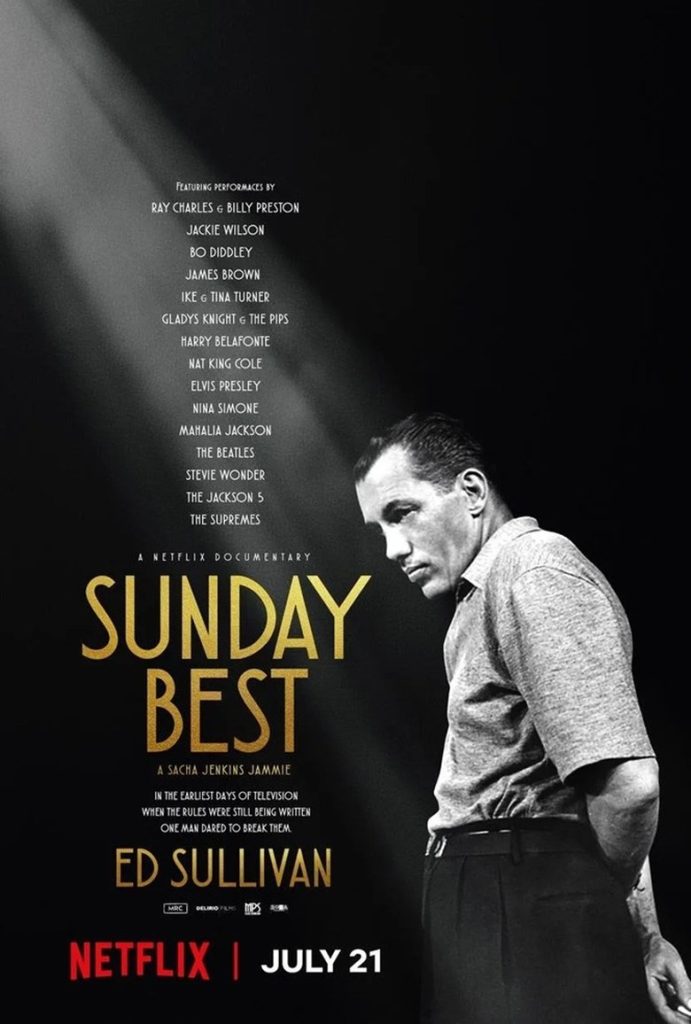
This documentary explores Ed Sullivan's groundbreaking role in American television history, focusing on how his Sunday night variety show provided a national platform for Black artists during a time of racial segregation. Through archival footage and interviews with musicians and cultural figures, it highlights Sullivan's commitment to diversity and equality in entertainment.
Parent Guide
Educational documentary about television history and racial equality with no concerning content. Suitable for family viewing with opportunities for meaningful discussion.
Content breakdown
No violence or peril depicted. The documentary discusses historical racial tensions but doesn't show violent events.
Nothing scary or disturbing. The tone is informative and celebratory of cultural achievements.
No offensive language. Interviews and narration use standard documentary language.
No sexual content or nudity. Performers are shown in typical stage attire.
No depiction of substance use. Historical footage shows performers in professional settings.
Some emotional moments when discussing racial barriers and the significance of representation, but handled in a thoughtful, educational manner.
Parent tips
This documentary offers a valuable opportunity to discuss civil rights history and media representation. Consider watching together and pausing to explain historical context. The content is educational and appropriate for most school-aged children, but younger viewers might need help understanding the significance of the racial barriers being discussed.
Parent chat guide
Parent follow-up questions
- Did you see any music or dancing you liked?
- What colors did you see in the show?
- What was your favorite performance in the documentary?
- Why do you think it was special that Ed Sullivan invited Black singers to his show?
- How do you think Ed Sullivan's show helped change people's attitudes about race?
- What might have happened if more TV shows had followed his example earlier?
- How does this historical context help us understand current discussions about representation in media?
- What parallels do you see between the barriers broken in the 1950s-60s and today's entertainment industry?
Where to watch
Choose region:
- Netflix
- Netflix Standard with Ads