
Swades (2004)
Story overview
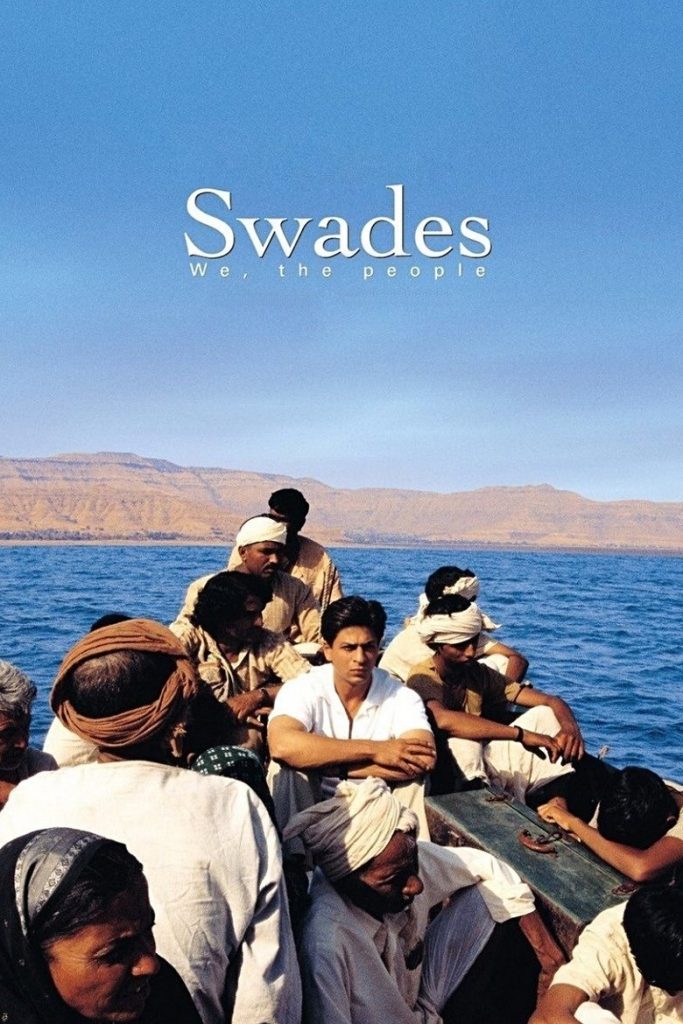
Swades is a 2004 Indian drama film that follows Mohan, a successful NASA scientist who returns to his homeland to find his childhood nanny. During his visit, he reconnects with his roots and witnesses the challenges faced by a rural village, sparking a journey of self-discovery and social responsibility. The film blends emotional storytelling with music to explore themes of identity, community, and the impact of one's choices on others.
Parent Guide
A wholesome drama with positive messages about community and self-discovery, suitable for family viewing.
Content breakdown
No violence or perilous situations are depicted.
Nothing scary or disturbing; themes are emotionally uplifting.
No offensive or strong language used.
No sexual content or nudity.
No substance use shown.
Mild emotional moments related to nostalgia, social issues, and personal growth.
Parent tips
Swades is a family-friendly drama that emphasizes positive values like empathy, cultural connection, and contributing to society. It contains no violence, strong language, or explicit content, making it suitable for most ages, though younger children might find the slower pace and emotional themes less engaging. Parents can use this film to discuss topics such as gratitude, the importance of helping others, and balancing personal success with community well-being.
Parent chat guide
Parent follow-up questions
- What did you like about the songs in the movie?
- How did Mohan help the people in the village?
- Can you name something nice someone did for another person in the story?
- Why do you think Mohan decided to visit India?
- What challenges did the village face, and how did they try to solve them?
- How did Mohan's feelings change during his trip?
- What does 'Swades' mean, and how does it relate to the movie's message?
- How does the film show the differences between life in America and rural India?
- What role does education play in helping the village improve?
- How does Mohan's internal conflict reflect broader themes of identity and duty?
- In what ways does the film critique or celebrate modern versus traditional lifestyles?
- What real-world issues does the movie highlight about rural development and globalization?
🎭 Story Kernel
Swades isn't just about an NRI returning home—it's a profound critique of the brain drain and the internalized colonialism that makes educated Indians see their homeland as 'backward.' Mohan's journey from a NASA project manager to a village problem-solver exposes how development work often requires shedding Western efficiency models for patient, community-based solutions. The film argues that true patriotism isn't symbolic flag-waving but the gritty, unglamorous work of fixing broken systems. What drives Mohan isn't nostalgia but the shame of realizing he's been solving America's problems while his own people lack electricity and clean water.
🎬 Visual Aesthetics
Cinematographer Mahesh Aney uses a documentary-like realism—handheld shots during village scenes, natural lighting that makes the sweat and dust palpable. The color palette shifts from the sterile blues and grays of NASA to the warm earth tones of rural India. Notice how wide shots emphasize Mohan's isolation in crowds initially, then gradually frame him as part of community groupings. The iconic train sequence uses rhythmic editing to mirror Mohan's internal turmoil, while the water pump scene's tight close-ups make the first drop of water feel like a seismic event.
🔍 Details & Easter Eggs
💡 Behind the Scenes
Shah Rukh Khan insisted on no makeup or styled hair to appear authentic, even growing a patchy beard. The village Charanpur was constructed from scratch near Panchgani, with artisans building traditional mud houses that were later donated to locals. Director Ashutosh Gowariker cast actual villagers alongside actors, and the iconic 'Yeh Tara Woh Tara' song was filmed in one continuous shot at night—a technical marvel requiring perfect coordination between Khan, the children, and the camera crew.
Where to watch
Choose region:
- Netflix
- Netflix Standard with Ads
- Apple TV
- Google Play Movies
- YouTube
Trailer
Trailer playback is unavailable in your region.