
Swan Song (2021)
Story overview
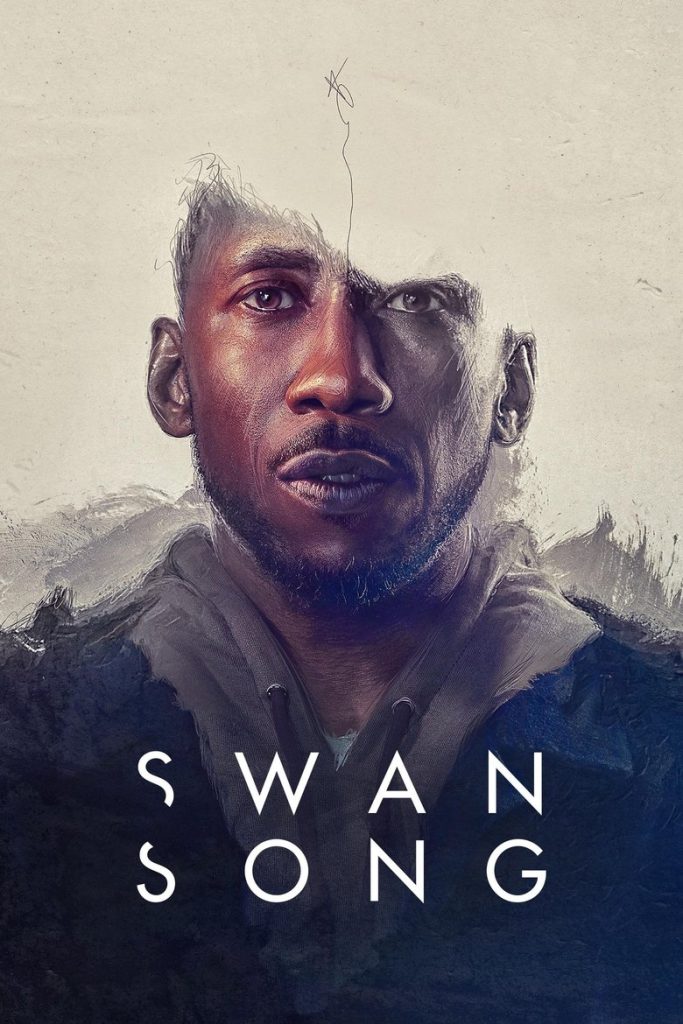
Swan Song is a 2021 science fiction drama about a terminally ill man who must decide whether to use an experimental technology to replace himself with a perfect clone for his family. The film explores themes of mortality, identity, and the ethical implications of advanced technology. It presents a thoughtful, emotional narrative set in a near-future world where such scientific breakthroughs are possible.
Parent Guide
A thoughtful science fiction drama exploring mature themes of mortality and identity through an ethical dilemma about cloning technology.
Content breakdown
No physical violence depicted. Some emotional peril related to terminal illness and difficult decisions.
Themes of death, terminal illness, and existential questions may be disturbing. The concept of being replaced by a clone could be unsettling.
Some strong language consistent with R-rating. Occasional profanity in emotional scenes.
No explicit sexual content. Some romantic elements and affection between married characters.
Social drinking in some scenes. No depiction of substance abuse.
High emotional intensity dealing with terminal illness, grief, family relationships, and existential questions about identity and mortality.
Parent tips
This R-rated film deals with mature themes of death, grief, and ethical dilemmas surrounding cloning technology. The emotional intensity may be challenging for younger viewers, as it centers on a man facing his own mortality and making difficult choices about his family's future. Parents should be prepared to discuss the film's philosophical questions about identity and what it means to be human.
Parent chat guide
Parent follow-up questions
- Did you see any happy families in the movie?
- What colors did you notice most in the movie?
- Was there any music you liked?
- Did you see any animals or pets?
- What was your favorite part to watch?
- How do you think the main character felt about being sick?
- What would you do if you could make a copy of yourself?
- Why do you think the man was thinking about his family so much?
- What makes someone special and unique?
- How do people show they care about each other in the movie?
- What are the pros and cons of the cloning technology in the film?
- How does the film make you think about what happens after someone dies?
- What responsibilities do we have to our families when we're facing difficult situations?
- How would you define what makes someone 'real' or 'authentic'?
- What ethical questions does the movie raise about science and technology?
- How does the film explore the tension between technological progress and human values?
- What commentary does the movie make about how society deals with death and grief?
- How does the concept of identity change when physical replication becomes possible?
- What philosophical questions about consciousness and existence does the film raise?
- How do the film's visual and narrative choices reinforce its themes about memory and legacy?
🎭 Story Kernel
At its core, 'Swan Song' explores the human desire to spare loved ones from pain, even at the cost of erasing one's own authentic existence. Cameron's decision to replace himself with a clone isn't about vanity or immortality, but about controlling the narrative of his death to maintain his family's idealized memory of him. The film questions whether a sanitized, pain-free continuation is more valuable than the messy, grieving truth of human connection. Cameron's gradual realization that his clone might actually be a better version—more present, more patient—forces him to confront whether he's protecting his family or simply avoiding his own inadequacies.
🎬 Visual Aesthetics
The film employs a sterile, minimalist aesthetic for the clone facility—all cool blues, whites, and sleek surfaces—contrasting sharply with the warm, textured, slightly imperfect world of Cameron's real family life. Director Benjamin Cleary uses precise symmetrical framing when showing both Cameron and his clone Jack, visually emphasizing their duality while highlighting subtle differences in posture and expression. The Oregon landscapes aren't just beautiful backdrop; their overwhelming natural grandeur makes Cameron's technological solution feel small and artificial. Cleary often shoots Mahershala Ali in tight close-ups, forcing us to sit with the minute emotional calculations happening behind his eyes.
🔍 Details & Easter Eggs
💡 Behind the Scenes
Mahershala Ali initially turned down the role, feeling the script was too similar to his work in 'Moonlight,' but director Benjamin Cleary convinced him by emphasizing the sci-fi elements. The clone facility scenes were shot in an actual decommissioned semiconductor cleanroom in Portland, Oregon, giving those sequences their authentically sterile, laboratory-like quality. Naomie Harris and Awkwafina shot all their scenes separately from Ali due to COVID-19 protocols, which ironically enhanced the film's themes of separation and artificial connection.
Where to watch
Choose region:
- Apple TV
- Apple TV Amazon Channel
Trailer
Trailer playback is unavailable in your region.