
Sweet Bobby: My Catfish Nightmare (2024)
Story overview
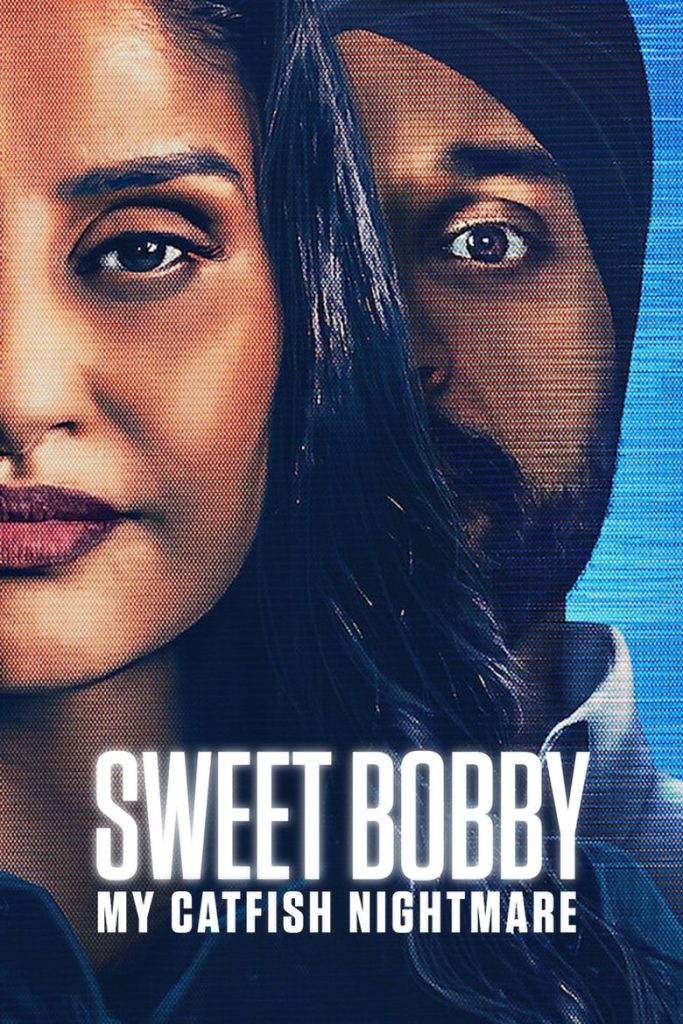
This documentary follows Kirat's experience of being catfished online, detailing how she developed a deep emotional connection with someone who turned out to be using a false identity, leading to years of deception and emotional turmoil.
Parent Guide
A documentary exploring the emotional and psychological impact of online deception, suitable for mature discussions about digital safety and relationship boundaries.
Content breakdown
No physical violence or peril depicted. The danger presented is emotional and psychological rather than physical.
The psychological manipulation and emotional betrayal may be disturbing to sensitive viewers. The revelation of the deception and its long-term impact could be unsettling.
May include occasional mild language related to emotional distress. No strong profanity expected in this documentary format.
No sexual content or nudity. The relationship discussed is emotional rather than physical.
No depiction of substance use.
High emotional intensity throughout as the documentary explores betrayal, deception, and the long-term psychological impact on the victim. Themes of trust violation and emotional manipulation are central.
Parent tips
Discuss online safety and the importance of verifying identities before forming deep connections. Emphasize critical thinking about information shared online and the emotional risks of virtual relationships. Consider watching together to facilitate conversations about digital literacy and emotional manipulation.
Parent chat guide
Parent follow-up questions
—
- What does it mean to be safe online?
- Why is it important to talk to trusted adults about people you meet on the internet?
- How can you tell if someone online might not be who they say they are?
- What are some ways to protect your feelings when talking to people on the internet?
- What psychological tactics might catfishers use to manipulate their victims?
- How can you balance openness in relationships with necessary caution in digital interactions?
- What support systems are important when dealing with emotional deception?
🎭 Story Kernel
At its core, the documentary is a harrowing exploration of psychological warfare and the weaponization of empathy within the digital age. It transcends the typical 'catfish' narrative by detailing a decade-long siege on Kirat Assi’s reality, orchestrated not by a stranger, but by a trusted relative. The film examines the mechanics of coercive control, illustrating how a sophisticated web of over sixty fictional personas can create a self-sustaining ecosystem of deception. It is less about a romantic scam and more about the systematic erasure of a woman’s autonomy and social life. By focusing on the profound betrayal of trust within a close-knit community, the narrative exposes the terrifying ease with which technology can be used to gaslight an individual into a state of total emotional dependency and isolation.
🎬 Visual Aesthetics
Lyttanya Shannon employs a claustrophobic visual language to mirror Kirat’s decade of entrapment. The cinematography utilizes tight framing during interviews, capturing the lingering trauma in Assi’s expressions. This is contrasted with the cold, sterile aesthetic of digital reconstructions—scrolling Facebook feeds, low-resolution profile pictures, and relentless chat bubbles that serve as the primary artifacts of this virtual prison. The use of blurred, impressionistic reenactments avoids the melodrama of typical true-crime recreations, instead focusing on the sensory overload of constant digital notification. The lighting often shifts from the warm, domestic safety of Kirat’s home to the harsh, blue light of screens, symbolizing the encroachment of the fabrication into her physical world. This visual dichotomy effectively communicates the blurring lines between a lived life and a manufactured digital nightmare.
🔍 Details & Easter Eggs
💡 Behind the Scenes
The documentary is an adaptation of the highly successful 2021 podcast of the same name produced by Tortoise Media and hosted by Alexi Mostrous. Director Lyttanya Shannon spent significant time with Kirat Assi to ensure the film prioritized the victim's psychological journey over the sensationalism of the 'reveal.' Interestingly, the perpetrator, Simran Bhogal, declined to be interviewed for the project, providing only a brief legal statement. This absence leaves a haunting void in the film, emphasizing the lack of closure and the limitations of the UK legal system in addressing non-financial digital stalking and coercive control at the time of the events.
Where to watch
Choose region:
- Netflix
- Netflix Standard with Ads
Trailer
Trailer playback is unavailable in your region.