
Sweet & Sour (2021)
Story overview
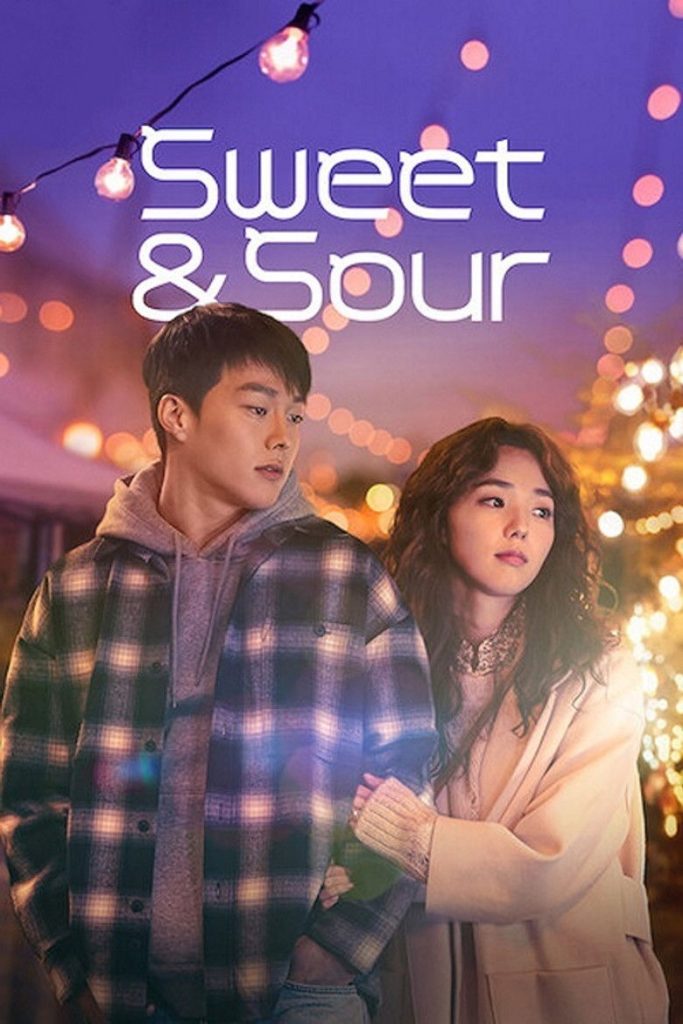
Sweet & Sour is a 2021 drama-romance-comedy film that explores the complexities of modern relationships. The story follows characters navigating the ups and downs of love, work, and personal growth. With its TV-14 rating, it presents mature themes in an accessible way, blending emotional moments with lighthearted comedy.
Parent Guide
A relationship drama with mature themes suitable for teens with parental guidance.
Content breakdown
No physical violence depicted.
Some emotional tension in relationship conflicts.
May contain mild language consistent with TV-14 rating.
Romantic themes and situations, but no explicit content.
No substance use depicted.
Deals with relationship conflicts and emotional growth.
Parent tips
This film deals with relationship dynamics and adult themes that may require parental guidance for younger viewers. The TV-14 rating suggests content may be unsuitable for children under 14 without supervision. Consider watching together to discuss the realistic portrayal of romantic relationships and workplace challenges presented in the story.
Parent chat guide
Parent follow-up questions
- What was your favorite part of the movie?
- How did the characters show they cared about each other?
- What made you laugh in the story?
- What colors or music did you like best?
- How would you help friends who were having a disagreement?
- How did the characters solve their problems?
- What did you learn about how people communicate in relationships?
- Which character would you want as a friend and why?
- What does 'sweet and sour' mean in relationships?
- How did the characters show they were growing or changing?
- What realistic challenges did the characters face in their relationships?
- How did work life affect the characters' personal lives?
- What healthy communication strategies did you notice?
- How did the characters balance their own needs with others' needs?
- What lessons about friendship and romance could you take from this story?
- How does this film portray the evolution of relationships over time?
- What insights does it offer about modern dating and workplace dynamics?
- How do the characters demonstrate emotional maturity or lack thereof?
- What commentary does the film make about contemporary relationship expectations?
- How might different generations interpret the characters' choices differently?
🎭 Story Kernel
The film's core isn't about love versus career, but about how modern relationships become transactional when partners stop seeing each other as people. Jang-hyuk and Da-eun's relationship deteriorates not from infidelity or dramatic fights, but from the slow erosion of shared experience. Their conversations become logistical updates, their intimacy scheduled like meetings. Bo-yeong represents not just temptation, but the seduction of being seen as interesting again. The film argues that in our hyper-connected world, true disconnection happens when we stop investing curiosity in our partners, reducing them to predictable variables in our life equations.
🎬 Visual Aesthetics
The visual language mirrors the emotional distance through deliberate framing. Early scenes feature warm, intimate close-ups that gradually give way to wide shots with physical barriers between characters. The hospital where Jang-hyuk works is sterile and blue-toned, while Da-eun's office is warmer but equally isolating. Notice how conversations happen through screens—phones, computers, car windows—creating literal barriers. The color palette shifts from the vibrant oranges and reds of their early romance to the cool blues and grays of their separation. Even the food symbolism evolves: shared meals become individual takeout containers eaten alone.
🔍 Details & Easter Eggs
💡 Behind the Scenes
Director Lee Gye-byeok intentionally cast actors with natural chemistry—Jang Ki-yong and Chae Soo-bin had previously worked together in 'The Guardians.' The hospital scenes were filmed at an actual Seoul hospital during off-hours. The production used different aspect ratios subtly: wider for work scenes, more square for intimate moments. Interestingly, the script originally had a more dramatic confrontation but was rewritten to emphasize the quiet deterioration that characterizes modern relationship endings.
Where to watch
Choose region:
- Netflix
- Netflix Standard with Ads
Trailer
Trailer playback is unavailable in your region.