
Take Care of Maya (2023)
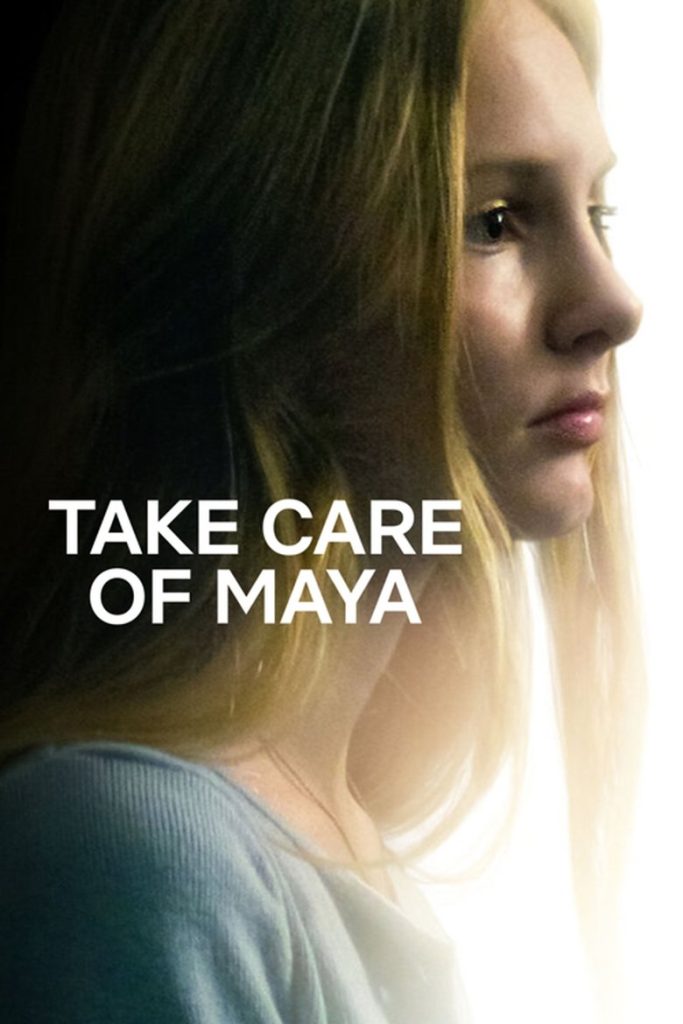
Story overview
Take Care of Maya is a 2023 documentary that follows the harrowing true story of the Kowalski family. When 10-year-old Maya visits the emergency room with unexplained symptoms, her parents Jack and Beata are wrongfully accused of child abuse. The film documents the family's legal and emotional nightmare as they fight to prove their innocence and reunite with their daughter, exploring themes of medical ethics, parental rights, and systemic failures.
Parent Guide
A documentary about a family's traumatic experience with wrongful accusations of child abuse. While not visually graphic, the emotional content and themes of family separation make it most appropriate for mature pre-teens and teenagers who can process complex real-world issues.
Content breakdown
No physical violence depicted. The peril is emotional and legal - a child being separated from parents and parents facing potential criminal charges. Some tense courtroom scenes and emotional confrontations.
The central premise of a child being taken from loving parents is inherently disturbing. Scenes of family separation, emotional distress, and the bureaucratic nightmare may upset sensitive viewers. Medical settings and legal proceedings create anxiety.
Occasional mild language related to frustration or emotional distress. No strong profanity. Legal and medical terminology throughout.
No sexual content or nudity.
No depiction of substance use.
High emotional intensity throughout. Parents' desperation, child's confusion and fear, family separation trauma, and legal battles create sustained emotional weight. Real footage and interviews amplify the impact.
Parent tips
This documentary deals with intense real-life situations involving child welfare systems and medical trauma. While there's no graphic violence or explicit content, the emotional weight is significant. Watch with children 12+ to discuss the complex themes. Younger children may find the legal separation of a child from parents distressing. Consider previewing to gauge your child's readiness for discussions about injustice and medical systems.
Parent chat guide
Parent follow-up questions
- How would you feel if you couldn't see your mom and dad for a long time?
- What do you think Maya missed most about her family?
- Who are the people who help keep children safe?
- Why do you think the doctors thought Maya's parents were hurting her?
- What would you do if you thought someone was making a mistake about your family?
- How do you think Maya felt when she was away from her parents?
- What systems are in place to protect children, and how can they sometimes fail?
- How might this situation have been handled differently by the hospital or child services?
- What does this documentary teach us about believing people's stories?
- What ethical responsibilities do medical professionals have when suspecting abuse?
- How does this case reflect broader issues in child welfare systems?
- What legal protections should exist for families in similar situations?
🎭 Story Kernel
The film serves as a harrowing exploration of systemic failure within the American medical and child welfare apparatus. At its core, it examines the phenomenon of 'medical kidnapping,' where parental advocacy is misdiagnosed as Munchausen syndrome by proxy. By chronicling the Kowalski family’s ordeal at Johns Hopkins All Children’s Hospital, the narrative exposes how bureaucratic rigidity can dismantle a family unit with clinical precision. It is a profound meditation on the fragility of parental rights when confronted by state-sanctioned authority. The story transcends a simple medical mystery, evolving into a tragic indictment of a system that prioritizes liability and protocol over the nuanced reality of rare chronic illnesses like Complex Regional Pain Syndrome, ultimately leading to the devastating suicide of Maya’s mother, Beata.
🎬 Visual Aesthetics
Director Henry Roosevelt employs a stark visual contrast to mirror the family's psychological descent. The warmth of grainy, handheld home movies—depicting a vibrant Maya before her illness—is jarringly interrupted by the cold, fluorescent lighting and sterile geometry of hospital interiors. This aesthetic shift emphasizes the loss of domestic intimacy to institutional control. The cinematography frequently utilizes tight, claustrophobic framing during interviews, capturing the raw, lingering trauma on the faces of Maya and her father, Jack. Furthermore, the visual integration of redacted legal documents and medical charts functions as a recurring motif of bureaucratic obfuscation. The film’s pacing is punctuated by haunting archival audio, allowing Beata’s voice to permeate the narrative, creating a spectral presence that underscores the permanent void left by the hospital's intervention.
🔍 Details & Easter Eggs
💡 Behind the Scenes
The documentary gained significant traction following its Netflix debut, coinciding with the Kowalski family's actual civil trial against Johns Hopkins All Children's Hospital. In a historic verdict delivered in November 2023, a Florida jury awarded the family $261 million in damages, finding the hospital liable for kidnapping, battery, and causing the emotional distress that led to Beata Kowalski's death. Director Henry Roosevelt’s commitment to the project involved navigating thousands of pages of court records and medical files. The film’s release is credited with bringing international attention to the complexities of CRPS and the legal vulnerabilities of parents facing medical allegations.
Where to watch
Choose region:
- Netflix
- Netflix Standard with Ads
Trailer
Trailer playback is unavailable in your region.