
Take Out (2008)
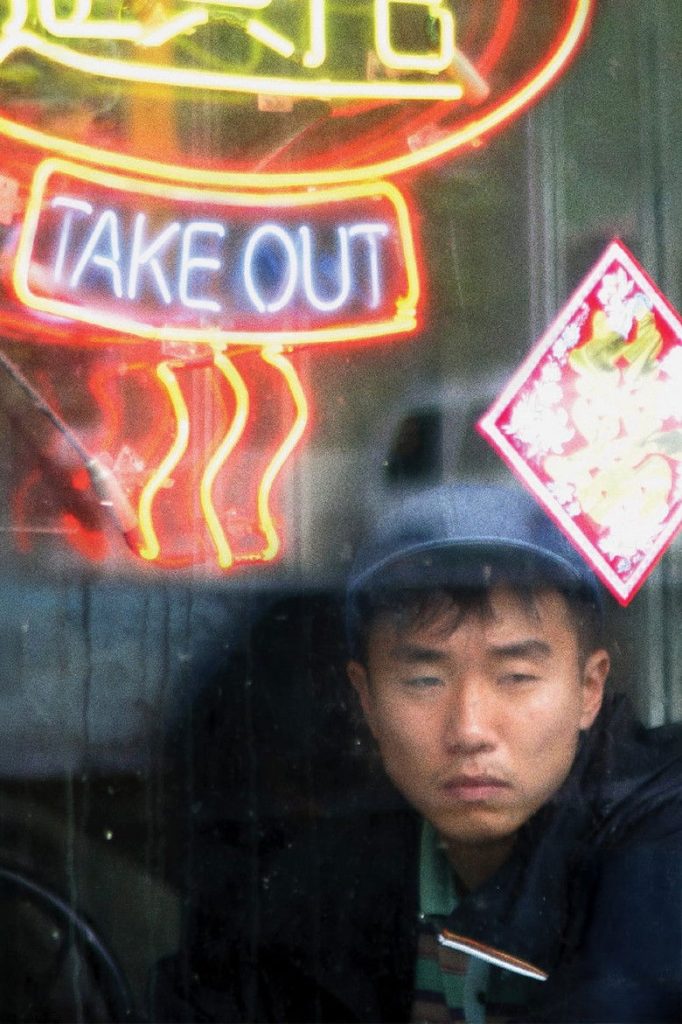
Story overview
Take Out (2008) is a drama following Ming Ding, an illegal Chinese immigrant in New York City who must raise a large sum of money by the end of the day to pay off a smuggling debt. The film realistically portrays his stressful experiences as a delivery worker, highlighting themes of immigration, economic struggle, and survival under pressure.
Parent Guide
A realistic drama about immigration struggles with moderate emotional intensity but minimal objectionable content. Suitable for mature viewers who can handle thematic weight.
Content breakdown
No physical violence shown. Some tense situations involving debt collectors and the threat of consequences if money isn't paid. Psychological pressure is the primary source of peril.
The constant stress and anxiety of the main character's situation creates a tense atmosphere. Scenes of urban isolation and economic desperation may be unsettling to sensitive viewers.
No strong language noted. Dialogue is primarily in Mandarin Chinese with English subtitles.
No sexual content or nudity present.
No substance use shown.
High-stress situation creates sustained tension. Themes of desperation, isolation, and economic struggle are emotionally weighty. The realistic portrayal of immigrant hardship adds emotional depth.
Parent tips
This film deals with mature themes of illegal immigration, debt, and survival stress. It contains no graphic violence, strong language, or sexual content, but the emotional intensity and realistic portrayal of hardship may be too heavy for younger children. Best suited for mature pre-teens and teens who can discuss immigration issues.
Parent chat guide
Parent follow-up questions
—
—
- What did you notice about Ming's job? How would you feel if you had to work like that?
- Why do you think people might come to a new country without permission?
- How does the film challenge common stereotypes about immigrants? What systemic issues contribute to Ming's situation?
- Discuss the moral ambiguity - is Ming a victim, or responsible for his choices? How does the film handle this complexity?
🎭 Story Kernel
At its core, 'Take Out' is a raw examination of economic desperation and immigrant invisibility in America. The film follows Ming Ding, a Chinese immigrant deliveryman in New York City, who must repay a $800 debt by the end of a single day. What drives him isn't just survival, but the crushing weight of obligation—to loan sharks, to family back home, and to a system that treats him as disposable labor. The movie exposes how capitalism grinds individuals into transactional units, where human connection becomes secondary to monetary exchange. Ming's journey through rain-soaked streets becomes a metaphor for the immigrant experience: relentless, isolating, and defined by others' demands.
🎬 Visual Aesthetics
Directors Sean Baker and Shih-Ching Tsou employ a gritty, vérité style that feels almost documentary-like. The handheld camera follows Ming closely, creating claustrophobic intimacy as he navigates cramped apartments and bustling streets. The color palette is dominated by grays and muted tones, reflecting the bleakness of his reality, with occasional bursts of neon from restaurant signs or apartment interiors highlighting the artificial glow of urban life. Long takes during delivery sequences emphasize the monotony and physical exhaustion of his work. The rain throughout the film isn't just weather—it's a visual manifestation of his unrelenting struggle, washing away any semblance of comfort.
🔍 Details & Easter Eggs
💡 Behind the Scenes
The film was shot on a micro-budget of $3,000 using consumer-grade MiniDV cameras, with many scenes improvised around actual New York City locations. Co-director Shih-Ching Tsou also served as cinematographer and sound recorder, often working with non-professional actors to maintain authenticity. Lead actor Charles Jang was a restaurant worker himself at the time, bringing firsthand experience to his portrayal. The production faced numerous challenges, including shooting without permits in real apartments and streets, which contributed to the film's raw, immediate quality that would later define Sean Baker's filmmaking style.
Where to watch
Choose region:
- HBO Max
- HBO Max Amazon Channel
- Criterion Channel
- Amazon Video
- Apple TV Store
- Fandango At Home
Trailer
Trailer playback is unavailable in your region.