
Tallulah (2016)
Story overview
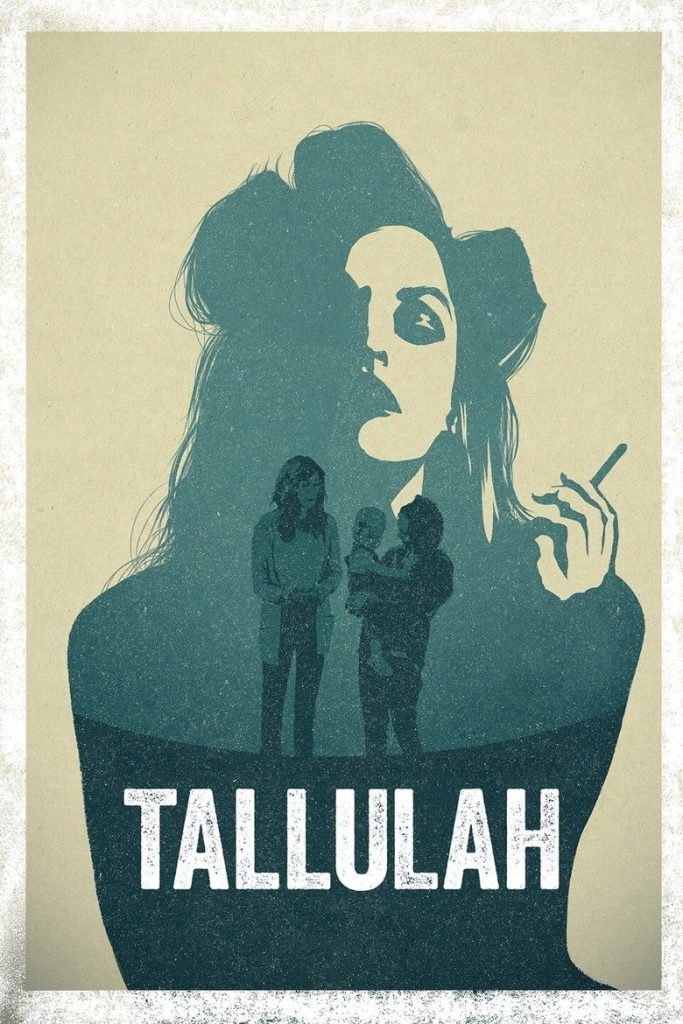
Tallulah is a 2016 drama-comedy about a young woman who, while living in her van, impulsively takes a toddler from a neglectful Beverly Hills mother during a chaotic babysitting situation. The film explores themes of motherhood, responsibility, and unconventional family bonds as she forms a connection with the child and the child's grandmother, leading to emotional and moral dilemmas.
Parent Guide
A thoughtful drama-comedy about motherhood and responsibility with mature themes but minimal objectionable content. Best for mature tweens and teens who can handle emotional complexity.
Content breakdown
No physical violence. Some tense situations involving child endangerment/neglect (a toddler left unattended, chaotic scenes with a distressed child). Mild peril when characters make questionable decisions that could put the child at risk.
Emotionally intense scenes of child neglect and parental irresponsibility. Some viewers may find the depiction of inadequate caregiving disturbing. No horror elements or jump scares.
Occasional mild profanity (words like 'hell', 'damn', 'ass'). No strong or frequent swearing.
Brief references to sexual relationships and infidelity. No explicit sexual scenes or nudity. Some kissing and romantic situations.
Social drinking shown in some scenes. Characters drink wine at parties and in social settings. No drunkenness or substance abuse depicted.
Significant emotional themes around motherhood, abandonment, and responsibility. Characters experience guilt, anxiety, and moral dilemmas. Some tense family confrontations and emotional revelations.
Parent tips
This film deals with mature themes including child neglect, parental irresponsibility, and complex family dynamics. While there's no graphic violence or explicit content, the emotional intensity and situations may be challenging for younger viewers. Best suited for mature tweens and teens who can discuss the ethical questions raised. Watch with your child to talk about the characters' choices and consequences.
Parent chat guide
Parent follow-up questions
—
- What did you notice about how the grown-ups took care of the baby?
- How did Tallulah try to help the little girl?
- What are some ways we keep children safe in our family?
- Why do you think Tallulah made the choice she did? Was it right or wrong?
- How did the different adults in the film show responsibility?
- What did you think about how the film mixed serious topics with funny moments?
- What ethical dilemmas did the film present about motherhood and responsibility?
- How did the film portray different types of family structures and caregiving?
- What commentary did the film make about social class and parenting? How realistic were the characters' choices and consequences?
🎭 Story Kernel
At its core, 'Tallulah' explores the messy, often arbitrary nature of motherhood and who society deems 'worthy' of caring for children. The film isn't about Tallulah's kidnapping of Madison's baby being justified, but about the systemic failures and emotional voids that drive such desperate acts. Tallulah, a rootless drifter, and Margo, a wealthy but neglected wife, are both failed by traditional support structures—family, marriage, social services. Their collision reveals how motherhood is less an innate biological state and more a role filled by whoever steps up, however imperfectly. The film critiques how class and stability are often mistaken for parental competence, while genuine care can emerge from the most chaotic circumstances.
🎬 Visual Aesthetics
The cinematography employs a naturalistic, handheld aesthetic that creates intimacy with characters' emotional turmoil. Warm, muted tones in Margo's sterile apartment contrast with the cooler, grittier palette of Tallulah's transient world, visually emphasizing their class divide. Director Sian Heder uses tight close-ups during moments of vulnerability—like Tallulah feeding the baby or Margo's breakdown—to force viewers into their emotional space. The camera often lingers on mundane details: a half-empty wine glass, a messy car, a baby's grasping hand, grounding the high-stakes drama in tangible reality. This visual language rejects glamour, instead finding beauty and tension in the imperfect, lived-in spaces where these women's lives unravel and intersect.
🔍 Details & Easter Eggs
💡 Behind the Scenes
Elliot Page (credited as Ellen Page at the time) was so drawn to the script that she personally contacted writer-director Sian Heder to express her interest in playing Tallulah. The film was shot on location in New York City, with many scenes filmed in real apartments to enhance authenticity. Allison Janney, who plays Margo, based her performance on observations of wealthy, lonely women in Manhattan, noting their particular brand of polished desperation. The baby in the film was played by twins, a common practice to comply with child labor laws, with their mother always on set. Director Sian Heder drew from her experiences as a mother and her earlier short film 'Mother' to explore the complexities of caregiving.
Where to watch
Choose region:
- Netflix
- Netflix Standard with Ads
Trailer
Trailer playback is unavailable in your region.