
Tampopo (1985)
Story overview
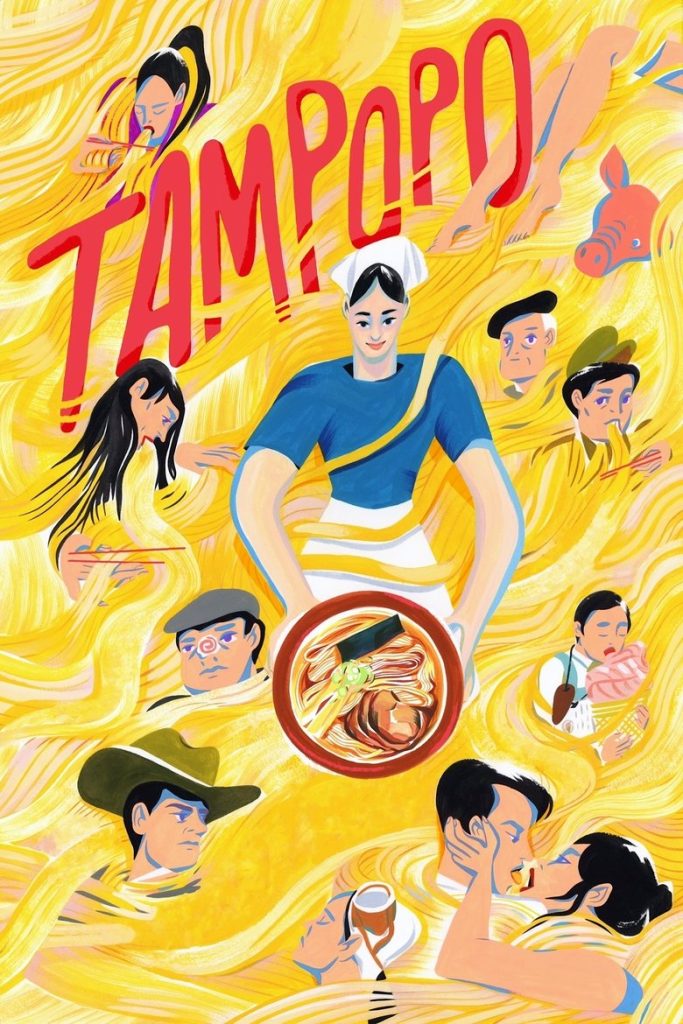
Tampopo is a 1985 Japanese comedy that playfully celebrates food culture through interconnected stories. The main plot follows a truck driver who helps a widow transform her struggling ramen shop into a culinary success. Throughout the film, humorous vignettes explore how food connects to various aspects of human experience, from romance to business to family life.
Parent Guide
A humorous celebration of food culture with some mature content. Best for teens with parental guidance due to brief sexual scenes. The film's focus on culinary passion and Japanese culture provides educational value.
Content breakdown
Minor comedic violence including a brief food fight and some competitive cooking tension. No serious peril or graphic violence.
No scary or disturbing content. The tone is consistently light and humorous throughout.
Minimal strong language. Some mild Japanese expressions that don't translate as offensive. English subtitles are generally family-friendly.
Contains brief sexual scenes including a sensual food scene and partial nudity. One vignette features a couple using food in a sexual context. Not graphic but clearly adult-oriented.
Social drinking in restaurant scenes. Adults are shown drinking beer and sake in moderation. No drunkenness or substance abuse.
Light emotional moments related to food passion and personal growth. Some competitive tension but overall uplifting tone.
Parent tips
This film contains brief sexual content and nudity that may not be suitable for younger children. The overall tone is lighthearted and food-focused, but parents should preview or watch with children ages 8+ to discuss cultural differences and the film's mature elements. The Japanese cultural context provides good discussion opportunities about food traditions.
Parent chat guide
Parent follow-up questions
- Did you see any yummy food in the movie?
- What was your favorite part about the noodles?
- Why do you think Tampopo wanted to make better ramen?
- What makes someone good at cooking in the movie?
- How do the different food stories connect to each other?
- What does the film say about trying your best at something?
- How does the film use food as a metaphor for different human experiences?
- What cultural differences did you notice in how food is treated compared to Western films?
🎭 Story Kernel
At its core, 'Tampopo' uses the quest for perfect ramen as a vehicle to explore how passion and dedication can transform ordinary lives. The film isn't really about noodles—it's about finding purpose through mastery. Tampopo's journey from struggling widow to confident restaurateur mirrors the film's broader meditation on how we define ourselves through what we create. The truck drivers who become her mentors aren't just teaching cooking techniques; they're showing how to live with intention. Every character, from the ramen master to the gangster with food fetishes, demonstrates how our relationship with food reflects our relationship with life itself.
🎬 Visual Aesthetics
Juzo Itami's camera treats food with the reverence of a religious icon—extreme close-ups of bubbling broth and glistening noodles create culinary pornography. The film's visual language borrows from Westerns (wide shots of the 'ramen showdown'), silent film comedy (exaggerated facial reactions), and documentary realism. The color palette shifts from the warm, inviting tones of the ramen shop to the sterile whites of corporate offices, visually contrasting authentic passion with soulless efficiency. Each frame feels carefully composed yet spontaneous, mirroring the balance Tampopo seeks in her broth.
🔍 Details & Easter Eggs
💡 Behind the Scenes
Director Juzo Itami originally planned to make a documentary about ramen but found real shops too camera-shy, so he created this fictional tribute instead. The famous ramen-eating lesson scene required 60 takes to perfect the synchronized slurping. Lead actress Nobuko Miyamoto (Tampopo) was Itami's wife and frequent collaborator—their creative partnership produced many of Japan's most beloved social satires until his controversial death in 1997. The film's title translates to 'dandelion,' representing both the heroine's name and her resilient, spreading influence.
Where to watch
Choose region:
- HBO Max
- HBO Max Amazon Channel
- Criterion Channel
- Apple TV Store
- Google Play Movies
- YouTube
- Fandango At Home
Trailer
Trailer playback is unavailable in your region.